
具体描述
Did you know—
• It took more than an iceberg to sink the Titanic.
• The Challenger disaster was predicted.
• Unbreakable glass dinnerware had its origin in railroad lanterns.
• A football team cannot lose momentum.
• Mercury thermometers are prohibited on airplanes for a crucial reason.
• Kryptonite bicycle locks are easily broken.
“Things fall apart” is more than a poetic insight—it is a fundamental property of the physical world. Why Things Break explores the fascinating question of what holds things together (for a while), what breaks them apart, and why the answers have a direct bearing on our everyday lives.
When Mark Eberhart was growing up in the 1960s, he learned that splitting an atom leads to a terrible explosion—which prompted him to worry that when he cut into a stick of butter, he would inadvertently unleash a nuclear cataclysm. Years later, as a chemistry professor, he remembered this childhood fear when he began to ponder the fact that we know more about how to split an atom than we do about how a pane of glass breaks.
In Why Things Break , Eberhart leads us on a remarkable and entertaining exploration of all the cracks, clefts, fissures, and faults examined in the field of materials science and the many astonishing discoveries that have been made about everything from the explosion of the space shuttle Challenger to the crashing of your hard drive. Understanding why things break is crucial to modern life on every level, from personal safety to macroeconomics, but as Eberhart reveals here, it is also an area of cutting-edge science that is as provocative as it is illuminating.
“An engaging personal account not just of the physics and chemistry of materials but of the ethics, economics, and politics of innovation, with delightful bonuses on topics from the origins of ‘ghostly’ noises in old houses to the amazing coevolution of armor and armor-piercing projectiles. If it ain’t broke, Mark Eberhart can tell you why—and explain equally well why a shatterproof world remains beyond our reach.”
—Edward Tenner, author of Our Own Devices and Why Things Bite Back
“I don’t remember a book that has taught me so much, nor previously encountering a teacher like the marvelous Mark Eberhart, who in Why Things Break provides enlightening and thoroughly captivating scientific explanations of subjects ranging from the structural failures leading to the sinking of the Titanic to everyday, no-less-fascinating topics such as the reason why, even at the same temperature, winter days always seem so much colder in Boston than in Denver.”—Richard Restak, M.D., author of Mozart’s Brain and The Fighter Pilot
“Eberhart brings his insights to the reader by weaving personal anecdotes—from his childhood fear that cutting a stick of butter would release the energy of the atoms within to his arrival in Boston for an interview with MIT without a suitable winter coat—into a fascinating discussion of the forces that hold atoms and molecules together. A lively, unvarnished look at chemistry on the cutting edge.”
—Kirkus Reviews
作者简介
目录信息
读后感
用户评价
阅读这本关于“破碎”的书,奇妙地带来了一种强烈的“完整感”。作者的论证逻辑犹如瑞士钟表般精确,环环相扣,没有一丝多余的叙述。他构建了一个宏大而严密的框架,用于解释从微观的分子键断裂到宏观的社会结构瓦解之间的内在联系。我尤其欣赏作者在处理不确定性时的严谨态度,他从未给出过绝对的保证或简单的解决方案,而是着重强调了“概率分布”和“风险管理”的重要性。这本书的行文风格非常内敛,用词精准,充满了数学般的美感,却又避免了学术论文的枯燥。每当涉及到关键的理论节点时,作者都会用一个简洁、富有画面感的日常场景来佐证,这种方式极大地增强了理论的可接受性和说服力。它教会我的并非如何去“阻止”破碎的发生——因为那是徒劳的抗争——而是如何去“理解”破碎的发生机制,从而更好地在破碎来临时,做出更明智的响应。这是一本属于那些愿意深入探究事物本质,而非满足于表面现象的读者的宝典。
评分这是一本需要反复咀嚼才能体会其精妙之处的书。它的文字密度极高,不像那些为了迎合大众而写得轻飘飘的科普读物,它要求读者保持高度的专注。我发现自己不得不频繁地停下来,查阅一些背景知识,以确保完全领会作者对“临界点理论”的阐述。书中对于“系统性风险”的剖析尤其尖锐,作者没有把故障仅仅归咎于某个单一的缺陷部件,而是深入挖掘了不同子系统之间相互依赖的复杂网络如何酝酿出“黑天鹅”式的灾难性失效。例如,书中对大型基础设施的分析,揭示了在追求效率最大化的过程中,我们是如何无意中削弱了系统的弹性。阅读体验是挑战性的,但回报是巨大的。它彻底颠覆了我对“可靠性”的肤浅认知。可靠性不再是零缺陷的代名词,而是关于一个系统在面对不可避免的冲击时,其“恢复力”和“降级模式”的设计艺术。这本书的价值在于,它强迫读者跳出日常的修补思维,转而从宏观的、演化的角度去看待物质世界的衰亡过程,其深度令人敬佩。
评分老实说,我拿起这本书时,心里是抱着极大的怀疑态度的,毕竟“事物为何失效”这个主题听起来过于宽泛,很容易流于表面化或者陷入晦涩难懂的物理化学公式。但出乎意料的是,作者展现了一种惊人的叙事能力,他不是在教我们如何修理东西,而是在引导我们思考“故障的必然性”在人类文明中的位置。整本书的叙述节奏张弛有度,时而像侦探小说一样,抽丝剥茧地还原一个复杂机械故障的“案发现场”,时而又回归到社会学层面,探讨我们这个“一次性消费文化”是如何加速了这种“失效的循环”。我特别喜欢其中对于“材料疲劳”的类比,作者将其比喻成人类的心理创伤,那些微小的、累积的压力最终会导致某一个看似微不足道的瞬间发生不可逆转的断裂。这种将无机物与有机体进行对比的笔法,赋予了冰冷的科学概念以温暖的人性温度。读完后,我感觉自己好像完成了一次关于“接受不完美”的心灵洗礼。它没有提供任何快速修复的“秘诀”,反而鼓励读者去接受——损坏,是系统复杂性带来的必然副产品,也是推动创新和适应的内在驱动力。这是一种令人感到释然的智慧。
评分这本书最出乎我意料的地方,在于它对“历史”和“文化”的渗透。我以为这会是一本纯粹的工程学读物,结果却发现作者将对“物品失效”的探讨,延伸到了社会契约和文化传承的层面。作者探讨了不同文明对“耐久性”的不同价值取向,比如早期手工艺品对“世代相传”的追求,与现代工业流水线对“计划报废”的默许之间的巨大鸿沟。这种对比极其发人深省,它让我们意识到,物品的“损坏”不仅是物理现象,更是一种文化选择的结果。书中穿插的诸多历史案例,比如某些古代机械的惊人寿命,与现代电子设备的短暂生命周期形成了鲜明对比,引人深思:我们究竟是在追求进步,还是在加速遗忘那些关于“持物之道”的智慧?文字风格上,它保持了一种冷静的、近乎人类学家般的疏离感,冷静地记录和分析我们这个“易碎”的时代。它没有指责,只是陈述事实,但正是这种克制的叙述,反而产生了巨大的批判力量,让人不得不反思自己对物质的占有欲和处置方式。
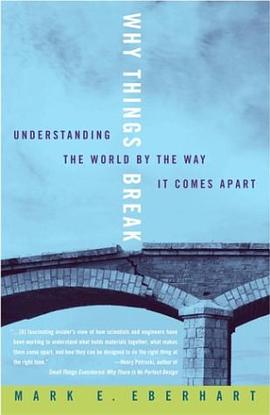
评分这本书的封面设计着实引人注目,那种略带磨损的质感,配上深沉的蓝黑色调,仿佛在低语着那些被时间侵蚀的秘密。我原本对“为什么东西会坏掉”这类技术性话题不太感冒,总觉得那是工程师和维修工的专属领域。然而,这本书成功地将看似枯燥的“故障分析”提升到了哲学思辨的高度。它没有直接给我一个零件失效的清单,而是深入探讨了“设计哲学”与“熵增定律”之间的微妙博弈。作者似乎在用一种近乎诗意的语言,描绘了完美与缺陷的永恒张力。阅读过程中,我开始重新审视家里的每一个日常用品——那个吱吱作响的门铰链,那个时好时坏的咖啡机,它们不再仅仅是需要被替换的物件,而成了某种关于“预期寿命”和“系统脆弱性”的微观案例研究。最让我印象深刻的是其中对“冗余设计”的讨论,作者巧妙地引用了古代建筑的结构平衡,说明了为什么过度优化反而可能导致更剧烈的、突发性的整体崩溃。这种跨学科的视角,使得原本应该充斥着专业术语的论述,变得像是在听一位饱经世故的匠人讲述他对世界的观察,充满了洞察力与对生命有限性的敬畏。这本书让我对“持久性”这个概念有了全新的理解,它教会了我欣赏那些尚未崩溃之物,也让我对那些必然会走向终结的事物多了一份理解。
评分 评分 评分 评分 评分