
具体描述
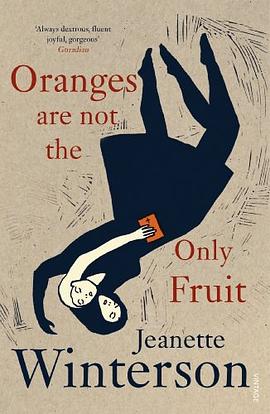
Innovative in style, its humour by turns punchy and tender, Jeanette Winterson’s first novel, Oranges are Not the Only Fruit is a few days ride into the bizarre outposts of religious excess and human obsession. It’s a love story, too. Winterson’s adaptation of the novel was an internationally acclaimed television drama awarded a BAFTA for best drama and an RTS award in the same year; the Prix Italia; FIPA D’Argent at Cannes for best script; The Golden Gate in San Francisco and an ACE Award at the Los Angeles television festival.
作者简介
Jeanette Winterson was born in Manchester, England, and adopted by Pentecostal parents who brought her up in the nearby mill-town of Accrington. As a Northern working class girl she was not encouraged to be clever. Her adopted father was a factory worker, her mother stayed at home. There were only six books in the house, including the Bible and Cruden's Complete Concordance to the Old and New Testaments. Strangely, one of the other books was Malory's Morte d'Arthur, and it was this that started her life quest of reading and writing. The house had no bathroom either, which was fortunate because it meant that Jeanette could read her books by flashlight in the outside toilet. Reading was not much approved unless it was the Bible. Her parents intended her for the missionary field. Schooling was erratic but Jeanette had got herself into a girl's grammar school and later she read English at Oxford University. This was not an easy transition. Jeanette had left home at 16 after falling in love with another girl. While she took her A levels she lived in various places, supporting herself by evening and weekend work. In a year off to earn money, she worked as a domestic in a lunatic asylum.
After Oxford, she did odd jobs in the theatre and wrote her first novel, Oranges Are Not The Only Fruit, when she was 23. It was published a year later in 1985. At the same time she published a comic book with pictures, Boating For Beginners. She then worked for her publishers at the time, Pandora Press, before publishing The Passion in 1987 with Bloomsbury in the UK and Knopf in the States. At that point she became a full-time writer, publishing Sexing The Cherry in 1989, Written On The Body in 1992, Art & Lies 1994, Art Objects (essays) 1995, Gut Symmetries 1997, The World And Other Places (short stories) 1998, The.Powerbook in 2000, a book for children: The King of Capri, in 2003, and her latest novel, Lighthousekeeping in 2004. In addition she dramatised Oranges Are Not The Only Fruit for BBCTV in 1990, and wrote a TV film, Great Moments In Aviation for BBC 2 in 1994.
In 2002 she adapted her novel The PowerBook for the Royal National Theatre London, and Theatre de Chaillot, Paris. The stage version was directed by Deborah Warner, and starred Fiona Shaw, Saffron Burroughs and Pauline Lynch.
Jeanette Winterson has won various awards around the world for her fiction and adaptations, including the Whitbread Prize, UK, and the Prix d'argent, Cannes Film Festival.
She writes regularly for various UK newspapers, especially The Times and The Guardian, and her journalism can be found on the site.
Apart from her love of books, she loves cars, and at present drives a Landrover Defender 90 TD1, all black with lots of chrome and alloy, and a Porsche 911 Targa.
Jeanette Winterson lives in the country in Oxfordshire, in a seventeenth century thatched cottage on the river, and in a 1780's house she restored from derelict, in Spitalfields, London.
目录信息
读后感
拿到夏天热午送来的《橘子不是唯一的水果》时,我以为除了小说的读法,它还可以取个名字《剥橘记——英伦乡间五月旬节教派兴衰史》,按照类似《屠猫记——法国文化史钩沉》、《百变小红帽——一则童话三百年的演变》或一点列维-斯特劳斯《忧郁的热带》的读法也未尝不可,但隔壁...
评分在写作《橘子不是唯一的水果》时,作家珍妮特•温特森说,“我试图解释自己从何而来,我试图把一段怪异的童年、一种非同寻常的个人历史讲明白,我也试图去宽恕。”这本基于作者个人回忆的半自传体小说,无疑是这段怪异人生的最佳注脚。多年后,成年的温特森从记忆深处打捞起...
评分# Oranges are not the Only Fruit. 1. what you think is the heart might well be another organ. 你以为在心里的说不定在别的器官里。 你以为是心的,也许只是另外一个器官而已。 2. Naturally, I am flattered. “不用说,那是在恭维我。” 很自然地,我觉得受宠若惊。 3. ...
评分《橘子不是唯一的水果》是珍妮特·温特森的处女作。但在她的第一本小说中,我们可以看到她后来小说中的两个极其鲜明的特征:抒情风格的雄辩和诗意。 下面这段文字,出自于这本书的第五章《申命记:最后的律法》,是这种风格最集中最明显的体现。 时间能抹煞一切。人们遗忘,厌...
评分用户评价
这本书的封面设计真是引人注目,那种饱和度极高的橙色调,搭配着略显粗粝的字体,一下子就抓住了我的眼球。我原本以为这会是一本关于园艺或者美食的散文集,毕竟书名这么直白地提到了水果。翻开扉页,我被作者那极其细腻的笔触和对日常生活的敏锐观察所震撼。故事的开篇,主角似乎陷入了一种对既有生活模式的深深的困惑之中,那种彷徨和自我探索的姿态,让人联想到卡夫卡的某个角落,但又带着一种更温暖、更女性化的基调。她描述清晨的街道、老式收音机里播放的爵士乐,以及邻居之间那些心照不宣的眼神交流,每一个细节都饱满得像要溢出来一样。我尤其喜欢她对“家”这个概念的解构,它似乎不仅仅是物理上的建筑,更是一种不断被重新定义的情感疆域。读到一半的时候,我甚至停下来,走到窗边,试图用作者的眼睛重新审视我自己的生活场景,寻找那些被我忽略的美丽的、令人不安的纹理。这本书的叙事节奏是缓慢而克制的,没有刻意的戏剧冲突,一切都像水波纹一样自然扩散开来,但其内在蕴含的情感张力却足以让人屏住呼吸。
评分我特别关注了作者在处理时间流逝和记忆重构上的技巧,这使得整本书读起来像是一部意识流的电影。过去的回忆并非简单的插叙,而是以一种碎片化、非线性的方式突然闯入当下,往往是通过一个气味、一个声音或者一个不经意的触碰而被激活。这种对记忆的描绘,极其真实地反映了人类大脑处理信息的方式——混乱而富有情感色彩。书中对某些特定历史时期的环境描绘,虽然不是主要内容,但却起到了极强的背景烘托作用,为主角的个人困境提供了更宏大的社会语境。这种将个体经验置于更广阔的历史背景下的写作手法,提升了作品的深度。阅读这本书,就像是走入一个布局精巧的迷宫,你永远不知道下一个转角会带你看到什么,但你又深信每一个岔路口都是通往某种重要启示的必经之路。它不是一本读完就可以束之高阁的书,它会像一粒种子一样,在你思维的土壤里悄悄生根发芽,并在未来不经意间开出意想不到的花朵。
评分我对这本书的文学价值感到非常好奇,因为它的语言风格简直就像是音乐,充满了韵律感和隐喻。作者似乎有一种魔力,能将最寻常的事物赋予一种近乎神圣的意义。比如她对“等待”这个状态的描写,不是那种焦虑的等待,而是一种近乎禅定的沉思,等待着某扇门终于吱呀一声打开,或者等待着一场注定的风暴来临。我注意到书中多次出现象征性的意象,比如某种特定的鸟类,或者一种特定光线下树叶的颜色,这些意象反复出现,构建了一个复杂而精密的符号系统。我花了大量时间去揣摩这些反复出现的符号到底指向何处,这让阅读过程变成了一种智力上的愉悦和挑战。更令人称奇的是,尽管主题似乎很私密和内省,但作者处理情感的方式却异常坦诚和普世,她没有刻意去讨好读者,而是用一种近乎冷峻的客观性来记录角色的内心挣扎。这本书的结构并非线性推进,更像是一系列精心编排的变奏曲,每一个章节都在围绕核心主题进行不同角度的探索和深化,层次感极为丰富,让人忍不住想要反复阅读,以捕捉那些初次阅读时可能错过的微妙之处。
评分这本书的语言艺术达到了令人叹为观止的境界,尤其体现在其对话的自然和真实感上。那些看似日常、毫无起伏的对话,实则暗流涌动,充满了未尽之意和潜台词。作者非常擅长通过对话的停顿、重复和语气的微小变化,来揭示人物之间复杂的关系张力和权力动态。我感觉自己不是在阅读一个被精心构造的故事,而是偷听了一群真实的人们在私密空间里的交谈。此外,作者在描述环境时,那种环境与人物心境的完美契合,也值得称道。无论是阴沉多雨的天气,还是某个午后突然降临的酷热,都与角色的情绪波动紧密相连,形成了一种有机的整体。这本书的魅力在于它的“留白”,它从不把话说满,总是将最关键的情感转折点留给读者自己去脑补和填充。这使得每一次重读,都会因为读者自身心境的变化,而产生新的解读和共鸣。它不是一本提供娱乐的读物,而是一次深刻的、几乎是仪式性的心智洗礼。
评分说实话,这本书的初读体验是有些令人困惑的,但正是这种“不适”感,才让我无法放下。它没有提供任何简单的答案或舒适的慰藉,反而像一把锋利的手术刀,精准地切开了现代人生活中那些精心维护的假象。主角的处境,尤其是在面对传统期望与个人真实欲望之间的拉扯时,那种内心的撕裂感,我感同身受。我尤其欣赏作者对于人物心理描写的精准度,她描绘的不是一个“完美”的英雄或受害者,而是一个充满矛盾、时而软弱时而又异常坚韧的复杂个体。在某些段落,作者的文字变得极其尖锐,充满了后现代的疏离感,仿佛在嘲讽一切既定的规范和教条。这种对社会规范的有力反思,让我开始重新审视自己生活中那些“应该”和“必须”的枷锁。阅读过程中,我感觉自己仿佛在跟一个多年未见的老友进行一场深入灵魂的对话,坦诚、激烈,且充满未言明的默契。这种阅读体验是罕见的,它要求读者付出全部的注意力,但回报是巨大的精神上的震撼。
评分想读一百遍。
评分很少有书能融入宗教的同时,又不失阅读趣味的。越读越好看的书。
评分If the demons lie within they travel with you.
评分Romantic love has been diluted into paperback form and has sold thousands and millions of copies. Somewhere it is still in the original, written on tablets of stone.
评分后半部节奏处理得比较好,前半略拖沓;最后大段大段的独白和梦幻故事的插入都挺喜欢的。女性主义么这算。。语言还行,英国女作家的细腻风