具体描述
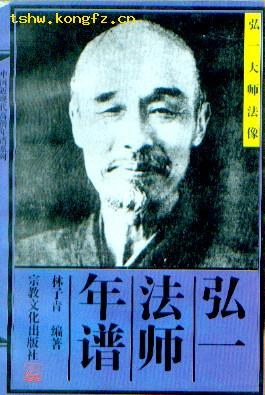
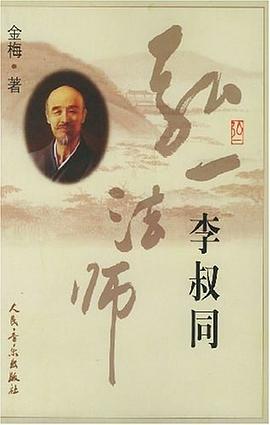
弘一法师年谱 《弘一法师年谱》是一部 meticulously researched and comprehensively documented chronicle of the life and legacy of Reverend Master Hongyi (弘一法师), a towering figure in modern Chinese Buddhism and a celebrated artist and scholar. This work aims to provide an in-depth and nuanced understanding of his extraordinary journey, from his early years as a worldly youth to his profound spiritual awakening and eventual attainment of Buddhahood. The book meticulously traces the chronological unfolding of Master Hongyi's life, dividing it into distinct phases that illuminate the transformation of his identity and the evolution of his spiritual and artistic pursuits. From his birth in 1880 as Li Shutong (李叔同) in Tianjin, a scion of a wealthy and influential family, the narrative begins to paint a picture of a gifted individual endowed with exceptional talents. The early chapters delve into his education, his upbringing in a culturally rich environment, and the burgeoning artistic sensibilities that would later define him. We learn of his early artistic endeavors, his proficiency in calligraphy, painting, and poetry, and his engagement with the intellectual currents of his time. A significant portion of the年谱 is dedicated to his extensive travels and his intellectual engagements. His sojourns in Japan, where he studied Western music and art, profoundly shaped his aesthetic sensibilities and broadened his horizons. The book details his return to China and his subsequent contributions to the burgeoning modern art and music education movements. His role as an educator, inspiring a generation of artists and intellectuals, is thoroughly explored. This period highlights his multifaceted genius, his ability to bridge Eastern and Western traditions, and his profound influence on the cultural landscape of early 20th-century China. The narrative then pivots to the pivotal turning point in Master Hongyi's life: his spiritual awakening and decision to renounce the secular world. The年谱 meticulously chronicles his gradual journey towards Buddhism, his encounters with eminent monks, and his deepening contemplation of Buddhist philosophy. The decision to become a monk, a profound act of renunciation that shocked many of his admirers, is presented not as an abrupt abandonment of his former life, but as the culmination of years of introspection and spiritual yearning. The book carefully details his ordination in 1918, his adoption of the monastic name Hongyi, and his unwavering commitment to the Vinaya, the Buddhist precepts. Subsequent chapters focus on his life as a Buddhist monk, his dedication to the study and practice of the Dharma, and his profound influence as a spiritual leader. The年谱 highlights his tireless efforts in propagating Buddhist teachings, his meticulous adherence to monastic discipline, and his unwavering compassion towards all sentient beings. It explores his tireless work in translating Buddhist scriptures, his profound insights into the nature of reality, and his ability to communicate complex spiritual truths in a simple yet profound manner. His exemplary conduct and his profound wisdom attracted a multitude of disciples and followers, solidifying his reputation as one of the most respected and revered Buddhist masters of his era. The book also sheds light on Master Hongyi's continued artistic pursuits even after his monastic vows. Far from abandoning his artistic talents, he integrated them into his spiritual practice, finding beauty and profundity in the simple act of calligraphy and painting. His later works, imbued with a serene spirituality and a profound understanding of impermanence, are celebrated for their minimalist elegance and their spiritual depth. The年谱 examines the interconnectedness of his art and his spirituality, demonstrating how his aesthetic sensibility was a natural extension of his enlightened mind. Throughout the年谱, the author meticulously incorporates biographical details, historical context, and personal anecdotes to create a vivid and compelling portrait of Master Hongyi. The book draws upon a wide array of primary sources, including personal letters, diaries, scholarly writings, and oral histories, to ensure accuracy and authenticity. The narrative is enriched by the inclusion of photographs, reproductions of his artwork, and excerpts from his writings, offering readers a more intimate connection with the man and his teachings. Ultimately,《弘一法师年谱》 seeks to immortalize the enduring legacy of Master Hongyi, not merely as a historical figure, but as a beacon of wisdom, compassion, and spiritual attainment. It serves as a testament to the transformative power of dedication and the profound impact one individual can have on the spiritual and cultural landscape of a nation. The book is an indispensable resource for scholars, practitioners, and anyone seeking to understand the life and teachings of this extraordinary individual who epitomized the ideal of a "monk who is also a scholar" and a "Buddha in the mortal world." It offers a timeless message of spiritual liberation and the pursuit of inner peace, resonating with readers across generations.