
具体描述
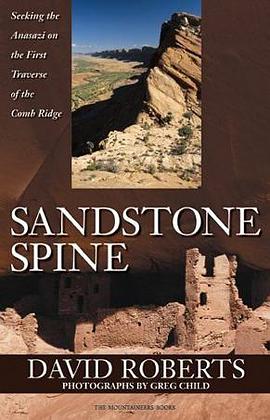
Three friends bound by love of the Southwest’s canyonlands undertake the first traverse of the Comb Ridge, in search of the lost civilization of the Anasazi • A cultural pilgrimage as well as an athletic one • Story blends personal adventure, middle-aged angst, the beauty of a landscape, history of exploration, and mysteries of the rise and fall of an ancient culture • By a critically acclaimed travel and adventure writer also famous for his exploits in Alaska’s mountains • Includes photos by Greg Child of the landscape, Anasazi and Navajo ruins and rock art On September 1, 2004, three middle-aged buddies set out on one of the last geographic challenges never before attempted in North America: to hike the Comb Ridge in one continuous push. The Comb is an upthrust ridge of sandstone—virtually a mini-mountain range—that stretches almost unbroken for a hundred miles from just east of Kayenta, Arizona, to some ten miles west of Blanding, Utah. To hike the Comb is to run a gauntlet of up-and-down severities, with the precipice lurking on one hand, the fiendishly convoluted bedrock slab on the other—always at a sideways, ankle-wrenching pitch. There is not a single mile of established trail in the Comb’s hundred-mile reach.
The friends were David Roberts, writer, adventurer, famed mountaineer of decades past, at age 61 the graybeard of the bunch; Greg Child, renowned mountaineer and rock climber, age 47; and Vaughn Hadenfeldt, a wilderness guide intimately acquainted with the canyonlands, age 53. They came to the Comb not only for the physical challenge, but to seek out seldom-visited ruins and rock art of the mysterious Anasazi culture. Each brought his own emotions on the journey; the Comb Ridge would test their friendship in ways they had never before experienced.
Searching for the stray arrowhead half-smothered in the sand or for the faint markings on a far sandstone boulder that betokened a little-known rock art panel, becomes a competitive sport for the three friends. Along the way, they ponder the mystery, bringing the accounts of early and modern explorers and archaeologists to bear: Who were the vanished Indians who built these inaccessible cliff dwellings and pueblos, often hidden from view? Of whom were they afraid and why? What caused them to suddenly abandon their settlements around 1300 AD? What meaning can be ascribed to their phantasmagoric rock art? What was their relationship to the Navajo, who were convinced the Anasazi had magical powers and could fly?
DAVID ROBERTS is the author of On the Ridge Between Life & Death, Escape From Lucania, In Search of the Old Ones, and Escape Routes among other titles. His adventure and travel writing have appeared in Outside, National Geographic Adventure, The New York Times, and other publications.
作者简介
目录信息
读后感
用户评价
我必须承认,这本书对读者的知识储备有一定的要求,它并不提供廉价的答案,反而抛出了一系列深刻的伦理困境,迫使你站在不同的立场上去审视那些“正确”与“错误”的边界。作者似乎对人类的困境有着近乎残酷的洞察力,笔下的人物往往陷入到自我矛盾的泥潭中,他们做出的每一个选择,似乎都是在“两害相权取其轻”的悲剧中挣扎。这种对道德模糊性的探讨,让我读后久久无法释怀,它不是那种读完就扔掉的消遣之作,而更像是一次心灵的洗礼。它让你重新审视自己一直以来坚信不疑的某些价值观。整本书洋溢着一种知识分子的忧患意识,但这种忧患并非是空洞的呐喊,而是通过严谨的逻辑推演和饱满的叙事张力,将抽象的哲学问题转化为具象的、令人心碎的故事。这是一部真正有重量的作品。
评分这本书的叙事结构简直像一个精巧的万花筒,你以为你看到了全貌,轻轻一拨,又呈现出完全不同的光怪陆离的图案。作者大量使用了非线性叙事的手法,将不同时间线上的片段并置、交织,初读时可能会感到一丝迷惘,但正是这种“迷惘”构建了叙事张力的核心。你需要主动参与到叙事的构建过程中去,去拼凑那些碎片,去填补那些留白。这种需要读者“动脑筋”的阅读体验,在快餐文化盛行的当下显得尤为珍贵。而且,它不像有些实验性作品那样为了晦涩而晦涩,所有的复杂布局最终都服务于一个清晰而震撼的情感落点。最让我震撼的是作者对“沉默”的处理,有时候,那些没有被说出口的话语,其重量远远超过了千言万语,书中的留白艺术运用得炉火纯青,每一次的戛然而止都带着强烈的宿命感。
评分从纯粹的文学技法角度来看,这本书简直是一本教科书级别的范例。作者对意象的运用达到了出神入化的地步,每一个反复出现的物体或场景,都带有明确的象征意义,但其象征意义又并非是固定死的,而是随着情节的深入而不断变异和深化的。比如说,对于“光线”的描绘,在开篇是希望的象征,到了中段却成了揭露真相的残酷手段,这种动态的象征系统让文本充满了解读的可能性。此外,作者的句法结构也极具个人特色,长句铺陈开来,如同河流般连绵不绝,充满着古典的韵律感,但突然间又会插入极其简洁、口语化的短句,这种节奏的突然变化,极大地增强了阅读时的冲击力。对于那些追求文字美感和结构深度的读者来说,这本书无疑是一场盛宴,它要求你放慢脚步,细细品味每一个词汇被放置的位置。
评分我得承认,一开始我对这部作品抱持着相当的怀疑态度,毕竟现在市面上充斥着太多故作高深的作品。然而,一旦进入到故事的肌理之中,那种独特的历史氛围便扑面而来,简直是身临其境。作者构建的世界观极其宏大,却又在微观层面铺陈了大量的考据细节,让人不得不佩服其深厚的功底。那种对特定年代生活气息的捕捉,不仅仅是物件的罗列,更是那种集体潜意识和时代精神的重现。语言风格上,它时而如古老的史诗般庄严厚重,时而又切换为带着尖锐讽刺的民间谚语,这种跨度的驾驭能力令人赞叹。更难得的是,尽管题材看似沉重,但其中穿插的幽默感却恰到好处地起到了调和剂的作用,使得冗长的章节也不会让人感到疲惫。读完后,我感觉自己仿佛穿越了一趟漫长的旅程,不仅获得了知识,更重要的是,那种对时间流逝和文明兴衰的全新体悟,久久不能散去。
评分这本书的叙事节奏简直让人欲罢不能,作者对人物心理的细腻刻画简直达到了出神入化的地步。那种深埋在角色内心深处的挣扎与渴望,通过看似不经意的对话和场景切换,层层剥开,让人在不知不觉中与主角一同经历了那些难以言说的情感风暴。我尤其欣赏作者在处理复杂人际关系时的那种游刃有余,没有简单地将角色划分为好坏两极,而是赋予了每个人物鲜活的动机和灰色地带,使得整个故事的张力达到了一个极高的水平。阅读过程中,我多次停下来,反复琢磨某一个措辞或一个意象,那感觉就像是在精密的钟表内部观察齿轮的咬合,每一个细微的转动都精准地推动着情节的发展,却又在最关键的时刻给出意料之外的转折。那种智力上的博弈感,远超一般的娱乐读物,更像是一次对人性的深度田野调查。封面设计和内文排版也体现出一种克制而高级的美感,阅读体验非常舒适,即便是面对那些晦涩难懂的哲学思辨,排版的留白也给予了读者喘息的空间,使得文本的重量得以恰如其分地展现。
评分 评分 评分 评分 评分