
具体描述
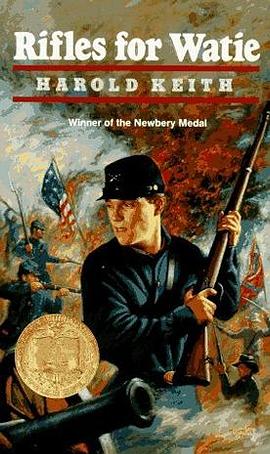
Jeff Bussey walked briskly up the rutted wagon road toward Fort Leavenworth on his way to join the Union volunteers. It was 1861 in Linn County, Kansas, and Jeff was elated at the prospect of fighting for the North at last.</P>
In the Indian country south of Kansas there was dread in the air; and the name, Stand Watie, was on every tongue. A hero to the rebel, a devil to the Union man, Stand Watie led the Cherokee Indian Na-tion fearlessly and successfully on savage raids behind the Union lines. Jeff came to know the Watie men only too well.</P>
He was probably the only soldier in the West to see the Civil War from both sides and live to tell about it. Amid the roar of cannon and the swish of flying grape, Jeff learned what it meant to fight in battle. He learned how it felt never to have enough to eat, to forage for his food or starve. He saw the green fields of Kansas and Okla-homa laid waste by Watie's raiding parties, homes gutted, precious corn deliberately uprooted. He marched endlessly across parched, hot land, through mud and slash-ing rain, always hungry, always dirty and dog-tired.</P>
And, Jeff, plain-spoken and honest, made friends and enemies. The friends were strong men like Noah Babbitt, the itinerant printer who once walked from Topeka to Galveston to see the magnolias in bloom; boys like Jimmy Lear, too young to carry a gun but old enough to give up his life at Cane Hill; ugly, big-eared Heifer, who made the best sourdough biscuits in the Choctaw country; and beautiful Lucy Washbourne, rebel to the marrow and proud of it. The enemies were men of an-other breed - hard-bitten Captain Clardy for one, a cruel officer with hatred for Jeff in his eyes and a dark secret on his soul.</P>
This is a rich and sweeping novel-rich in its panorama of history; in its details so clear that the reader never doubts for a moment that he is there; in its dozens of different people, each one fully realized and wholly recognizable. It is a story of a lesser -- known part of the Civil War, the Western campaign, a part different in its issues and its problems, and fought with a different savagery. Inexorably it moves to a dramat-ic climax, evoking a brilliant picture of a war and the men of both sides who fought in it.</P>
作者简介
目录信息
读后感
用户评价
我花了整整一个周末才把这本厚重的书读完,疲惫中带着一种难以言喻的满足感。这本书的叙事节奏把握得非常老道,它不是那种一味追求快节奏的爆米花小说,而是更倾向于一种史诗般的铺陈。开篇的铺垫或许会让一些急性子的读者感到稍慢,但正是这种慢,为后续高潮部分的爆发力积蓄了足够的能量。作者擅长使用环境描写来烘托人物的内心世界,比如描写俄克拉荷马州那片广袤而荒凉的土地时,那种孤独感几乎要穿透纸面。我尤其欣赏作者对“边缘群体”命运的关注,他们常常是历史宏大叙事中最容易被忽略的群体,但作者却将聚光灯打在了他们的勇气和韧性上。整个故事的结构非常扎实,线索交织,但从不混乱,最终的收束干净利落,留下的思考空间却十分广阔。这是一部需要静下心来细品的佳作。
评分坦率地说,这本书的语言风格对我来说是一种全新的体验。它既有那个时代特有的古典韵味,但又避免了过度矫饰,读起来既有厚重感又不失流畅性。作者似乎对特定的词汇有着一种近乎偏执的精准度,这使得阅读过程变成了一种对词义和语境的细致品味。我常常会因为某一句描述而停下来,反复咀嚼其中的深意——那些关于荣誉、牺牲和家庭责任的论述,都处理得非常精妙。这本书的优点在于它没有试图去美化战争,而是直面了战争带来的创伤和道德困境。它迫使你思考,在极端情境下,我们引以为傲的原则将如何被考验和扭曲。对于喜欢文学性强于纯粹情节驱动的读者来说,这本书绝对是物超所值的投资。它展现了叙事艺术的深度和广度。
评分这本小说简直是历史爱好者的盛宴!作者对那个时代背景的刻画入木三分,让你仿佛能闻到硝烟味,感受到南北战争前夕南方社会那种微妙的紧张感。书中对人物性格的塑造极其立体,每一个角色都不是非黑即白的符号,他们都有自己的挣扎、信仰和人性的弱点。比如,主角在理想主义与残酷现实之间的摇摆不定,处理得非常细腻。我特别欣赏作者在描述战术和军事行动时的严谨性,那种对细节的执着,让那些复杂的战场调度读起来毫不晦涩,反而充满了张力。它不仅仅是一部关于冲突的书,更深入探讨了忠诚、背叛以及个人良知在巨大历史洪流中的位置。读完后,我感觉自己对那个特定历史时期,尤其是侧重于某些特定人群的经历,有了更深层次的理解,这绝不是教科书能带给读者的体验。我强烈推荐给所有对美国内战史感兴趣,但又希望通过引人入胜的故事来学习的读者。
评分我通常不太追捧严肃题材的长篇小说,但这本书的魅力实在难以抗拒。最让我印象深刻的是它对“视角”转换的处理技巧。故事不是单一线索地推进,而是像一部多机位拍摄的电影,不断地切换观察点,让你从不同阵营、不同立场的人的角度去看待同一事件。这种多维度的呈现极大地丰富了故事的复杂性,使得读者无法轻易地将任何一方简单地划分为“好人”或“坏蛋”。每一次视角转换,都像是在为你打开一扇新的窗户,让你看到隐藏在表面冲突之下的更深层次的人性挣扎。我特别喜欢作者在对话中展现的智慧,那些机锋暗藏、一语双关的交流,充满了那个时代特有的机智和骄傲。总而言之,这是一部结构精巧、思想深刻的杰作,值得反复阅读和探讨。
评分看完这本书,我感到一种强烈的历史共鸣感,仿佛自己也参与了那段动荡的岁月。作者对地方风土人情的描绘达到了令人惊叹的程度,那些关于特定地域生活习俗、信仰体系的细致勾勒,让整个故事有了扎实的根基。它不仅仅是关于战争的故事,更是关于一个特定社群在时代变迁中的挣扎与坚守。我特别欣赏作者在处理角色命运时的那种克制感,他没有用廉价的煽情手段来博取同情,而是通过冷静、写实的笔触,让人物的悲剧性自然而然地流露出来。这种“少即是多”的叙事哲学,反而赋予了作品更持久的冲击力。这本书的后劲很大,即便合上书本很久之后,书中某些场景和人物的抉择依然会在脑海中不断回放,促使我去反思历史的必然性与偶然性。对于追求阅读体验深度和广度的读者,这本书绝对是不可错过的佳作。
评分 评分 评分 评分 评分