
具体描述
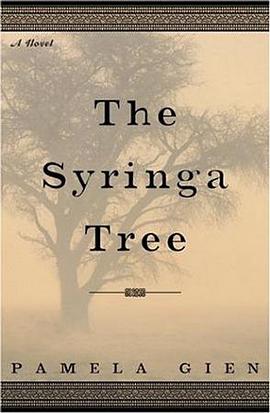
In this heartrending and inspiring novel set against the gorgeous, vast landscape of South Africa under apartheid, award-winning playwright Pamela Gien tells the story of two families–one black, one white–separated by racism, connected by love.
Even at the age of six, lively, inquisitive Elizabeth Grace senses she’s a child of privilege, “a lucky fish.” Soothing her worries by raiding the sugar box, she scampers up into the sheltering arms of the lilac-blooming syringa tree growing behind the family’s suburban Johannesburg home.
Lizzie’s closest ally and greatest love is her Xhosa nanny, Salamina. Deeper and more elemental than any traditional friendship, their fierce devotion to each other is charged and complicated by Lizzie’s mother, who suffers from creeping melancholy, by the stresses of her father’s medical practice, which is segregated by law, and by the violence, injustice, and intoxicating beauty of their country.
In the social and racial upheavals of the 1960s, Lizzie’s eyes open to the terror and inhumanity that paralyze all the nation’s cultures–Xhosa, Zulu, Jew, English, Boer. Pass laws requiring blacks to carry permission papers for white areas and stringent curfews have briefly created an orderly state–but an anxious one. Yet Lizzie’s home harbors its own set of rules, with hushed midnight gatherings, clandestine transactions, and the girl’s special task of protecting Salamina’s newborn child–a secret that, because of the new rules, must never be mentioned outside the walls of the house.
As the months pass, the contagious spirit of change sends those once underground into the streets to challenge the ruling authority. And when this unrest reaches a social and personal climax, the unthinkable will happen and forever change Lizzie’s view of the world.
When The Syringa Tree opened off-Broadway in 2001, theater critics and audiences alike embraced the play, and it won many awards. Pamela Gien has superbly deepened the story in this new novel, giving a personal voice to the horrors and hopes of her homeland. Written with lyricism, passion, and life-affirming redemption, this compelling story shows the healing of the heart of a young woman and the soul of a sundered nation.
Praise:
A gripping first novel in the tradition of such great southern African writers as Nadine Gordimer and Doris Lessing. Spare beautiful prose builds to an unforgettable climax. --Booklist
“Pamela Gien's novel is impressively affecting. She is a wonder. The Syringa Tree as a play was uniquely moving, but Gien has taken it beyond its walls, and given us remarkable writing that stands freely as a deeply affecting and fresh telling of this classic story." —Lillian Ross
“The story of a young girl and her cherished caretaker is the story of a heartbroken country. Pamela Gien brings South Africa to vivid life, illuminating how the bonds of love are stronger than the forces of history. I read the end of the book through tears.”–Amanda Eyre Ward, author of How to Be Lost
“This book plunges us inside the skin of humanity and is suffused with a rare understanding. The Syringa Tree reminds us that every life can be a drop–and a great deal more–in the sea of history.”–Scott Simon, author of Pretty Birds and Home and Away
"Gien captures perfectly the voice of the child Elizabeth and the grown woman she becomes. Evocative and impassioned."-- Baltimore Sun
作者简介
目录信息
读后感
用户评价
我必须承认,这本书的配乐(如果允许我用这个词来形容其氛围营造)是极其忧郁和哀婉的。它并非那种直白的悲剧,而是一种弥漫在空气中,与骨髓融合的、无法摆脱的“失落感”。这种失落感似乎与特定的事件无关,而是一种存在主义层面的宿命。书中反复出现的主题,比如“未曾实现的承诺”和“被遗弃的理想”,都浸透着一层薄薄的、如同秋日薄雾般的伤感。最让我感到震撼的是作者对“声音”的运用。村庄里常年回荡着远处灯塔的雾笛声,那种低沉、拉长的嗡鸣,成为了角色内心焦虑和无助的具象化。每当雾笛响起,我就知道,重要的内心挣扎即将到来。这本书没有提供任何廉价的救赎,结尾的处理更是如此。它没有给出一个明确的“答案”或“和解”,只是让角色带着他们所有的伤痕和未解的谜团,继续生活在那个永恒潮湿的海岸边。这是一种非常诚实的艺术表达,它拒绝提供虚假的希望,只是冷静地展示了生活本质上是带着裂痕继续前行的过程。读完之后,我的心情久久不能平静,仿佛自己也染上了那种无法言喻的、带着海盐味的忧郁。
评分这本书的语言风格,说实话,初看时我以为自己拿错了一本晦涩的哲学论著,而不是小说。它的句子结构极其复杂,充满了大量的从句和插入语,仿佛作者在试图用最精确、最不容置疑的方式来构建每一个概念。特别是在探讨“记忆的不可靠性”和“时间的主观感知”时,作者经常会插入大段的内心独白,这些独白往往是自我辩驳和逻辑推演的混合体,读起来非常费力,需要反复回溯才能抓住核心意思。举个例子,书中有一个关于“一间永远空着的阁楼房间”的比喻,作者用了整整三页纸来剖析这个空间在角色童年阴影中的多重象征意义,涉及到了结构主义、现象学甚至一些模糊的后现代解读。我不得不承认,这种写作手法是极其高雅且充满智力挑战的,但它也极大地提高了阅读的门槛。它要求读者不仅是旁观者,更像是参与到作者的思维迷宫中进行一场高强度的智力健行。对于追求轻松阅读体验的读者来说,这无疑是一种折磨,但对于那些热衷于分析文本深层结构和作者意图的“深度挖掘者”而言,这简直是一场盛宴。我甚至为此停下来查阅了几本相关的文学理论书籍,试图跟上作者的思维脚步。
评分这本书的叙事节奏简直是教科书级别的慢热,初读时可能会让人有些不耐烦,感觉作者在故事情节的推进上过于吝啬。前三分之一的部分,几乎所有的篇幅都在描绘一个名叫伊芙琳的女性角色,她居住在爱尔兰西海岸一个几乎被遗忘的小村庄里。她的日常生活单调得令人窒息:清晨在海边捡拾被冲上岸的漂流木,午后则在小小的图书馆里整理那些发黄的旧书,傍晚时分,则面对着那片总是阴沉沉的、仿佛能吞噬一切光线的冷杉林沉思。作者对于环境的刻画极其细致入微,那种湿冷、带着咸腥味的空气似乎都能穿透纸页扑面而来。我记得有一段描述,伊芙琳试图修复一只受伤的海鸟,她的动作轻柔却带着一种近乎仪式感的虔诚,但最终,海鸟还是死了。这种对生命脆弱性的冷静描摹,虽然压抑,却也奠定了一种宿命般的基调。我认为,如果读者期待的是那种跌宕起伏、充满意外的情节转折,这本书很可能会让人失望。它更像是一幅用极细的笔触描绘的静物画,重点不在于“发生了什么”,而在于“如何存在着”。这种对内在世界的深挖,需要极大的耐心去体味,去跟随角色缓慢的呼吸节奏。我花了几乎一周的时间才真正沉浸进去,当沉浸之后,那种与角色共同经历的冗长时光,反倒成了一种奇特的慰藉。
评分这本书在处理时间线索方面,可以说是相当大胆且有些令人困惑的处理方式。它不是简单地采用倒叙或插叙,而是构建了一个近乎环形的时间结构。故事似乎总是在重复某些关键的场景——一场发生在夏至的家庭聚会、一段关于旧照片的争执、以及一次深夜的暴风雨。然而,每一次重复,都会增加一个微小但至关重要的细节,仿佛是在不断修正历史的镜头,让读者产生一种“这次我终于看清了真相”的错觉,但下一刻,作者又会用一个全新的角度推翻之前的认知。我感觉作者的目的不是要讲述一个线性发展的“故事”,而是要展示“所有可能性同时存在”的体验。这种处理手法,极大地考验了读者的记忆力和专注力,因为你必须时刻警惕,当前所读到的“现在”,究竟是角色记忆中的过去,还是现实的当下。我甚至开始怀疑,故事中那个主要的叙述者,他的记忆本身是否就是故事最大的谜团。如果情节的连贯性是阅读的主要驱动力,那么这本书会让人抓狂;但如果读者将其视为一场关于“多重现实构造”的实验,那么它的价值便显现出来了——它迫使我们质疑我们对“确定性”的执着。
评分我个人对这本书的音调处理印象最为深刻——它成功地营造了一种既疏离又极度亲密的矛盾氛围。角色之间的对话,尤其是在处理核心冲突时,总是充满了未尽之言和心照不宣的沉默。几乎每一次重要的交流都像是一场精妙的“下棋”,双方都在试探对方的底线,但真正的杀招却始终藏在棋盘之外。我记得其中有一场关于家庭遗产分配的讨论,场面静得能听见壁炉里木柴燃烧发出的轻微噼啪声。角色A抛出了一个看似无关紧要的问题,角色B则用一个与主题完全不搭嘎的回忆来回应。这种对话方式,完美地反映了人与人之间在面对巨大情感创伤时,那种本能的逃避和迂回。作者非常擅长利用空间和物理距离来映射心理的隔阂;比如,当两个角色必须共处一室时,他们之间的家具摆放、窗帘的拉合,甚至呼吸的频率,都被赋予了深刻的象征意义。这种对“非语言沟通”的细致捕捉,使得整本书读起来像是一部无声电影,情感的波涛汹涌都隐藏在那层平静的表面之下,需要读者调动全部的直觉去解码。
评分 评分 评分 评分 评分