
具体描述
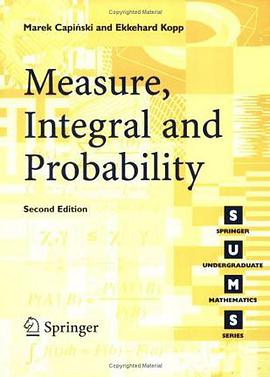
Measure, Integral and Probability is a gentle introduction that makes measure and integration theory accessible to the average third-year undergraduate student. The ideas are developed at an easy pace in a form that is suitable for self-study, with an emphasis on clear explanations and concrete examples rather than abstract theory. For this second edition, the text has been thoroughly revised and expanded. New features include: · a substantial new chapter, featuring a constructive proof of the Radon-Nikodym theorem, an analysis of the structure of Lebesgue-Stieltjes measures, the Hahn-Jordan decomposition, and a brief introduction to martingales · key aspects of financial modelling, including the Black-Scholes formula, discussed briefly from a measure-theoretical perspective to help the reader understand the underlying mathematical framework. In addition, further exercises and examples are provided to encourage the reader to become directly involved with the material.
作者简介
目录信息
1.1 Notation and basic set theory . . . . . . . . . . . . . . . . . . . . . . . . . . . . . . 2
1.1.1 Sets and functions . . . . . . . . . . . . . . . . . . . . . . . . . . . . . . . . . . 2
1.1.2 Countable and uncountable sets in R ................. 4
1.1.3 Topological properties of sets in R .................... 5
1.2 The Riemann integral: scope and limitations . . . . . . . . . . . . . . . . . 7
1.3 Choosing numbers at random . . . . . . . . . . . . . . . . . . . . . . . . . . . . . . 12
2. Measure .................................................... 15
2.1 Null sets . . . . . . . . . . . . . . . . . . . . . . . . . . . . . . . . . . . . . . . . . . . . . . . . 15
2.2 Outer measure . . . . . . . . . . . . . . . . . . . . . . . . . . . . . . . . . . . . . . . . . . . 20
2.3 Lebesgue-measurable sets and Lebesgue measure . . . . . . . . . . . . . 26
2.4 Basic properties of Lebesgue measure . . . . . . . . . . . . . . . . . . . . . . . 35
2.5 Borel sets . . . . . . . . . . . . . . . . . . . . . . . . . . . . . . . . . . . . . . . . . . . . . . . 40
2.6 Probability . . . . . . . . . . . . . . . . . . . . . . . . . . . . . . . . . . . . . . . . . . . . . . 45
2.6.1 Probability space . . . . . . . . . . . . . . . . . . . . . . . . . . . . . . . . . . . 46
2.6.2 Events: conditioning and independence . . . . . . . . . . . . . . . . 46
2.6.3 Applications to mathematical finance . . . . . . . . . . . . . . . . . 49
2.7 Proofs of propositions . . . . . . . . . . . . . . . . . . . . . . . . . . . . . . . . . . . . . 51
3. Measurable functions ....................................... 55
3.1 The extended real line . . . . . . . . . . . . . . . . . . . . . . . . . . . . . . . . . . . . 55
3.2 Lebesgue-measurable functions . . . . . . . . . . . . . . . . . . . . . . . . . . . . . 55
3.3 Examples. . . . . . . . . . . . . . . . . . . . . . . . . . . . . . . . . . . . . . . . . . . . . . . . 59
3.4 Properties . . . . . . . . . . . . . . . . . . . . . . . . . . . . . . . . . . . . . . . . . . . . . . . 60
3.5 Probability . . . . . . . . . . . . . . . . . . . . . . . . . . . . . . . . . . . . . . . . . . . . . . 66
3.5.1 Random variables . . . . . . . . . . . . . . . . . . . . . . . . . . . . . . . . . . 66
3.5.2 σ-fields generated by random variables . . . . . . . . . . . . . . . . 67
3.5.3 Probability distributions . . . . . . . . . . . . . . . . . . . . . . . . . . . . 68
3.5.4 Independence of random variables . . . . . . . . . . . . . . . . . . . . 70
3.5.5 Applications to mathematical finance . . . . . . . . . . . . . . . . . 70
3.6 Proofs of propositions . . . . . . . . . . . . . . . . . . . . . . . . . . . . . . . . . . . . . 73
4. Integral ..................................................... 75
4.1 Definition of the integral . . . . . . . . . . . . . . . . . . . . . . . . . . . . . . . . . . 75
4.2 Monotone convergence theorems . . . . . . . . . . . . . . . . . . . . . . . . . . . . 82
4.3 Integrable functions. . . . . . . . . . . . . . . . . . . . . . . . . . . . . . . . . . . . . . . 86
4.4 The dominated convergence theorem . . . . . . . . . . . . . . . . . . . . . . . . 92
4.5 Relation to the Riemann integral . . . . . . . . . . . . . . . . . . . . . . . . . . . 97
4.6 Approximation of measurable functions . . . . . . . . . . . . . . . . . . . . . 102
4.7 Probability . . . . . . . . . . . . . . . . . . . . . . . . . . . . . . . . . . . . . . . . . . . . . . 105
4.7.1 Integration with respect to probability distributions . . . . 105
4.7.2 Absolutely continuous measures: examples of densities . . 107
4.7.3 Expectation of a random variable. . . . . . . . . . . . . . . . . . . . . 114
4.7.4 Characteristic function . . . . . . . . . . . . . . . . . . . . . . . . . . . . . . 115
4.7.5 Applications to mathematical finance . . . . . . . . . . . . . . . . . 117
4.8 Proofs of propositions . . . . . . . . . . . . . . . . . . . . . . . . . . . . . . . . . . . . . 119
5. Spaces of integrable functions ............................... 125
5.1 The space L1 . . . . . . . . . . . . . . . . . . . . . . . . . . . . . . . . . . . . . . . . . . . . 126
5.2 The Hilbert space L2 . . . . . . . . . . . . . . . . . . . . . . . . . . . . . . . . . . . . . 131
5.2.1 Properties of the L2-norm . . . . . . . . . . . . . . . . . . . . . . . . . . . 132
5.2.2 Inner product spaces . . . . . . . . . . . . . . . . . . . . . . . . . . . . . . . . 135
5.2.3 Orthogonality and projections . . . . . . . . . . . . . . . . . . . . . . . 137
5.3 The Lp spaces: completeness . . . . . . . . . . . . . . . . . . . . . . . . . . . . . . . 140
5.4 Probability . . . . . . . . . . . . . . . . . . . . . . . . . . . . . . . . . . . . . . . . . . . . . . 146
5.4.1 Moments . . . . . . . . . . . . . . . . . . . . . . . . . . . . . . . . . . . . . . . . . . 146
5.4.2 Independence . . . . . . . . . . . . . . . . . . . . . . . . . . . . . . . . . . . . . . 150
5.4.3 Conditional expectation (first construction) . . . . . . . . . . . . 153
5.5 Proofs of propositions . . . . . . . . . . . . . . . . . . . . . . . . . . . . . . . . . . . . . 155
6. Product measures .......................................... 159
6.1 Multi-dimensional Lebesgue measure . . . . . . . . . . . . . . . . . . . . . . . . 159
6.2 Product σ-fields . . . . . . . . . . . . . . . . . . . . . . . . . . . . . . . . . . . . . . . . . . 160
6.3 Construction of the product measure . . . . . . . . . . . . . . . . . . . . . . . . 162
6.4 Fubini’s theorem . . . . . . . . . . . . . . . . . . . . . . . . . . . . . . . . . . . . . . . . . 169
6.5 Probability . . . . . . . . . . . . . . . . . . . . . . . . . . . . . . . . . . . . . . . . . . . . . . 173
6.5.1 Joint distributions . . . . . . . . . . . . . . . . . . . . . . . . . . . . . . . . . . 173Contents xv
6.5.2 Independence again . . . . . . . . . . . . . . . . . . . . . . . . . . . . . . . . . 175
6.5.3 Conditional probability . . . . . . . . . . . . . . . . . . . . . . . . . . . . . 177
6.5.4 Characteristic functions determine distributions . . . . . . . . 180
6.5.5 Application to mathematical finance . . . . . . . . . . . . . . . . . . 182
6.6 Proofs of propositions . . . . . . . . . . . . . . . . . . . . . . . . . . . . . . . . . . . . . 185
7. The Radon–Nikodym theorem .............................. 187
7.1 Densities and conditioning . . . . . . . . . . . . . . . . . . . . . . . . . . . . . . . . . 187
7.2 The Radon–Nikodym theorem . . . . . . . . . . . . . . . . . . . . . . . . . . . . . 188
7.3 Lebesgue–Stieltjes measures . . . . . . . . . . . . . . . . . . . . . . . . . . . . . . . 199
7.3.1 Construction of Lebesgue–Stieltjes measures . . . . . . . . . . . 199
7.3.2 Absolute continuity of functions . . . . . . . . . . . . . . . . . . . . . . 204
7.3.3 Functions of bounded variation. . . . . . . . . . . . . . . . . . . . . . . 206
7.3.4 Signed measures. . . . . . . . . . . . . . . . . . . . . . . . . . . . . . . . . . . . 210
7.3.5 Hahn–Jordan decomposition . . . . . . . . . . . . . . . . . . . . . . . . . 216
7.4 Probability . . . . . . . . . . . . . . . . . . . . . . . . . . . . . . . . . . . . . . . . . . . . . . 218
7.4.1 Conditional expectation relative to a σ-field . . . . . . . . . . . 218
7.4.2 Martingales. . . . . . . . . . . . . . . . . . . . . . . . . . . . . . . . . . . . . . . . 222
7.4.3 Doob decomposition . . . . . . . . . . . . . . . . . . . . . . . . . . . . . . . . 226
7.4.4 Applications to mathematical finance . . . . . . . . . . . . . . . . . 232
7.5 Proofs of propositions . . . . . . . . . . . . . . . . . . . . . . . . . . . . . . . . . . . . . 235
8. Limit theorems ............................................. 241
8.1 Modes of convergence . . . . . . . . . . . . . . . . . . . . . . . . . . . . . . . . . . . . . 241
8.2 Probability . . . . . . . . . . . . . . . . . . . . . . . . . . . . . . . . . . . . . . . . . . . . . . 243
8.2.1 Convergence in probability . . . . . . . . . . . . . . . . . . . . . . . . . . 245
8.2.2 Weak law of large numbers . . . . . . . . . . . . . . . . . . . . . . . . . . 249
8.2.3 The Borel–Cantelli lemmas . . . . . . . . . . . . . . . . . . . . . . . . . . 255
8.2.4 Strong law of large numbers . . . . . . . . . . . . . . . . . . . . . . . . . 260
8.2.5 Weak convergence . . . . . . . . . . . . . . . . . . . . . . . . . . . . . . . . . . 268
8.2.6 Central limit theorem . . . . . . . . . . . . . . . . . . . . . . . . . . . . . . . 273
8.2.7 Applications to mathematical finance . . . . . . . . . . . . . . . . . 280
8.3 Proofs of propositions . . . . . . . . . . . . . . . . . . . . . . . . . . . . . . . . . . . . . 283
Solutions ....................................................... 287
Appendix ....................................................... 301
References ...................................................... 305
Index ........................................................... 307
· · · · · · (收起)
读后感
用户评价
阅读这本书的过程,更像是一场与智者的对话,缓慢而深刻。我发现它在引入新概念时,并非仅仅是给出一个定义,而是会追溯其历史背景或实际应用的动机。这种“知其所以然”的讲解方式,极大地帮助我理解了为何某些数学工具会被发明出来,它们旨在解决哪些困境。比如,在处理那些看似“不规则”的随机现象时,作者如何巧妙地运用测度论的视角去“驯服”这种无序。书中的例题设计,精妙之处在于它们既不至于肤浅到失去意义,也不至于艰深到让人望而却步。它们像是量身定制的挑战,恰到好处地考验你对前文理论的掌握程度。我记得有几个关于勒贝格积分的例子,初看时觉得复杂,但仔细推导后,豁然开朗,那种智力上的满足感是难以言喻的。它要求你投入时间,需要你在草稿纸上写写画画,这不是那种可以快速翻阅的读物,它需要你沉下心来,与文字和符号“共舞”。
评分这本书的语言风格,非常具有德式的严谨性,少有英式幽默或美式口语化的表达,这使得它在基础理论的阐述上显得异常清晰和无懈可击。每一个定理的证明,都像是一座精心搭建的逻辑桥梁,每一步都经过反复的校准,不留一丝含糊的空间。这对我这个习惯了模糊处理的读者来说,起初有些不适应,因为你必须精确地跟上作者的每一步推理。然而,一旦适应了这种节奏,你会发现这种绝对的精确性是多么迷人。它迫使你审视自己的思维习惯,去辨别哪些是直觉的跳跃,哪些是真正严密的逻辑推导。在处理概率的“极限”问题时,这种严谨性体现得尤为突出,它不再满足于“大概率”或“趋近于”,而是要求一个量化的、可证明的边界。这对于任何想要在理论领域深耕的人来说,都是一份宝贵的精神财富。
评分这本书的份量感不仅仅体现在物理重量上,更在于它对读者心智的挑战。它毫不留情地揭示了直觉在面对真正的数学严密性时的局限性。我曾试图用一些“感性”的理解去绕过一些证明的细节,但很快发现,这种方式只会导致在后续章节中寸步难行。它像一位不苟言笑的导师,要求你必须付出对等的努力。我特别喜欢它在探讨“可测函数”和“随机变量”定义时的细致入微,它强调了定义域和值域的选择是如何影响整个概率空间的构造。这种对基础的执着,使得全书的结构异常稳固。对于那些仅仅想了解概率论皮毛的读者,这本书可能显得过于厚重和学术化,但对于真正渴望掌握其数学本质,想要建立起一套完整、自洽的概率思维体系的人来说,它提供的知识深度和广度,是市面上许多同类书籍难以企及的。读完后,感觉不仅仅是学到了知识,更像是完成了一次智力上的“拉力赛”。
评分从实用的角度来看,这本书似乎更偏向于理论的奠基而非即时的应用技巧。它构建的是一个坚实的平台,而不是一套快速上手的工具箱。我可以想象,那些致力于金融工程、高维数据分析,或者理论物理建模的读者,会视此书为案头的常备参考资料。它提供的不仅仅是公式,更是一种思考随机世界的框架。其中关于条件期望和鞅论的介绍部分,尤其让我印象深刻。作者没有将它们仅仅视为高级的概率工具,而是将其置于测度论的宏大背景下进行解读,这让原本抽象的概念变得有了更坚实的立足点。我尝试将书中的一些观点应用于我正在进行的一个小项目——对某种市场波动的模拟——虽然中间需要进行大量的转化和简化,但核心思想的指导作用是无可替代的。它教会了我如何用更本质的数学语言去描述不确定性。
评分这本书的封面设计,初看之下,散发着一种古典而严谨的气息。厚实的纸张,略带纹理,让人联想到那些承载着深厚学识的经典著作。我喜欢那种内敛的字体选择,没有花哨的装饰,直击主题。翻开扉页,扑面而来的是那种纯粹的数学美感,每一个符号、每一个公式似乎都在无声地诉说着其背后的逻辑和力量。尽管我对概率论和测度的理解尚停留在基础阶段,但这本书的排版和章节划分,却给了一种循序渐进的信心。它没有试图用华丽的辞藻来包装复杂的概念,而是选择了一种近乎“坦诚相见”的方式,将数学的骨架清晰地呈现出来。这种直接,在某些情况下,反而比迂回的解释更能让人抓住核心。我尤其欣赏它在概念引入时的克制,没有急于展示最深奥的部分,而是用一种沉稳的语调,引导读者一步步构建起理解的阶梯。对于需要系统性学习这方面知识的读者来说,这种稳健的步调无疑是至关重要的。
评分MC...
评分适合入门
评分适合入门
评分适合入门
评分适合入门