
具体描述
Oral tales establish relationships between storytellers and their listeners. Yet most printed collections of folktales contain only stories, stripped of the human contexts in which they are told. If storytellers are mentioned at all, they are rarely consulted about what meanings they see in
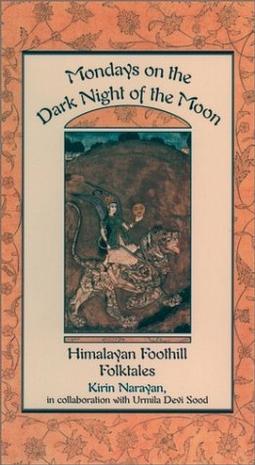
their tales. In this innovative book, Indian-American anthropologist Kirin Narayan reproduces twenty-one folktales narrated in a mountain dialect by a middle-aged Indian village woman, Urmila Devi Sood, or "Urmilaji." The tales are set within the larger story of Kirin Narayan's research in the
Himalayan foothill region of Kangra, and of her growing friendship with Urmilaji Sood. In turn, Urmilaji Sood supplements her tales with interpretations of the wisdom that she discerns in their plots. At a moment when the mass-media is flooding through rural India, Urmilaji Sood asserts the value of
her tales which have been told and retold across generations. As she says, "Television can't teach you these things."
These tales serve as both moral instruction and as beguiling entertainment. The first set of tales, focussing on women's domestic rituals, lays out guidelines for female devotion and virtue. Here are tales of a pious washerwoman who brings the dead to life, a female weevil observing fasts for a
better rebirth, a barren woman who adopts a frog and lights ritual oil lamps, and a queen who remains with her husband through twelve arduous years of affliction. The women performing these rituals and listening to the accompanying stories are thought to bring good fortune to their marriages, and
long life to their relatives. The second set of tales, associated with passing the time around the fire through long winter nights, are magical adventure tales. Urmilaji Sood tells of a matchmaker who marries a princess off to a lion, God splitting a boy claimed by two families into two selves, a
prince's journey to the land of the demons, and a girl transformed into a bird by her stepmother.
In an increasingly interconnected world, anthropologists' authority to depict and theorize about distant people's lives is under fire. Kirin Narayan seeks solutions to this crisis in anthropology by locating the exchange of knowledge in a respectful, affectionate collaboration. Through the medium
of oral narratives, Urmilaji Sood describes her own life and lives around her, and through the medium of ethnography Kirin Narayan shows how broader conclusions emerge from specific, spirited interactions. Set evocatively amid the changing seasons in a Himalayan foothill village, this pathbreaking
book draws a moving portrait of an accomplished woman storyteller. Mondays on the Dark Night of the Moon offers a window into the joys and sorrows of women's changing lives in rural India, and reveals the significance of oral storytelling in nurturing human ties.
作者简介
目录信息
读后感
用户评价
老实说,这本书的文字密度非常高,初读时需要集中全部的精力去捕捉那些隐藏在华丽辞藻下的真正含义。它不像现在市面上流行的那些快餐式读物,它要求读者付出时间和心力去“挖掘”。作者的句法结构非常复杂,常常使用长句和倒装,这迫使我不得不放慢语速,逐字逐句地咀嚼。这种阅读过程本身,变成了一种仪式。最让我印象深刻的是作者对“时间”这个抽象概念的处理,它不是线性的,而是像一个盘绕的藤蔓,过去、现在、未来在特定的场景中会发生诡异的交叠和共振。我感觉自己像是一个考古学家,在清理一块被尘封已久的碑文,每一次拂去表面的浮土,都会发现新的铭文和更深层次的寓意。那种智力上的挑战和最终豁然开朗的喜悦感,是其他许多作品难以提供的。对于那些追求纯粹情节刺激的读者来说,这本书或许会显得有些晦涩,但对于热爱语言艺术和哲学思辨的爱好者来说,这无疑是一场盛宴。
评分这本书的开篇就牢牢抓住了我的注意力,那种独特的叙事节奏感,像是一艘老旧的蒸汽船,在迷雾弥漫的海面上缓缓前行,每一次呼吸都带着一种历史的厚重感。作者对于环境的描绘简直是教科书级别的,那些古老建筑的斑驳墙壁、潮湿的空气中弥漫着的苔藓气味,都仿佛触手可及。我尤其欣赏作者处理角色内心冲突的方式,那种克制而又暗流涌动的表达,让人物的挣扎显得格外真实和引人共鸣。主角的每一次选择,都像是在一张巨大的、看不清边际的棋盘上落下一枚棋子,每一步都似乎充满了无可避免的宿命感,却又在细微之处透露出人性的微光和不屈。这种对“必然性”与“自由意志”之间界限的探讨,贯穿始终,让人在阅读过程中不断停下来深思。阅读体验是沉浸式的,仿佛我不是在读一个故事,而是被邀请去体验一段已被时间打磨过的生命历程。情节的推进虽然不是那种爆炸性的,而是像冰川融化一样缓慢而坚定,但正是这种张力,让最终的爆发显得更加有力且震撼人心,留下的回味无穷无尽。
评分从技术层面来看,作者对叙事视角的切换处理得炉火纯青,简直是大师级的操作。它在全知视角和第一人称的局限视角之间游走,却始终保持着一种令人信服的连贯性。你会感觉自己被带着在不同的意识流中穿梭,一会儿是局外人冷眼旁观,一会儿又完全沉浸于角色的极度主观体验中。这种交替使用,极大地增强了故事的层次感和不可预测性。我特别赞赏作者在处理信息“留白”上的艺术,他从不把话说死,而是留下足够的空间让读者的想象力去填补那些未被言明的恐怖或宏大场景。这使得每个读者都能构建出自己独一无二的阅读体验,你的“想象中的画面”可能和别人的完全不同,但都同样真实。这本书更像是一块结构复杂的交响乐谱,需要你用心去“听”那些没有被写出来的休止符,那才是真正充满力量的地方。
评分这本书的气质非常独特,它成功地营造了一种融合了古典浪漫主义的忧郁和现代主义的疏离感的氛围。阅读时,我脑海中不断浮现出一些古典油画的场景,那种低沉的色调,那种对形体和光影的精妙把握,都与文字的质感高度吻合。作者似乎对美学有着近乎偏执的追求,即使是描写最丑陋、最残破的事物,他也能从中提炼出一种扭曲而迷人的诗意。这本书不是用来“消磨时间”的,它是用来“占用时间”的,一旦你进入它的世界,外界的一切喧嚣都会被自动屏蔽。它像一个精心制作的迷宫,里面布满了陷阱,但每一个陷阱本身都是一件精美的艺术品。我欣赏作者的勇气,敢于挑战传统叙事模式,去探索那些晦暗、复杂、难以名状的人类经验。这是一本需要反复阅读、并随着人生阅历增长而不断有新发现的作品,它经得起时间的考验。
评分这本书带来的情感冲击是微妙而持久的,它不是那种让你痛哭流涕的直白煽情,而是像微小的、持续不断的电流,在你心底深处轻轻撩拨。它探讨的主题是关于“遗忘”与“铭记”之间的永恒拉锯战,以及个体记忆在宏大历史背景下的脆弱性。作者笔下的世界观设定非常独特,充满了符号学意义上的象征,每一个道具、每一处景致似乎都承载着某种不言而喻的重量。我特别喜欢作者处理人物关系的方式,没有清晰的好坏之分,所有角色都站在道德光谱的灰色地带挣扎求生,他们的动机复杂、相互矛盾,却又在某些关键时刻展现出令人心碎的善良。这种对人性的深刻洞察,让我对自己的生活和人际关系产生了一些新的反思。读完合上书的那一刻,房间里的灯光似乎都变得柔和了一些,世界仿佛被重新校准过,带上了一层作者特有的、略显忧郁的滤镜。
评分尽管Prof Narayan说这些都只是故事,然而,我还是觉得印度的文化很多时候都印象了整个故事的走向。有些还是让人很心有余悸的。
评分尽管Prof Narayan说这些都只是故事,然而,我还是觉得印度的文化很多时候都印象了整个故事的走向。有些还是让人很心有余悸的。
评分尽管Prof Narayan说这些都只是故事,然而,我还是觉得印度的文化很多时候都印象了整个故事的走向。有些还是让人很心有余悸的。
评分尽管Prof Narayan说这些都只是故事,然而,我还是觉得印度的文化很多时候都印象了整个故事的走向。有些还是让人很心有余悸的。
评分尽管Prof Narayan说这些都只是故事,然而,我还是觉得印度的文化很多时候都印象了整个故事的走向。有些还是让人很心有余悸的。