
具体描述
Book Review
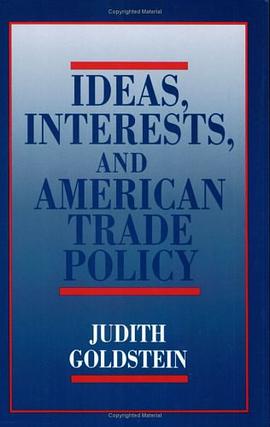
ORBIS, Summer, 1994 by Patrick Clawson
We appear to be living in an age in which the foreign policy of the United States is more a matter of buying and selling this and that than safeguarding and advancing the national interest as more broadly and traditionally conceived. The present incumbent in the White House emphasizes economic renewal at home as the best guarantee of true American security, and in the actual pursuit of foreign affairs seems to summon enthusiasm for study or action primarily when U.S. techno-wonders are to be hawked. Now that Mr. Clinton has traded the battle fleet for the costermonger's wagon, what, if anything, does the academy have to say to us about such a state of affairs concerning the affairs of state? Surprisingly, quite a lot.
This may seem a whimsical conclusion at first blush. After all, contemporary debates among experts on international economic policy descend into the mind-numbing minutiae of econometric models: How many jobs will NAFTA create or destroy? How much will the U.S. trade deficit with Japan shrink if the dollar trades at 100 yen instead of 120? How much are Japan's imports reduced by administrative regulations? Economists strain to answer such questions with an air of scientific accuracy in order to bolster their authority, even though science is not exactly what they're up to. To be sure, economists surge forward defending their myriad models, each purporting to show definitive results, but each model coincides parsimoniously with the political inclinations of the statistician.
Advertisement
Therefore, statistical studies do not provide a fully satisfactory method to decide among alternative international economic policies, or to probe the contemporary link between economic goals and political ambition. But the two books reviewed here veritably do. Judith Goldstein's Ideas, Interests, and American Trade Policy and Beth Simmons's Who Adjusts? Domestic Sources of Foreign Policy during the Interwar Years are not strictly economic analyses. Rather, they are excursions in economic history. Both authors are honest historians, each one far enough removed from present confabulations to examine the past on its own terms. Neither seems particularly interested in making points about contemporary debates; they are rather more disposed to expend energy to show that economic history can illuminate the way forward. Ironically, this lack of interest in contemporary matters is probably the best guarantee of contemporary utility, partly because it is only by stepping back that one appreciates economics as one of the human sciences, having far more in common with sociology and cultural anthropology than the current crop of macroeconomists would have us believe.
Goldstein's choice of venue is the history of the choice between free trade and various forms of protectionism. Her thesis is that, even in this most material of materialist domains, trade policy is determined by ideas as well as by interests. She disputes the conventional argument that the nineteenth-century American debate between protectionists and free-traders reflected sectional interests, with the industrial northeast wanting to shelter its infant industries and the agricultural south wanting cheap manufactured goods.
Her key historical example is the protectionist policy of the Republican Party from the Civil War through the Depression. The Republicans originally adopted protectionism in the belief that it served the interests of free labor, their core constituency of the period. By the 1890s, protectionism dearly worked against America's narrow and immediate material interest: as the world's major manufacturing nation, the United States could have used freer trade to expand its sales abroad without worrying overly much that foreign competition would displace workers at home. Goldstein argues that while protectionism was not the optimal policy for this period, it did not interfere much with domesticially based American growth and, therefore, politicians were not forced to think through the consequences of their traditional stance. When economic problems grew acute during the Depression, the first impulse of beseiged politicians was to reinforce their long-time policy stance--that is, to reinforce protectionism--rather than to consider whether a new set of policies was appropriate. In short, the qualities inherent in the structure of ideas, with all their arational cognitive coping mechanisms, far better explain what actually occurred than do changes in the balance of forces among various material interests.
But ideas alone do not determine policy. Goldstein demonstrates that economists came to a broad consensus in favor of free trade decades before public policy changed in that direction. She argues that economic theories were long unable to influence public policy because they were too abstract and because economists commanded little respect. The eventual change in policy came from a marrying of the pro-free trade intellectual position with the practical needs of politicians: Franklin Roosevelt's desire to expand the powers of the presidency made him eager to gain authority to negotiate reciprocal agreements lowering tariffs, and this in turn launched the process of trade liberalization.
作者简介
目录信息
读后感
Idea, idea, idea,千万不要觉得伸手不可及,哪怕是200年前的idea,通过制度与机构仍然在影响着贸易政策的制定与出台,不同时代的idea也在历史的这一刻通过他们不同的代理机构与规则进行博弈
评分Idea, idea, idea,千万不要觉得伸手不可及,哪怕是200年前的idea,通过制度与机构仍然在影响着贸易政策的制定与出台,不同时代的idea也在历史的这一刻通过他们不同的代理机构与规则进行博弈
评分Idea, idea, idea,千万不要觉得伸手不可及,哪怕是200年前的idea,通过制度与机构仍然在影响着贸易政策的制定与出台,不同时代的idea也在历史的这一刻通过他们不同的代理机构与规则进行博弈
评分Idea, idea, idea,千万不要觉得伸手不可及,哪怕是200年前的idea,通过制度与机构仍然在影响着贸易政策的制定与出台,不同时代的idea也在历史的这一刻通过他们不同的代理机构与规则进行博弈
评分Idea, idea, idea,千万不要觉得伸手不可及,哪怕是200年前的idea,通过制度与机构仍然在影响着贸易政策的制定与出台,不同时代的idea也在历史的这一刻通过他们不同的代理机构与规则进行博弈
用户评价
《Ideas, Interests and American Trade Policy》这个书名,一开始就牢牢抓住了我的注意力,因为它触及了理解美国对外经济关系的核心要素——那些驱动决策的思想观念,以及那些影响政策制定的实际利益。我预感这不会是一本简单的政策手册,而是一次深入的学术探索,旨在揭示贸易政策背后更深层次的逻辑。 我设想着,作者会从一个宏观的视角出发,将美国贸易政策置于更广阔的历史和社会背景下进行审视。这本书很可能要探讨的是,美国在不同历史时期,如何在其国内的思潮涌动与多元利益的博弈中,逐步形成并调整其对外贸易的策略。我期待看到的是,那些曾经盛极一时的经济学理论,比如亚当·斯密的自由贸易思想,或者亚历山大·汉密尔顿的重商主义观点,是如何在美国的政策制定者心中生根发芽,并最终转化为具体的贸易法规和国际谈判的筹码。 更具体地说,我希望书中能够对“思想”的来源和传播进行细致的分析。它不仅仅是指经济学家提出的学术理论,也可能包含了政治家提出的宏大愿景,甚至是社会运动所倡导的理念。例如,在历史上,进步主义思潮是如何影响了早期美国的反垄断和消费者权益保护的?又或者,冷战时期的意识形态竞争,是如何塑造了美国对外援助和贸易开放的政策导向?我希望作者能够提供具体的历史案例,来说明这些“思想”是如何被辩论、传播,并最终影响政策走向的。 同时,我也对书中关于“利益”的阐述抱有极大的兴趣。这里的“利益”绝非仅仅是企业主追求利润的简单集合。我期待作者能够呈现出一个更加复杂和 nuanced 的利益景观,包括但不限于:不同产业部门(如农业、制造业、科技业)之间的利益分歧;不同地区(如沿海与内陆、工业化与欠发达地区)的经济诉求;劳工组织、环保团体、消费者权益组织等非营利性社会力量的影响力;以及国内政治精英和特殊利益集团在游说和政策制定过程中的角色。 在我看来,这本书的关键之处在于,它如何将“思想”与“利益”这两个看似独立却又紧密交织的变量,置于“美国贸易政策”这个动态的变量之中进行考察。例如,当自由贸易思想占据主导地位时,哪些具体的利益集团从中获益,又有哪些利益集团受到了冲击?反之,当保护主义的思潮抬头时,又是由哪些利益诉求在背后推动?我希望书中能够提供一些具体的政策事件或谈判过程,作为分析的切入点,来揭示“思想”与“利益”之间错综复杂的关系。 我特别期待书中能够探讨“利益集团”是如何运作的。它们是如何组织起来的?如何通过政治献金、政策游说、媒体宣传等多种方式来影响政策制定的?例如,在某些关键的贸易协定谈判过程中,究竟是哪些利益集团在幕后发挥了主导作用?它们的诉求是如何被纳入最终的政策文本的?我希望作者能够对此进行深入的剖析,提供一些案例研究,来展现这种机制的实际运作。 此外,我也希望这本书能够为理解“美国”这个概念本身提供新的视角。美国的贸易政策,是否总是代表着一个统一的“美国”意志,或者说,它更是国内不同力量之间不断妥协与博弈的产物?作者是否会探讨,在不同的历史时期,美国在全球经济体系中的定位是如何变化的,以及这种定位的变化是如何影响其贸易政策的“思想”基础和“利益”诉求的? 我对书中对“思想”的建构和传播方式的探讨也充满好奇。它是否会涉及到媒体、学术界、智库在塑造公众认知和政策辩论中的作用?“思想”的演变往往是潜移默化的,而“利益”的诉求则可能更加急迫和具体。作者是否能够描绘出这种思想的传播与利益的驱动之间的互动关系,例如,某些利益集团是否会主动资助学术研究或媒体报道,来推广符合其利益的“思想”? 我最期待的是,这本书能够提供一些具有深远意义的见解。贸易政策的制定往往受到各种因素的交织影响,而《Ideas, Interests and American Trade Policy》这个书名,预示着作者试图揭示那些隐藏在表象之下的更深层次的驱动力。这本书可能不会给出简单的答案,但一定会引发读者进行更深入的思考。 我希望这本书能够帮助我更好地理解,在瞬息万变的全球经济格局中,美国如何在其国内的各种“思想”和“利益”之间进行权衡,并最终塑造出其在全球贸易舞台上的行动。这无疑是一项极具挑战性的研究课题,而我期待着,作者能够在这本书中为我们呈现出一幅清晰而深刻的画卷。
评分The title, "Ideas, Interests and American Trade Policy," resonated with me immediately, suggesting a rigorous academic undertaking that aims to unravel the core components shaping the United States' approach to international commerce. It implied a journey beyond mere policy descriptions, seeking to illuminate the foundational beliefs and practical pressures that dictate America's trade decisions. My initial impression was one of anticipation for a deeply insightful and comprehensive analysis. I envisioned the book commencing with a broad historical overview, meticulously tracing the evolution of American trade policy across significant periods. I imagined the author detailing how early debates on tariffs and infant industries evolved into the post-war commitment to multilateral free trade. The narrative, I suspected, would likely highlight key historical junctures – moments of protectionist resurgence, the establishment of international trade institutions, and the transformative impact of globalization – and critically examine how prevailing "ideas" and shifting economic "interests" converged to drive policy shifts. A substantial part of my anticipation centered on the author's treatment of "ideas." I conceived of this as encompassing not only formal economic theories but also broader ideological currents and national aspirations. The book might explore how concepts of American exceptionalism, the pursuit of global economic leadership, or the perceived imperative of national security have influenced trade policy decisions. I expected to see how these ideas were articulated, debated, and ultimately woven into the fabric of policy-making through academic discourse, political rhetoric, and public discourse. Concurrently, the "interests" component promised a detailed examination of the tangible forces at play. I predicted a nuanced portrayal of these interests, moving beyond simplistic notions of corporate profit maximization. This would likely involve dissecting the lobbying efforts of various industry sectors, such as agriculture, manufacturing, and technology, and understanding how they articulated their specific demands. The influence of organized labor, consumer advocacy groups, and regional economic disparities on trade policy outcomes was also something I anticipated the book would address. The crucial intellectual challenge, I believed, would be the author's capacity to synthesize these two fundamental elements – "ideas" and "interests" – within the context of "American trade policy." How did abstract intellectual frameworks provide justification or impetus for the pursuit of specific economic agendas? Conversely, how did the tangible demands of powerful economic stakeholders shape the interpretation and adoption of prevailing "ideas"? I was eager for case studies that would vividly illustrate this dynamic relationship, perhaps by analyzing the intricate debates surrounding major trade agreements or specific tariff disputes. I harbored a particular curiosity about the mechanisms through which "interests" are translated into policy. This might involve an in-depth look at the legislative process, the role of campaign finance, and the influence of think tanks and advocacy organizations. The book, I imagined, would provide concrete examples of how specific interest groups have successfully leveraged their resources and influence to shape trade policy, perhaps by examining the power dynamics within congressional committees or the negotiation strategies employed by trade representatives. The "American" aspect of the title also hinted at a rich area of inquiry. I expected the author to consider how America's unique political system, its historical development, and its evolving role in the global order have influenced both the "ideas" it embraced and the "interests" it prioritized. Was American trade policy a monolithic expression of national will, or a complex product of internal negotiations and compromises among diverse domestic constituencies? I envisioned a discussion on how America's self-perception as a leader in the global economy shaped its trade policy orientation. Furthermore, I was keen to see how the book addressed the broader social and cultural factors that shape "ideas" about trade. This might involve an exploration of how media narratives, educational systems, and public discourse contribute to the formation and evolution of economic thought. The way in which ingrained national aspirations or perceptions of global responsibility might inform trade policy was a facet I looked forward to seeing explored. Ultimately, my expectation for "Ideas, Interests and American Trade Policy" was that it would provide a comprehensive and analytically robust framework for understanding the multifaceted drivers of American trade policy. I looked forward to a work that would not only illuminate the past but also offer critical insights into the ongoing evolution of global commerce and America's pivotal role within it.
评分这本书的标题,Ideas, Interests and American Trade Policy,本身就带着一种学术的严谨和探究的深度。我抱着一种极大的好奇心开始阅读,希望能够深入理解那些塑造了美国贸易政策的复杂力量。我期待着作者能够将抽象的“思想”(Ideas)与具体的“利益”(Interests)这两个看似矛盾却又紧密相连的概念,在“美国贸易政策”(American Trade Policy)这个宏大的框架下进行细致入微的剖析。 在我最初的设想中,这本书很可能要从历史的角度出发,追溯美国贸易政策的演变轨迹。也许作者会详细阐述不同历史时期,例如建国初期、工业革命时期、两次世界大战之间,乃至冷战后的全球化浪潮中,思想潮流如何转变,以及这些转变是如何与国内外的经济利益集团博弈,最终催生出不同的贸易战略。我设想着,书中或许会通过大量的案例研究,比如关税壁垒的设立与废除、自由贸易协定的签署与协商、产业保护主义的兴衰等等,来印证其理论框架。 更进一步,我猜测作者可能会深入探讨“思想”如何在政策制定者、经济学家、产业领袖以及普通民众的心中扎根,并最终转化为具体的政策倡议。例如,重商主义、自由贸易主义、保护主义、公平贸易等不同的经济思想,它们各自的逻辑基础、支持群体以及在不同历史节点上的兴衰起伏,都可能成为书中重要的论述内容。同时,我也希望看到作者如何解释,当“思想”与“利益”发生冲突时,哪一方更具有决定性,或者说,它们之间是否存在某种动态的平衡与妥协。 我对于书中如何描绘“利益”的构成充满了期待。这不仅仅是指大企业的逐利行为,更可能包括了不同行业协会的游说、劳工组织的诉求、消费者权益的考量,甚至是地方政府和区域经济体的特殊利益。作者是否能够呈现出一个多层次、多维度的利益格局,并且说明这些不同利益体是如何通过政治渠道影响贸易政策的制定?我想象着,书中可能会对“利益集团”的定义和运作方式进行深入的解读,例如它们如何组织、如何融资、如何影响立法过程。 从“美国贸易政策”这个具体层面来看,我希望作者能够提供一些具体的政策分析。这本书是否会聚焦于某几个标志性的贸易协定,比如北美自由贸易协定(NAFTA)、跨太平洋伙伴关系协定(TPP),或者是最近的中美贸易争端?作者是否能够透过这些具体的案例,揭示出“思想”与“利益”在这其中的具体作用机制?我想象着,对于每一个重要的贸易决策,书中都会有一段详细的背景介绍,分析当时的国内外政治经济环境,以及各种思想和利益博弈的细节。 此外,我对书中关于“思想”如何被构建和传播的方式也很好奇。是否会探讨媒体、学术界、智库在塑造公众舆论和政策讨论中的作用?“思想”的演变往往是缓慢而渐进的,而“利益”的诉求则可能更加直接和即时。作者是否能够描绘出这种思想传播与利益驱动之间的互动关系,例如,某些利益集团是如何通过资助学术研究或媒体宣传来推广符合其利益的思想的? 我还对书中对“美国”这个概念本身的理解抱有兴趣。这种贸易政策是单一的“美国”意志的体现,还是国内不同派别、不同利益群体之间妥协与斗争的产物?作者是否会探讨美国在不同历史时期所扮演的全球经济角色,以及这种角色转变对贸易政策的影响?例如,从早期相对孤立的经济体,到二战后主导建立布雷顿森林体系,再到如今面临日益复杂的全球化挑战,这些变化是否都与“思想”和“利益”的互动紧密相关? 我期待着这本书能够提供一些超越表面现象的洞见。很多时候,我们看到的贸易政策似乎是基于经济逻辑或国家利益,但背后可能隐藏着更深层次的思想驱动或者利益算计。作者是否能够剥开层层迷雾,让我们看到那些不易察觉但却至关重要的因素?这可能涉及到对美国政治体制、文化传统以及意识形态的深入理解。 当然,我也希望这本书能够提供一些对未来的启示。在全球贸易格局正在经历深刻调整的当下,理解过去美国贸易政策的形成机制,对于我们预测未来的走向,以及思考全球贸易治理的可能方向,都具有重要的参考价值。作者是否会就此提出一些建设性的观点,或者引发读者进行更深入的思考? 最后,这本书的标题也暗示了其研究方法的严谨性。我期望书中会清晰地界定“Ideas”和“Interests”的内涵,并提供一套系统性的分析框架。我相信,通过对这两个核心概念的深入剖析,作者能够为理解美国贸易政策这一复杂议题提供一个新的视角和更深刻的认识。我期待着,这本书能够成为我在理解美国贸易政策方面的一本重要参考书。
评分When I saw the title, "Ideas, Interests and American Trade Policy," I was immediately drawn in by its promise of a comprehensive exploration into the very foundations of how the United States conducts its trade. It suggested a scholarly approach, one that delves beyond surface-level policies to uncover the underlying intellectual currents and the very real economic forces at play. My initial expectation was that this book would offer a sophisticated analysis, moving beyond simple narratives to unpack the complex interplay of concepts and practical concerns that shape American trade decisions. I anticipated that the author would likely embark on a historical journey, tracing the evolution of American trade policy through different eras. I envisioned detailed accounts of how prevailing economic philosophies—whether it be laissez-faire liberalism, protectionism, or mercantilism—took root in the American consciousness and how these intellectual shifts were intertwined with the changing economic landscape and the rise and fall of various industrial sectors. The book, I surmised, would probably draw upon significant historical events, such as the Smoot-Hawley Tariff Act, the establishment of the General Agreement on Tariffs and Trade (GATT), and the negotiation of modern free trade agreements, to illustrate these overarching themes. Furthermore, I imagined the author would meticulously dissect the concept of "ideas" in shaping policy. This might involve examining how influential economists, political thinkers, or even public intellectuals articulated visions for America's role in the global economy, and how these ideas, through academic discourse, political debate, and public opinion, gradually influenced the policy-making apparatus. I wondered if the book would explore how specific "ideas," such as the notion of comparative advantage or the principle of reciprocity, became embedded in the American policymaking lexicon and guided strategic decisions. On the other hand, the "interests" component of the title suggested a crucial focus on the tangible economic forces that drive policy. I expected a nuanced depiction of these interests, moving beyond a simplistic view of corporate greed. This could include detailed examinations of how different industry lobbies, such as those representing agriculture, manufacturing, or technology, articulated their demands and exerted influence. I also anticipated an exploration of how labor unions, consumer advocacy groups, and regional economic blocs presented their unique interests and how these diverse voices were incorporated, or perhaps marginalized, in the policy-making process. A key aspect I eagerly looked forward to was the author's ability to weave together the threads of "ideas" and "interests" within the framework of "American trade policy." How did abstract intellectual frameworks translate into concrete policy objectives that served particular economic agendas? For instance, during periods of strong free trade advocacy, which specific sectors or groups stood to gain, and how were their interests framed within the prevailing intellectual discourse? Conversely, when protectionist sentiments gained traction, what were the underlying economic grievances and the intellectual justifications used to support them? I hoped for in-depth case studies that would illuminate this dynamic relationship. I was particularly keen to understand the mechanics of how "interests" are represented and how they translate into policy outcomes. This might involve an exploration of lobbying efforts, campaign finance, and the influence of think tanks and advocacy groups. The book, I hoped, would provide concrete examples of how specific interest groups successfully advocated for their agendas, perhaps by analyzing the legislative battles surrounding major trade bills or the negotiation strategies employed in international trade forums. The "American" aspect of the title also held significant promise. I expected the author to explore how internal political dynamics, the structure of the American government, and the nation's evolving global role influenced both the ideas that gained currency and the interests that were prioritized. Was American trade policy a monolithic expression of national interest, or a reflection of a complex internal consensus-building (or lack thereof) process? I envisioned a discussion on how America's position as a superpower, its commitment to democratic ideals, and its economic might all contributed to shaping its trade policy outlook. Moreover, I was curious about how the book would address the dissemination and evolution of "ideas" themselves. Did the author explore the role of media, academia, and public discourse in shaping the intellectual landscape surrounding trade? The interplay between the slow evolution of fundamental economic thought and the more immediate demands of powerful economic interests was something I keenly awaited the author's perspective on. Ultimately, my expectation was that this book would offer a profound and insightful understanding of American trade policy, moving beyond simplistic explanations to reveal the intricate web of intellectual currents and economic forces that have shaped its trajectory. I hoped for a work that would not only inform but also provoke critical thinking about the nature of international trade and America's place within it. This was precisely the kind of rigorous and insightful analysis I was seeking.
评分The title, "Ideas, Interests and American Trade Policy," immediately piqued my curiosity, suggesting a sophisticated exploration into the driving forces behind U.S. commercial strategies. It promised a departure from superficial analyses, hinting at a deep dive into the complex interplay of intellectual currents and economic realities that shape policy. My initial impression was that this would be a deeply researched and intellectually stimulating work. I envisioned the book beginning with a broad historical sweep, charting the evolution of American trade policy across significant epochs. I imagined the author meticulously detailing how early debates on protectionism and industrial development gradually gave way to the post-war embrace of free trade principles. The narrative, I suspected, would highlight key historical junctures – periods of protectionist surges, the establishment of international trade bodies, and the impact of globalization – and analyze how prevailing "ideas" and shifting economic "interests" coalesced to drive policy changes. A significant portion of my anticipation revolved around the author's treatment of "ideas." I anticipated this encompassing not only formal economic theories but also broader ideological currents that have shaped America's global outlook. The book might delve into how concepts of liberty, national economic security, or the promotion of democracy abroad have influenced trade policy decisions. I expected to see how these ideas were articulated, debated, and ultimately integrated into the policy-making process through academic discourse, political rhetoric, and public opinion. Concurrently, the "interests" component suggested a thorough examination of the tangible forces at play. I predicted a nuanced portrayal of these interests, moving beyond simplistic notions of corporate profit maximization. This would likely involve dissecting the lobbying efforts of various industry sectors, such as agriculture, manufacturing, and technology, and understanding how they articulated their specific demands. The influence of organized labor, consumer advocacy groups, and regional economic disparities on trade policy outcomes was also something I anticipated the book would address. The critical intellectual challenge, I believed, would be the author's capacity to synthesize these two fundamental elements – "ideas" and "interests" – within the context of "American trade policy." How did abstract intellectual frameworks provide justification or impetus for the pursuit of specific economic agendas? Conversely, how did the tangible demands of powerful economic stakeholders shape the interpretation and adoption of prevailing "ideas"? I was eager for case studies that would vividly illustrate this dynamic relationship, perhaps by analyzing the intricate debates surrounding major trade agreements or specific tariff disputes. I harbored a particular curiosity about the mechanisms through which "interests" are translated into policy. This might involve an in-depth look at the legislative process, the role of campaign finance, and the influence of think tanks and advocacy organizations. The book, I imagined, would provide concrete examples of how specific interest groups have successfully leveraged their resources and influence to shape trade policy, perhaps by examining the power dynamics within congressional committees or the negotiation strategies employed by trade representatives. The "American" aspect of the title also hinted at a rich area of inquiry. I expected the author to consider how America's unique political system, its historical development, and its evolving role in the global order have influenced both the "ideas" it embraced and the "interests" it prioritized. Was American trade policy a monolithic expression of national will, or a complex product of internal negotiations and compromises among diverse domestic constituencies? I envisioned a discussion on how America's self-perception as a leader in the global economy shaped its trade policy orientation. Furthermore, I was keen to see how the book addressed the broader social and cultural factors that shape "ideas" about trade. This might involve an exploration of how media narratives, educational systems, and public discourse contribute to the formation and evolution of economic thought. The way in which ingrained national aspirations or perceptions of global responsibility might inform trade policy was a facet I looked forward to seeing explored. Ultimately, my expectation for "Ideas, Interests and American Trade Policy" was that it would provide a comprehensive and analytically robust framework for understanding the multifaceted drivers of American trade policy. I looked forward to a work that would not only illuminate the past but also offer critical insights into the ongoing evolution of global commerce and America's pivotal role within it.
评分The very title, "Ideas, Interests and American Trade Policy," struck me as elegantly dissecting a fundamental puzzle: how do abstract notions and concrete gains coalesce to define a nation's approach to global commerce? It promised a work that would move beyond mere chronological accounts of trade agreements and tariffs, venturing instead into the intellectual and economic underpinnings of policy. My initial impression was that this book would be a rigorous, perhaps even seminal, exploration of American trade's driving forces. I harbored a strong expectation that the book would commence with a sweeping historical panorama, tracing the evolution of American trade policy through distinct epochs. I could envision chapters dedicated to the early republic's debates on tariffs and nascent industries, the Industrial Revolution's impact on protectionist sentiments, and the post-World War II era's commitment to multilateral free trade. The author, I supposed, would meticulously document how prevailing economic philosophies – perhaps rooted in classical liberalism, Keynesian economics, or more pragmatic approaches – were adopted, debated, and ultimately translated into actionable policy. A substantial portion of my anticipation rested on how the author would delineate and analyze the concept of "ideas." I imagined this extending beyond pure economic theory to encompass broader ideological currents, such as Manifest Destiny's influence on westward expansion and its indirect implications for trade, or the post-Cold War emphasis on globalization as a democratizing force. The book, I surmised, might explore how key thinkers, politicians, and even influential journalists articulated compelling narratives about America's economic destiny and how these narratives shaped public perception and policy agendas. Equally compelling was the "interests" dimension. I anticipated a sophisticated portrayal of the diverse and often competing economic factions that vie for influence. This would likely involve dissecting the lobbying efforts of powerful industry associations – perhaps the agricultural sector advocating for subsidies, or high-tech firms pushing for intellectual property protection. Furthermore, I expected an examination of how organized labor groups articulated their concerns about job security and fair wages in the face of international competition, and how consumer advocacy groups factored into the equation. The true intellectual heavy lifting, I believed, would lie in the author's ability to demonstrate the intricate dance between "ideas" and "interests" in the formation of "American trade policy." How did abstract notions of free markets serve to legitimize the pursuit of specific economic gains by certain groups? Conversely, how did the tangible demands of powerful industries shape the intellectual justifications presented for protectionist measures? I was eager for case studies that would illuminate this dynamic interplay, perhaps by dissecting the legislative battles over contentious trade agreements. I harbored a particular curiosity about the mechanisms through which "interests" are articulated and influence policy. This might entail an in-depth look at the role of think tanks in framing policy debates, the impact of campaign finance on legislative priorities, and the strategies employed by corporate lobbyists. The book, I imagined, would provide concrete examples of how specific interest groups have successfully leveraged their resources and influence to steer trade policy in their favor, potentially examining the influence of corporate chieftains or industry titans. The "American" aspect of the title also hinted at a rich area of inquiry. I expected the author to consider how America's unique political structure, its historical commitment to certain ideals, and its evolving position in the global hierarchy have shaped its trade policy discourse. Was American trade policy a monolithic entity, or a product of constant negotiation and compromise among disparate domestic constituencies? I envisioned a discussion on how America's self-perception as a global leader, and its role in shaping international economic institutions, contributed to its distinct approach to trade. Furthermore, I was intrigued by the potential for the book to explore the broader societal forces that shape "ideas" about trade. This might involve examining the influence of media narratives, educational curricula, and public opinion polls in molding the intellectual landscape. The way in which deeply ingrained cultural values or national aspirations might influence economic thought and, in turn, trade policy, was a facet I was keen to see explored. Ultimately, my expectation for "Ideas, Interests and American Trade Policy" was that it would offer a comprehensive and insightful analytical framework, shedding light on the complex interplay of intellectual currents and economic pressures that have defined America's engagement with the world of trade. I anticipated a work that would not only deepen my understanding but also stimulate further contemplation on the future of global commerce and America's enduring role within it.
评分The title, "Ideas, Interests and American Trade Policy," immediately conveyed a sense of academic rigor and a promise to dissect the very foundations of U.S. trade strategy. It suggested an exploration that would move beyond simplistic policy descriptions to uncover the intellectual currents and economic pressures that shape these decisions. My initial impression was one of anticipation for a deeply insightful and comprehensive analysis. I envisioned the book commencing with a broad historical overview, meticulously tracing the evolution of American trade policy across significant periods. I imagined the author detailing how early debates on protectionism and industrial development gradually gave way to the post-war embrace of free trade principles. The narrative, I suspected, would likely highlight key historical junctures – moments of protectionist resurgence, the establishment of international trade bodies, and the impact of globalization – and critically examine how prevailing "ideas" and shifting economic "interests" converged to drive policy changes. A significant part of my anticipation revolved around the author's treatment of "ideas." I anticipated this encompassing not only formal economic theories but also broader ideological currents and national narratives. The book might delve into how concepts of American exceptionalism, the pursuit of global economic leadership, or the perceived imperative of national security influenced trade policy decisions. I expected to see how these ideas were articulated, debated, and ultimately integrated into the policy-making process through academic discourse, political rhetoric, and public opinion. Concurrently, the "interests" component promised a detailed examination of the tangible forces at play. I predicted a nuanced portrayal of these interests, moving beyond simplistic notions of corporate profit maximization. This would likely involve dissecting the lobbying efforts of various industry sectors, such as agriculture, manufacturing, and technology, and understanding how they articulated their specific demands. The influence of organized labor, consumer advocacy groups, and regional economic disparities on trade policy outcomes was also something I anticipated the book would address. The crucial intellectual challenge, I believed, would be the author's capacity to synthesize these two fundamental elements – "ideas" and "interests" – within the context of "American trade policy." How did abstract intellectual frameworks provide justification or impetus for the pursuit of specific economic agendas? Conversely, how did the tangible demands of powerful economic stakeholders shape the interpretation and adoption of prevailing "ideas"? I was eager for case studies that would vividly illustrate this dynamic relationship, perhaps by analyzing the intricate debates surrounding major trade agreements or specific tariff disputes. I harbored a particular curiosity about the mechanisms through which "interests" are translated into policy. This might involve an in-depth look at the legislative process, the role of campaign finance, and the influence of think tanks and advocacy organizations. The book, I imagined, would provide concrete examples of how specific interest groups have successfully leveraged their resources and influence to shape trade policy, perhaps by examining the power dynamics within congressional committees or the negotiation strategies employed by trade representatives. The "American" aspect of the title also hinted at a rich area of inquiry. I expected the author to consider how America's unique political system, its historical development, and its evolving role in the global order have influenced both the "ideas" it embraced and the "interests" it prioritized. Was American trade policy a monolithic expression of national will, or a complex product of internal negotiations and compromises among diverse domestic constituencies? I envisioned a discussion on how America's self-perception as a leader in the global economy shaped its trade policy orientation. Furthermore, I was keen to see how the book addressed the broader social and cultural factors that shape "ideas" about trade. This might involve an exploration of how media narratives, educational systems, and public discourse contribute to the formation and evolution of economic thought. The way in which ingrained national aspirations or perceptions of global responsibility might inform trade policy was a facet I looked forward to seeing explored. Ultimately, my expectation for "Ideas, Interests and American Trade Policy" was that it would provide a comprehensive and analytically robust framework for understanding the multifaceted drivers of American trade policy. I looked forward to a work that would not only illuminate the past but also offer critical insights into the ongoing evolution of global commerce and America's pivotal role within it.
评分The title, "Ideas, Interests and American Trade Policy," immediately suggested a scholarly exploration into the very essence of why nations engage in trade as they do. It promised a book that would delve beneath the surface of policies and agreements to uncover the fundamental motivations, both intellectual and pragmatic, that shape a nation's commercial interactions. My initial feeling was that this would be a rigorous and insightful analysis of a complex subject. I anticipated that the book would likely embark on a historical journey, tracing the evolution of American trade policy through its various stages. I pictured chapters detailing the early debates over tariffs, the impact of industrialization on protectionist sentiments, and the post-war embrace of multilateral trade liberalization. The author, I surmised, would meticulously examine how prevailing economic philosophies, from mercantilism to neoliberalism, were adopted and adapted by American policymakers, and how these intellectual shifts were often driven by changing economic circumstances. A significant part of my expectation revolved around the author's treatment of "ideas." I imagined this extending beyond formal economic theories to encompass broader ideological currents and national narratives. The book might explore how concepts of American exceptionalism, the pursuit of global economic leadership, or the perceived need for national security influenced trade policy decisions. I expected to see how these ideas were formulated, disseminated, and debated within the American political and intellectual landscape. Concurrently, the "interests" component promised a detailed examination of the concrete forces shaping policy. I anticipated a nuanced portrayal of these interests, recognizing their diversity and potential for conflict. This would likely involve dissecting the lobbying efforts of various industries, such as agriculture, manufacturing, and technology, and understanding how they articulated their demands. The influence of organized labor, consumer advocacy groups, and regional economic disparities on trade policy outcomes was also something I expected the book to address. The crucial intellectual task, I believed, would be the author's ability to weave together these two distinct but interconnected elements – "ideas" and "interests" – within the framework of "American trade policy." How did abstract intellectual justifications serve to legitimize the pursuit of specific economic gains by particular groups? Conversely, how did the tangible demands of powerful economic stakeholders influence the interpretation and adoption of prevailing "ideas"? I was eager for case studies that would illuminate this dynamic relationship, perhaps by analyzing the legislative battles surrounding significant trade agreements. I held a particular curiosity about the mechanisms through which "interests" are translated into policy. This might involve an in-depth look at the legislative process, the role of campaign finance, and the influence of think tanks and advocacy organizations. The book, I imagined, would provide concrete examples of how specific interest groups have successfully leveraged their resources and influence to shape trade policy, perhaps by examining the power dynamics within congressional committees or the negotiation strategies employed by trade representatives. The "American" aspect of the title also suggested a rich area of inquiry. I expected the author to consider how America's unique political system, its historical development, and its evolving role in the global order have influenced both the "ideas" it embraced and the "interests" it prioritized. Was American trade policy a monolithic expression of national will, or a complex product of internal negotiations and compromises among diverse domestic constituencies? I envisioned a discussion on how America's self-perception as a leader in the global economy shaped its trade policy orientation. Furthermore, I was keen to see how the book addressed the broader social and cultural factors that shape "ideas" about trade. This might involve an exploration of how media narratives, educational systems, and public discourse contribute to the formation and evolution of economic thought. The way in which ingrained national aspirations or perceptions of global responsibility might inform trade policy was a facet I looked forward to seeing explored. Ultimately, my expectation for "Ideas, Interests and American Trade Policy" was that it would provide a comprehensive and analytically robust framework for understanding the multifaceted drivers of American trade policy. I looked forward to a work that would not only illuminate the past but also offer critical insights into the ongoing evolution of global commerce and America's pivotal role within it.
评分The title, "Ideas, Interests and American Trade Policy," immediately signaled a deep dive into the foundational elements that drive national policy. It promised an exploration that would unravel the motivations, both intellectual and pragmatic, behind America's commercial engagements with the rest of the world. My initial thought was that this book would be a scholarly endeavor, meticulously charting the complex landscape where abstract principles meet tangible economic realities. I envisioned the book opening with a broad historical sweep, charting the evolution of American trade policy through its defining eras. I anticipated a detailed account of how early debates surrounding tariffs and nascent industries gave way to the embrace of free trade principles in the post-war period. The author, I presumed, would likely examine pivotal moments – the Smoot-Hawley Tariff's perceived impact, the Bretton Woods system's establishment, and the subsequent waves of globalization – and analyze how prevailing "ideas" and shifting economic "interests" intertwined to shape policy at these junctures. A significant part of my anticipation centered on the author's treatment of "ideas." I imagined this encompassing not just formal economic doctrines, but also broader philosophical underpinnings related to national sovereignty, economic development, and America's perceived global responsibilities. The book might explore how concepts like comparative advantage, reciprocity, and the pursuit of national economic security were articulated and debated, influencing policymakers' perceptions of America's role in the international arena. I expected to see how these ideas were disseminated through academia, political discourse, and public opinion. The "interests" component, equally crucial, suggested a focus on the tangible forces shaping policy. I predicted a nuanced examination of these interests, moving beyond simple generalizations. This would likely include dissecting the lobbying efforts of various industry sectors – perhaps the powerful agricultural lobby advocating for export subsidies, or the technology sector pushing for robust intellectual property protections. The influence of organized labor, consumer advocacy groups, and regional economic disparities on trade policy outcomes was also something I anticipated the book would explore. The true test of the book, I believed, would be its ability to synthesize these two critical forces – "ideas" and "interests" – within the context of "American trade policy." How did abstract intellectual frameworks provide justification or support for the pursuit of specific economic agendas? Conversely, how did the demands of powerful economic stakeholders shape the interpretation and adoption of prevailing "ideas"? I was eager for case studies that would vividly illustrate this dynamic relationship, perhaps by analyzing the intricate debates surrounding major trade agreements or specific tariff disputes. I held a particular curiosity about the mechanisms through which "interests" are translated into policy. This might involve a deep dive into the legislative process, the role of campaign finance, and the influence of think tanks and advocacy organizations. The book, I imagined, would offer concrete examples of how specific interest groups have successfully marshaled their resources and influence to shape trade policy, perhaps by examining the power dynamics within congressional committees or the negotiation strategies employed by trade representatives. The "American" aspect of the title also hinted at a rich avenue for inquiry. I expected the author to consider how America's unique political system, its historical development, and its evolving role in the global order have influenced both the "ideas" it embraced and the "interests" it prioritized. Was American trade policy a monolithic expression of national will, or a complex product of internal negotiations and compromises among diverse domestic constituencies? I envisioned a discussion on how America's self-perception as a beacon of free markets and its role in shaping international economic institutions contributed to its distinct trade policy orientation. Furthermore, I was keen to see how the book addressed the broader social and cultural factors that influence "ideas" about trade. This might involve an exploration of how media narratives, educational systems, and public discourse contribute to the formation and evolution of economic thought. The way in which ingrained national aspirations or perceptions of global responsibility might inform trade policy was a facet I looked forward to seeing explored. Ultimately, my expectation for "Ideas, Interests and American Trade Policy" was that it would provide a comprehensive and analytically robust framework for understanding the multifaceted drivers of American trade policy. I looked forward to a work that would not only illuminate the past but also offer critical insights into the ongoing evolution of global commerce and America's pivotal role within it.
评分The title, "Ideas, Interests and American Trade Policy," immediately conveyed a sense of intellectual depth and analytical rigor. It suggested a book that aimed to dissect the fundamental drivers behind America's engagement with the global marketplace, moving beyond a mere description of policies to explore the deeper currents that shape them. My initial thought was that this would be a scholarly work, meticulously researched, and aimed at providing a nuanced understanding of a complex subject. I imagined that the book would likely begin by laying a historical groundwork, charting the trajectory of American trade policy over time. I pictured the author tracing the influence of various economic doctrines, such as the evolution from mercantilist leanings in the early republic to the embrace of free trade principles in the post-World War II era. The narrative, I suspected, would likely highlight key historical junctures – periods of protectionist surges, the formation of international trade institutions, and the impact of globalization – and analyze how prevailing "ideas" and shifting "interests" contributed to policy shifts during these times. A significant part of my anticipation revolved around how the author would define and explore the concept of "ideas." I conceived of this as encompassing not just formal economic theories, but also broader philosophical perspectives on trade, national development, and America's global role. For instance, would the book delve into how Enlightenment ideals of free markets, or later, concepts of economic interdependence and national security, informed trade policy decisions? I expected to see a discussion of how influential thinkers, political leaders, and even public movements articulated and disseminated these ideas, thereby shaping the intellectual climate in which trade policy was debated. Concurrently, the "interests" aspect of the title promised an exploration of the concrete economic and political forces at play. I hypothesized that the author would present a sophisticated view of these interests, recognizing their diversity and often competing nature. This might include an examination of how domestic industries, from agriculture to manufacturing to new technological sectors, lobbied for their specific needs, and how organized labor groups articulated their concerns regarding jobs and wages. The book, I presumed, would also consider the influence of financial institutions, multinational corporations, and even regional economic disparities in shaping the policy landscape. The crucial element, in my mind, would be the author's ability to synthesize these two powerful forces – "ideas" and "interests" – within the context of "American trade policy." How did intellectual frameworks provide justification for pursuing certain economic agendas? Conversely, how did the demands of powerful interest groups shape the interpretation and adoption of prevailing economic "ideas"? I looked forward to an analysis that would demonstrate the dynamic and often reciprocal relationship between these components, perhaps through detailed case studies of specific trade negotiations or policy debates. I was particularly keen to understand the mechanics of how "interests" are translated into policy. This could involve a deep dive into the legislative process, the role of lobbying, and the influence of special interest groups. The book, I imagined, would offer insights into how these groups mobilize resources, frame their arguments, and exert pressure on policymakers to align trade policy with their objectives. For example, examining the political battles surrounding significant trade agreements would likely reveal the intricate workings of these interest-driven dynamics. The "American" dimension of the title also suggested a rich vein of inquiry. I expected the author to consider how America's unique political system, its democratic values, and its historical position in the global order influenced both the ideas that were embraced and the interests that were prioritized in trade policy. Was there a discernible "American school of thought" on trade, and how did it evolve in response to domestic and international pressures? I anticipated a discussion on how America's perception of its own economic power and its role in promoting a global economic order shaped its trade agenda. Furthermore, I was interested in the author's approach to the evolution and dissemination of "ideas." This might involve an exploration of how academic research, media narratives, and public discourse collectively contribute to the formation and modification of prevailing "ideas" about trade. The interaction between slow-moving intellectual shifts and the more immediate, often pragmatic, demands of economic interests was a dynamic I was eager to see explored. Ultimately, my expectation for "Ideas, Interests and American Trade Policy" was that it would provide a comprehensive and insightful framework for understanding the multifaceted forces that have shaped, and continue to shape, America's approach to international trade. I looked forward to a scholarly work that would offer clarity, provoke critical thought, and provide a deeper appreciation for the complexities inherent in the formulation of national trade policy.
评分半信半疑,ch4、5可与同类文献做比较。
评分半信半疑,ch4、5可与同类文献做比较。
评分半信半疑,ch4、5可与同类文献做比较。
评分半信半疑,ch4、5可与同类文献做比较。
评分半信半疑,ch4、5可与同类文献做比较。