
具体描述
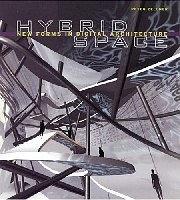
Architects, designers, and engineers have been using computers for decades to increase productivity, to solve seemingly insoluble problems, and for sophisticated presentations. Frank Gehry is particularly recognized for his innovative use of the computer. It is only recently, however, that computers are being used not just as tools, but as creative devices capable of generating startling new design ideas and entirely unexpected forms for the built world. For the first time in decades, a generation of technocratic architects and designers are producing buildings and structures that are redefining the practice and understanding of architecture. By breeding ideas with form, the real with the virtual, they create hybrid spaces that challenge long-held conventions of space, architecture, and time.
This innovative publication presents the work of twelve leading international practitioners of architecture who are spearheading the creative wave. The explosive growth in the field has been fueled by a variety of new softwares and computer-programming techniques. Whether derived from digital animation or complex algorithms, the results of these methods are sending shockwaves around the architecture world. From Greg Lynn's animate forms to UN Studio's diagrammatics, from dECOi's multidisciplinary researches to NOX's crossbreeding of biology and technology, little of this work has been seen in any but the most exclusive design circles.
The author introduces the various approaches that lie behind Hybrid Space, while placing the new work within the context of contemporary developments in architecture and technology. The book's core features extensive profiles of the architects, which detail their philosophies and design processes, and present several of their most recent projects. A substantial reference section includes comprehensive information on each architect and a glossary of technical terms.
At a time when architects around the world search for new forms of creative expression, this timely publication considers the exceptional work of architects for whom technology is expression, not just a means to an end.
length: (cm)28.6 width:(cm)26.7
作者简介
目录信息
读后感
用户评价
这本书的阅读体验,用“沉浸式”来形容可能最为贴切。它成功地营造了一种氛围,让你感觉自己正置身于那个由代码和算法构筑的全新建筑语境之中。语言风格上,它在保持专业性的同时,又充满了富有感染力的描述性文字,使得那些技术性的章节读起来也充满了画面感和叙事张力。我特别欣赏作者在处理跨学科概念时的那种游刃有余,能够巧妙地将计算机科学、艺术理论和建筑实践融为一炉,不让任何一方显得突兀或被边缘化。每次合上它,我都能感觉到自己的“建筑语言库”得到了极大的扩展,看待日常环境和新型建造方式的视角也变得更加立体和多维。这是一部真正能够激发灵感、推动思考的深度读物,对于任何想在数字时代把握建筑话语权的人来说,都是一份不可多得的宝藏。
评分这本书的视觉呈现水准极高,几乎每一页都是一幅精心布局的图景。图片的选择和质量非常出色,那些复杂的三维模型和渲染图,在高质量的印刷下,细节清晰可见,色彩还原度极高。我特别喜欢它在版式设计上的大胆创新,常常能看到文字和图像以一种非常规但又和谐的方式交织在一起,仿佛阅读本身也成为了一种空间体验。这种视觉语言的运用,恰恰呼应了书中所探讨的主题——数字媒介与物理世界的融合。排版上没有采取传统的呆板布局,而是让信息流随着内容本身的逻辑自然展开,引导读者的视线在页面上探索。对于从事设计或视觉艺术的专业人士来说,这本书本身就是一本关于优秀信息传达的范例。它有效地降低了理解复杂技术概念的门槛,通过强有力的视觉叙事,让抽象的理论变得可感可知。
评分这本书的装帧真是让人眼前一亮,厚实的硬壳封面,拿在手里沉甸甸的,很有质感。纸张的选择也看得出来是下了功夫的,细腻光滑,即便是大篇幅的图文并茂,翻阅起来也有一种享受。装订得非常扎实,感觉可以经受住时间的考验。每次把它从书架上取下来,都能感受到那种精心打磨的工艺感。特别是那个封面设计,简洁中带着深邃,色彩搭配也很有品味,那种低调的奢华感,让人爱不释手。我一直觉得,一本好书,从外在的呈现上就能看出作者和出版方的用心程度。这本书的物理形态,完全超越了我对一本学术或专业书籍的预期,更像是一件艺术品。无论是放在书架上,还是放在咖啡桌上,都能瞬间提升空间的格调。那种触感上的愉悦,是电子书完全无法比拟的。我甚至会花时间去摩挲那些文字和图片的排版细节,每一个边距、每一个字号的调整,都透露着一种匠人精神。
评分翻开书页,首先冲击到的是其内容的广度和深度。它不仅仅是简单罗列了一些案例,而是提供了一个看待当代建筑现象的全新框架。作者似乎对数字技术如何重塑空间形态有着深刻的洞察力,那些对参数化设计、生成式算法在建筑实践中应用的讨论,既有理论的严谨性,又不乏实践的指导意义。我尤其欣赏它对于“混合性”这一核心概念的剖析,那种在虚拟与实体、逻辑与直觉之间的张力,被刻画得入木三分。读起来会时不时需要停下来,反思一下自己对传统建筑学的固有认知。很多观点是挑战性的,迫使读者跳出舒适区去思考未来的可能性。它不像市面上很多同类书籍那样流于表面地展示酷炫的效果图,而是深入挖掘了驱动这些视觉奇观背后的思维模式和技术路径。这种层次感,让这本书的阅读体验变得非常丰富和耐人寻味。
评分在阅读过程中,我发现这本书的学术价值和前瞻性是其最突出的优点之一。它似乎站在了行业的前沿,捕捉到了技术发展最敏感的脉搏。作者没有停留在已经成熟的技术介绍上,而是着重探讨了尚未完全成型但极具潜力的研究方向,比如人机共生、智能材料在形态生成中的作用等。这种对未来的“预见性”让这本书的保质期似乎比一般书籍更长。它不仅仅是记录历史,更是在尝试书写未来。书中引用的参考资料和案例分析也显示出作者做了极其详尽的文献梳理和现场调研,论据扎实,逻辑链条清晰。这使得我对书中提出的每一个论断都能建立起足够的信任感。它不是一本轻松的读物,需要投入专注力,但这种思考上的高强度投入,最终会带来丰厚的回报。
评分 评分 评分 评分 评分