
具体描述
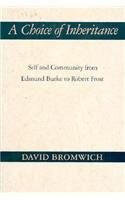
For the last two centuries, literature has tested the authority of the individual and the community. During this time, in Bromwich's words, "A motive for great writing...has been a tension, which is felt to be unresolvable, between the claims of social obligation and of personal autonomy. That these had to be experienced as rival claims was the discovery of Burke and Wordsworth. Our lives today and our choices are made in a culture where any settlement of the contest for either side is bound to be provisional. There is nothing to approve or regret in such a situation; it is the way things are; and in a time like ours, it is what great writing lives on." With a historical as well as an interpretative emphasis, Bromwich explores this tension. He shows why the public-mindedness of the eighteenth century is as limited a model for readers now as the individualism of the nineteenth century. Calling attention to the ambivalence of the great writers, he cites Emerson's sense of the conflict between "spirit" and "commodity" and Burke's conviction that human nature is at once given and chosen. Elsewhere, he describes the attenuation of social concern even in the truest modern followers of the romantics as in the conscious turn away from Wordsworth's morality in poems by Stevens and Frost. Other topics include Keats's politics, Whitman's prose, William Cobbett's journalism, and the standards of the "Edinburgh Review." In some widely discussed general essays, Bromwich addresses such issues as the uses of biography, the idea that authors create their own worlds, and the political ambitions of recent literary theory. His own criticism is powerfully eclectic, combining history, philosophy, biography, and a subtle awareness of how literature performs its work of implication. He brings to the task an authentic understanding of intellectual culture and the ability to leap from textual detail to cultural observation with an understated grace. As in his other writing, Bromwich aims to join aesthetic theory and moral thought. He rethinks the relationship between genius and talent, and defines genius in terms of its capacity to bring about change, rather than simply its quality of inward and spiritual uniqueness. His sustained defense here of that conception, and his elegant argument for a new approach to criticism generally, make this thoughtful book a controversial one as well.
作者简介
目录信息
读后感
用户评价
这本书的叙事节奏把握得相当到位,开篇的铺陈犹如层层叠叠的迷雾,让人在初读时略感困惑,但随着情节的深入,那些看似零散的线索却如同精妙的棋局一般,一步步地向核心冲突收拢。作者对于人物心理的刻画尤为细腻,特别是主角在面对家族传统与个人理想之间的挣扎时,那种内心的撕扯感通过细腻的文字精准地传达了出来。我尤其欣赏作者在环境描写上下的功夫,那些老宅的幽深、古籍的泛黄,不仅仅是背景,它们本身似乎也承载着某种无声的重量,与故事的主题形成了微妙的共鸣。阅读过程中,我时常会停下来,反复咀嚼某些段落,思考人物的选择是否符合人性在特定压力下的反应。它不是那种快餐式的阅读体验,更像是一场需要全神贯注去体会的精神漫步,每走一步,都能发现新的植被和风景,让人回味无穷。作者的语言功底扎实,用词考究,但绝不故作高深,所有的华丽辞藻都服务于故事本身的情感张力,使得整个阅读过程既享受又充满挑战。
评分这本书的结构设计简直是一场精巧的解谜游戏,作者似乎故意将时间线打乱,用碎片化的回忆和当下的行动交织推进,初看之下,很容易让人产生“这到底在讲什么”的错觉。然而,正是这种非线性的叙事手法,营造出一种强烈的宿命感和悬念感。每一次看似不经意的闪回,都像是为未来的爆发埋下了一颗定时炸弹。我花了相当大的精力去梳理那些复杂的人物关系网,特别是几代人之间的恩怨纠葛,简直比我正在看的侦探小说还要烧脑。但当所有的拼图最终对接上时,那种豁然开朗的震撼感是无与伦比的。这不仅仅是一个家族的故事,它更像是一部关于时间、选择与后果的哲学探讨。作者笔下的世界观构建得极为宏大且真实,即便是最微小的细节,似乎都暗示着更深层的历史或文化背景,足见作者在资料搜集和背景建构上的用心良苦。读完后,我甚至忍不住去查阅了书中提及的一些历史典故,可见其对读者知识探索欲的激发作用。
评分坦白说,我差点被这本书前半部分的沉闷劝退。它用了大量的笔墨去描绘日常生活中的琐碎和压抑,那种缓慢得近乎停滞的节奏,确实考验读者的耐心。然而,如果能够坚持下去,你会发现作者的用意所在——他是在用这种近乎残酷的真实感,来构建一个无法逃脱的“牢笼”。这种对生活细节的执着描摹,反而让后半段的爆发显得更加具有毁灭性。我感觉自己仿佛真的被带入了那个密闭的空间,感受着空气中弥漫的陈旧气息和无声的审判。书中某些对话片段的张力,简直可以用“剑拔弩张”来形容,每一个字都掷地有声,充满了未言明的潜台词。它没有用廉价的戏剧冲突来吸引人,而是通过对人物内心世界的持续挤压,最终完成了对主题的深刻揭示。这本书更适合那些喜欢慢热、偏爱探讨人性深层结构而非表面冲突的读者,它需要你静下心来,与文字一同呼吸。
评分这本书的语言风格极其富有韵律感,读起来有一种古典音乐般的庄重和美感。作者似乎对文字的音韵有着近乎苛刻的追求,尤其是在描写那些充满仪式感的场景时,那种排比和对仗的运用,简直让人拍案叫绝。我甚至尝试着大声朗读了其中一些段落,那种文字在口腔中回旋产生的共鸣感,极大地增强了故事的沉浸感。它探讨的主题,聚焦于个体如何在巨大的历史惯性面前保持自我独立性,这是一个宏大而永恒的议题。书中对“传统”的呈现,并非简单的好与坏的二元对立,而是展现了它如何像藤蔓一样,既提供庇护,又层层缠绕,最终令人窒息。我特别喜欢作者处理“道德模糊地带”的方式,他没有提供简单的答案,而是将选择的重担直接抛给了读者,让我们在合上书页之后,依然在心中进行着激烈的辩论。这是一部需要用耳朵去聆听,用心去感受的文学作品。
评分这本书最让我印象深刻的是它对“沉默”的运用。在很多关键时刻,作者选择让角色保持缄默,而将所有的情绪和信息都浓缩在了环境的描绘、人物的微小动作,以及那些省略号的背后。这种“留白”的艺术处理,使得读者必须积极地介入文本,去填补那些未被言明的部分,从而极大地提升了阅读的参与感。相比起那些事无巨细的解释,这种处理方式显得更为高级和耐人寻味。故事的核心冲突虽然是围绕着继承展开的,但其探讨的实质却是关于“身份认同”的危机——当外在的标签被剥离后,真正的自我还剩下什么?作者通过一系列的象征物和重复出现的主题意象,构建了一个封闭而又充满隐喻的世界。读完后,我感觉自己像经历了一次深刻的内省,它迫使我审视自己生命中那些未曾正视的“继承”与“放下”。这是一部厚重、深邃、需要多次阅读才能完全品出其滋味的佳作。
评分 评分 评分 评分 评分