
具体描述
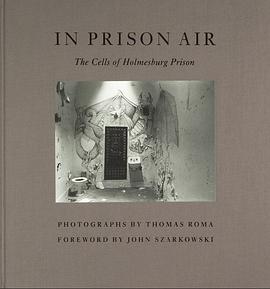
In 1999 photographer Thomas Roma found himself within the walls of Philadelphia's Holmesburg Prison, one of the most notorious prisons in the United States, doing a special photographic project for Steve Buscemi's Animal Factory. During downtime Roma wandered through this nineteenth-century fortress, walking in and out of many of its seven hundred or so cells. After Holmesburg's inception in 1896—on the occasion of which one Philadelphia reporter warned, "Abandon all hope all ye who enter here"—it quickly became the prison for Philadelphia's worst criminals, eventually packing up to five prisoners into six by eight foot cells designed for single-occupancy. After leaving the site, Roma found his mind often inhabiting the space of the prison with its halls of flaking paint and graffiti-covered cells. Overwhelmed by the evidence of the lives spent inside those small rooms, Roma returned to photograph on his own, creating the images now collected for In Prison Air: The Cells of Holmesburg Prison. Holmesburg, closed in 1997, is perhaps most well known for a series of scientific experiments carried out on its prisoners over a period of twenty-five years. Sponsored by the U.S. Army, the CIA, the University of Pennsylvania, The Dow Chemical Company, and Johnson & Johnson, the experiments tested the effects of substances ranging from deodorants and hair dyes to LSD and BZ, a compound ten times as strong as LSD, to radioactive isotopes and chemical warfare agents. These tests also included a special climate chamber designed for the study of skin diseases encountered during World War II. Dr. Albert Kligman, the architect of the human testing program at Holmesburg, saw the prison as "acres of skin.…like a farmer seeing a fertile field for the first time." Now, Kligman's tests are considered by many to be one of the most explicit violations of the Nuremberg Code, as undereducated and illiterate prisoners almost certainly did not realize the consequences of their consent. The cells are now empty of the men that endured their squalor, but their presence remains through the detritus and graffiti accumulated over the prison's century-long history, etched indelibly into Roma's master lens.
作者简介
目录信息
读后感
用户评价
我必须承认,初读这本书时,我感到了一种强烈的眩晕感,这并非因为叙事混乱,恰恰相反,是因为其内在逻辑的庞大和复杂。作者似乎并不急于向读者展示全貌,而是采用了碎片化的叙事手法,将线索巧妙地埋藏在对话、内心独白和环境描写之中。这要求读者必须保持高度的专注力,像一个侦探一样,将散落的线索拼凑起来,才能逐渐看清故事的全貌和人物动机的深度。这种阅读过程本身就是一种智力上的冒险。书中对于社会结构和权力运作的剖析,尖锐得让人感到一丝寒意。它不仅仅是在讲述一个故事,更像是在解剖一个庞大的社会系统,展示其内部是如何通过微妙的制衡与压迫来维持运作的。读完合上书本时,我感觉大脑像经过了一场高强度的锻炼,精神为之一振,但同时又夹杂着一丝对现实的忧虑。
评分这本书的开篇读起来就像一剂猛药,直冲脑门的那种。作者的叙事节奏把握得极其精准,仿佛带着你从一个光线昏暗的角落,一步步走向一个充满未知和压迫感的空间。我尤其欣赏他那种不动声色的力量感,没有过多的渲染和煽情,只是用近乎冷酷的笔触描绘出人物在极端环境下的心理挣扎和细微的反应。那种环境的压迫感是如此真实,以至于我都能感觉到空气中弥漫着陈旧和潮湿的味道。书中的细节描写堪称一绝,无论是人物之间眼神的交汇,还是对日常琐事的不同解读,都充满了张力。它不是那种让你读完后能轻松放下的故事,它会像一根刺一样扎在心头,让你反思很多关于自由、规则和人性的本质问题。我感觉作者在构建这个世界观时,下了极大的功夫,每一个场景、每一个人物的背景设定都显得如此坚实可靠,让人完全沉浸其中,无法自拔地想要知道接下来会发生什么,但同时又害怕看到那个“接下来”。
评分这部作品的文字功底实在令人惊叹,它有一种古典的韵味,却又时不时蹦出一些极其现代和犀利的观察角度,形成了一种奇特的张力。作者的句式结构变化多端,有时是绵长而富有哲理的排比,将人物内心的复杂性层层剥开;有时又是简短、干脆、如同判决书一般的断句,掷地有声。这种语言上的精妙处理,使得阅读体验充满了层次感和期待感。我发现自己常常需要停下来,回味几遍那些被精心打磨过的句子,去体会其中蕴含的深意。它不像是一本快速消费的小说,更像是一件需要细细品味的艺术品。读这本书的时候,我经常会感到一种被作者“挑战”的感觉,他似乎在用文字不断地试探读者的认知边界,迫使我们跳出既有的思维框架去理解这个故事所探讨的议题。这本书绝对是值得反复阅读和深入探讨的佳作。
评分从技术层面来看,这本书的场景构建能力达到了炉火纯青的地步。作者似乎有一种魔力,能用最简洁的词汇,勾勒出极其宏大且充满细节的场景。无论是对封闭空间内气味、光线、声音的捕捉,还是对时间流逝感(或者说是时间停滞感)的描绘,都极其精准到位。它提供的不仅仅是视觉上的画面,更是一种全方位的感官体验。我能清晰地“听见”那些空旷走廊里的回音,能“闻到”那种特定的,混杂着消毒水和灰尘的气味。这种强大的环境代入感,极大地增强了故事的沉浸性。同时,作者巧妙地运用了环境作为人物心理的外化,环境的压抑感与人物内心的焦虑感形成了完美的镜像关系。读完后,我甚至觉得自己的呼吸节奏都受到了影响,这本书对读者的感官调动能力,绝对是顶级的。
评分这本书最吸引我的地方在于它对“人情”的刻画,那份细腻和残忍交织的情感,简直入木三分。作者对人性的幽暗面有着近乎病态的洞察力,他笔下的人物,没有绝对的好与坏,只有在特定压力下被扭曲、被异化后的挣扎求存。特别是对于友情和背叛的描绘,不是那种老套的狗血桥段,而是极其微妙、充满张力、让人不寒而栗的互动。我常常为书中某些角色的选择感到揪心,那种“我懂你的处境,但我无法原谅你的决定”的矛盾感,是很多小说难以企及的高度。阅读过程中,我常常会产生强烈的代入感,仿佛自己就是那个站在十字路口的局中人,必须做出那个艰难到令人窒息的选择。这种情感上的深度共鸣,才是真正让一本好书成为伟大作品的关键,而这本书无疑做到了。
评分 评分 评分 评分 评分