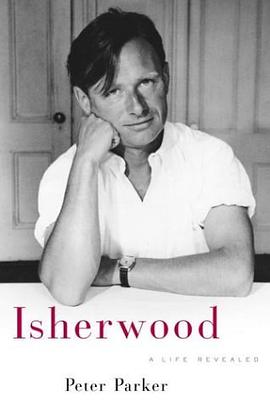

具体描述
Here is the definitive biography of one of the most exciting, influential, and elusive authors of the twentieth century. Christopher Isherwood’s novels and short stories, including those that inspired the musical Cabaret, have always been assumed to be largely autobiographical.
Based in part on Isherwood’s private papers–unavailable until now–this fascinating book presents the real story of his life, a life that saw a relatively conventional boy become an acclaimed writer, mystic, and “grand old man” of the gay liberation movement. In the end, Isherwood: A Life portrays someone who misled as much as he revealed.
Born in 1904, the heir to a large country estate where his grandfather was squire, Isherwood had a youth filled with both privilege and loss. His father’s death in World War I devastated his mother and created a “hero-father” image that would haunt both Christopher and his unstable brother for the rest of their lives.
He began to acknowledge his homosexuality at his English boarding school and subsequently formed a definition of “self” based on subterfuge, performance, and escape. With his lifelong friends W. H. Auden and Stephen Spender he emerged as one of the leading literary figures of the 1930s.
From the bars, nightclubs, and slums of Weimar Germany–where Isherwood created The Berlin Stories and introduced the world to Sally Bowles–to homosexual communes in Greece and Portugal, to the film studios of London (the subject of his novel Prater Violet) and Hollywood, his destinations became arenas for his reinventions. Isherwood’s later years as an unofficial spiritual and sexual sage in Southern California only added to the abiding mystery of his life.
In addition to using Isherwood’s correspondence, unpublished diaries, and other previously unavailable sources in painting this clear and definitive portrait, Peter Parker has also unearthed the author’s telling early works, including parodies, school memoirs, and even part of a crucial lost novel.
Painstakingly researched and brilliantly written, Isherwood: A Life captures the fugitive reality of a man who has become a favorite artist and important symbol of an entire era in our life of letters. Published in the centennial of his birth, it will be read as long as Isherwood himself is.
作者简介
PETER PARKER is the author of The Old Lie: The Great War and the Public-School Ethos and a biography of J. R. Ackerley. He is the editor of A Reader’s Guide to the Twentieth-Century Novel and A Reader’s Guide to Twentieth-Century Writers. He is an associate editor of the Oxford Dictionary of National Biography and writes about books and gardening for a wide variety of publications. He was elected a Fellow of the Royal Society of Literature in 1997 and lives in London’s East End.
目录信息
读后感
用户评价
我必须说,这本书的结构安排简直是反常规的,它打破了我对传统叙事弧线的固有认知。作者似乎故意设置了一些看似无关紧要的支线和插叙,这些元素在初读时让人感到一丝困惑,仿佛迷失在一条蜿蜒曲折的迷宫中。然而,随着阅读的深入,你会猛然醒悟,那些看似偏离主线的片段,实际上都是精心编织的线索,它们如同散落的星辰,最终汇聚成一幅宏大而清晰的图案。这种“延迟满足”的叙事技巧,极大地增强了阅读的智力参与感,它要求读者不能被动接受,而必须主动去构建意义。尤其是当那些看似分散的情节点在书的后半部分交织在一起时,那种“原来如此”的震撼感,是其他按部就班的小说难以给予的。它不是简单地讲一个故事,它更像是在引导你进行一次考古发掘,你需要自己动手去清理泥土,拼凑碎片,最终才能看到完整的真相。这种挑战读者的创作方式,非常具有开创性,也让这本书的耐读性大大提高。
评分这本书给我的最深印象是它对“时间”这一概念的独特处理。它不仅仅记录了事件的发生,更深入地探讨了记忆如何扭曲和重塑我们对过去的感知。书中频繁地在不同时间维度间跳跃,过去、现在和一种模糊的、被期望的未来交织在一起,让人分不清哪些是真实发生的,哪些只是角色的主观投射。这种非线性叙事,完美地模拟了人类大脑处理信息和回忆的方式——碎片化、联想式,且充满情感滤镜。我尤其欣赏作者如何通过描述细节的“不一致性”来暗示记忆的不可靠性。比如,同一个场景在不同章节中被不同的人物回忆,细节上存在微妙的冲突,这迫使我这个读者必须保持高度警惕,不断地审视和质疑叙事者提供的“事实”。它探讨了“真实”的相对性,以及我们如何通过不断地讲述和重述自己的历史来定义“自我”。这是一部真正意义上的“元小说”,它让我们思考,我们所读到的,究竟是作者的故事,还是我们自己投射进去的解读?
评分这本书的语言风格简直令人惊叹,它不像很多当代小说那样追求华丽辞藻的堆砌,反而有一种返璞归真的力量。作者似乎对词汇的选择有着近乎偏执的精准,每一个动词和形容词都恰到好处,绝无冗余,却又将场景的氛围营造得淋漓尽致。我常常会读到一些句子,忍不住停下来,默默地在心里念诵几遍,感受那种文字碰撞出的韵律感。它的对话部分尤其出色,那种真实得让人起鸡皮疙瘩的交流,充满了潜台词和未说出口的张力,让人不得不去解码人物之间复杂的关系网。更难得的是,尽管文字本身可能看似简洁,但其背后蕴含的情感厚度和文化底蕴却是极其丰厚的。阅读的过程,与其说是吸收信息,不如说是一种沉浸式的感官体验——你能“闻到”雨后泥土的气息,“看到”光线穿过窗棂的斑驳,“听到”远处传来的模糊声响。这本书无疑是献给那些真正懂得欣赏语言艺术的读者的,它证明了,最深刻的洞察,往往是通过最纯粹的表达来实现的。
评分读完全书后,我感到一种近乎宗教般的启示,这本书的“主题”之宏大,远远超出了情节本身所能承载的范围。它巧妙地避开了直接的道德说教,而是通过一系列充满象征意义的意象和反复出现的母题,向我们抛出了关于存在、疏离与连接的终极拷问。例如,书中反复出现的“镜子”和“幽灵”的意象,似乎在不断提醒我们,我们所感知的世界,可能只是我们渴望看到的一个影子。它捕捉到了一种现代人普遍存在的、难以言喻的“异化感”,那种身处人群却感到无比孤立的体验,被描绘得精准而残酷。然而,更具建设性的是,在描绘了如此深刻的绝望之后,作者又在不经意间留下了微弱但坚韧的希望之光。这种在黑暗中寻找微光的能力,使得这本书既有深刻的批判性,又不至于沦为虚无主义的泥潭。它要求读者不仅要思考“发生了什么”,更要思考“这一切意味着什么”,无疑是一部需要被反复研读和深思的作品。
评分哇,我最近沉迷于一本新发现的书,它的文字像一股清泉,洗涤着我疲惫的思绪。这本书的叙事手法简直是鬼斧神工,作者似乎拥有一种魔力,能将最平凡的日常瞬间描绘得如同史诗般壮阔,又带着一种令人心碎的细腻。我尤其欣赏它对人物内心世界的刻画,那些挣扎、那些微小的胜利和无法言说的失落,都如同在我眼前上演一般真实。读到某些段落时,我甚至能清晰地感受到角色们的呼吸,那种置身其中的感觉,让人几乎忘记了自己正在阅读。叙事节奏的把握更是教科书级别,时而如疾风骤雨,让人屏息凝神,时而又慢得仿佛时间凝固,让你有足够的时间去品味每一个词语背后的重量。这本书成功地构建了一个既熟悉又陌生的世界,里面的人物不是扁平的符号,而是活生生的、充满矛盾的生命体,他们的选择和命运牵动着我的心弦,让我忍不住想要去探究人性最深处的奥秘。它不仅仅是一个故事,更像是一场深邃的哲学探讨,包裹在引人入胜的文学外衣之下,让人读完后久久不能平静,回味无穷。
评分 评分 评分 评分 评分