
具体描述
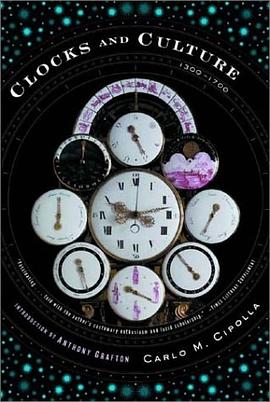
The history of the clock opens a window on how different cultures have viewed time and on Europe's path to industrialization. How did a time-keeping device affect the growth of crafts guilds and the scientific research that led to the Industrial Revolution? Clocks and Culture is a brief history of the changes wrought by and on Europe over four hundred years due to technological advances in timekeeping and the rise of a time-aware culture. In his introduction, Anthony Grafton, Henry Putnam University Professor of History at Princeton University, puts this classic book in perspective. 14 b/w illustrations
作者简介
This slim book (only 120 pages, excluding the notes and index), sets out to present the history of one of the most important technological innovations ever created: the clock. Seemingly banal to us modern people, who have clocks and watches all around us - I have a watch on my wrist, a clock on my desk, and clocks visible on my computer screens, as well is in my car, and on various storefronts I pass - the timepiece revolutionized the world, allowing events to occur at pre-determined moments, and allowing people to organize their labor and lives in a different way. While we are often at the mercy of the clock, running for that train, trying to be on-time for that meeting, or waiting for the dentist who is late, no other invention has changed the world so profoundly.
This book begins with a prologue that sets out the context in which the clock was invented. After the "renaissance" of the 12th century in Europe, when population grew rapidly, technology was mastered, and craftsmen became key players in society, the book examines the crucial period between 1300 and 1700, when the clock was refined and democratized. (Curiously, Cipolla does not explain exactly why such a renaissance occurred in the 12 century, and seems almost perplexed. This book was originally published in 1967, at which time historians were not aware that the 12th century was a period when the climate in Europe became much warmer than in previous centuries. The climate had cooled considerably during the "dark ages", making it more difficult to eke out a living from the soil. When the climate warmed in the 12 century, food was suddenly abundant, leading to an increase in population and the ensuing changes in societal structure.)
Mankind had always attempted to measure time precisely; as early as antiquity , using sundials, then later with clepsydra, or water clocks. But not until the late thirteenth century were clocks finally created that approached a level of accuracy that would change the world. This occurred when the verge escapement with foliot was invented: this mechanism was the heart of the early mechanical clock.
During the 14th century, clocks become more numerous in Europe, essentially in churches, cathedrals and monasteries, for it was here that time was most important. Some of these clocks could chime out the hours, allowing for more precise times for religious services. Clocks were expensive, but during this century and the next, many towns and cities began commissioning clocks, out of both civic pride and economic hope - the clocks could help bring more merchants to fairs, and citizens would lead more orderly lives.
Like much technology, these mechanical timepieces began as public objects and slowly found their way into the home; first the homes of the rich, but, beginning in the 16th century, more clocks and watches appeared in the homes of the middle-class. In the 17th and 18th centuries, the rise of "science" as a true métier, and a search for precision in all aspects of technology, led to improvements in accuracy. No longer were clocks merely designed to tell the hour and the minute, but accuracy to the second was the new goal. This was not born out of any desire to know the precise time to the second, but rather to ensure that clocks remained accurate over time. A clock that lost 10 seconds a day would lose more than a minute a week, and would soon stray from the actual time.
Cipolla only examines the growth in the clockmaking industry without looking into the profound effects that taming time had on mankind. Other than a brief mention in the epilogue, where he talks about how hours of equal length were adopted across Europe, does he raise the questions of the effect that this new common time had on both trade and technology. Longitude would never have been discovered without accurate clocks. The railroad could not have functioned without synchronized clocks, and telegrams would have been more difficult to send across the Atlantic without an awareness of times and time zones. When mankind adopted precise time, it enabled laborers to be paid for the hours they worked, and not the days; it allowed meetings to be scheduled at precise times; it permitted transportation to leave and arrive at predetermined times.
This book is not meant to examine how time revolutionized the world, but even in the period it covers, Cipolla should have delved into the societal changes that this technology engendered. While this is an interesting examination of the technology itself, it does not explore the effect of that technology on the world around it, and ultimately disappoints for that reason.
Kirk McElhearn
Kirk McElhearn (kirk@mcelhearn.com) is a freelance writer and translator living in a village in the French Alps. You can find out all about him at his web site, http://www.mcelhearn.com.
目录信息
读后感
用户评价
这本书的写作风格非常吸引人,它既有学术著作的严谨和深度,又不失大众读物的可读性和趣味性。作者善于运用类比和隐喻,将抽象的概念形象化,使得读者能够轻松地理解。我尤其喜欢书中对不同历史时期钟表艺术风格的描绘,那些精美的机械装置,不仅是计时工具,更是时代的艺术品,它们承载着当时的审美情趣和技术水平。同时,本书也探讨了时间观念的演变如何影响了人们的心理状态。当时间变得如此精确和快速,人们可能会感到焦虑、压力,或者失去对生活节奏的掌控感。作者对这种心理层面的影响进行了深入的分析,让我更加理解了现代人普遍存在的“时间焦虑”。它也促使我反思,如何在快节奏的现代生活中,找回属于自己的宁静和从容。这本书不仅仅是知识的传授,更是一种心灵的启迪,它让我重新审视了自己与时间的关系,以及时间对我们生活和心理状态的深刻影响。
评分这本书提供了一个非常有启发性的视角来理解人类社会的演变,那就是从“钟表”这个看似简单的发明开始。作者的洞察力令人惊叹,他能够将一个物件与如此复杂的社会和文化变迁联系起来。我非常欣赏书中关于“时间革命”的论述,它不仅仅是技术层面的革新,更是人类认知模式和社会组织方式的根本性转变。当精确的时间成为一种普适性的标准时,它就能够被用来协调大规模的集体行动,比如军队的调动、工厂的生产、甚至是国家机构的运作。这种协调能力,是现代国家形成和发展的重要基础。书中也探讨了时间观念的普及如何改变了人们的消费习惯和娱乐方式。当人们拥有更多可支配的时间,并且能够精确地安排时间时,新的商业模式和娱乐产业便应运而生。作者通过对这些方面的细致描绘,展现了时间作为一种社会资源的形成过程。阅读这本书,就像是在进行一场智识的探险,每一次翻页,都可能发现新的惊喜和深刻的见解。它让我对人类文明的进程有了更全面、更深刻的理解。
评分我必须承认,在阅读某些段落时,我确实需要放慢节奏,反复琢磨作者提出的观点。本书的深度在于它并非浅尝辄止,而是深入到时间的哲学层面,探讨了人类对“现在”、“过去”和“未来”的认知是如何随着计时工具的演变而变化的。作者的论述非常严谨,引用的文献和历史证据也十分扎实,这使得他的每一个论点都充满了说服力。我被其中关于“时间的主观性”和“客观性”的讨论深深吸引。在机械钟表出现之前,人们对时间的感知更多是依赖于自然节律,如日升日落、季节更替,这是一种相对模糊和主观的体验。而当精确的机械计时器出现后,时间似乎变得客观、量化、可分割,这极大地改变了人们对自身存在的认知。这种转变,不仅仅是技术上的进步,更是人类意识形态上的一次深刻革命。书中对这种转变过程中所产生的各种哲学思潮、社会思辨的梳理,都让我受益匪浅。它促使我思考,我们是否真的活在“客观”的时间里,还是我们只是被一种被“发明”出来的时间框架所束缚?这本书的价值在于它提出的问题,而不是直接给出答案,它鼓励读者进行更深入的思考。
评分我被这本书的学术深度和跨学科研究的视野所折服。作者并非局限于钟表制造本身,而是将历史学、社会学、哲学、艺术史等多个学科的知识融会贯通,构建了一个极其宏大而精密的分析框架。在我看来,这是一种真正的智识探索。他对于早期钟表作为一种奢侈品,如何成为权力、财富和身份的象征的论述,尤其让我印象深刻。例如,在欧洲宫廷中,那些华丽的机械钟,不仅仅是报时工具,更是艺术家精湛技艺的展示,是主人品味和地位的象征。同时,书中对钟表在宗教仪式、科学实验、军事行动等不同领域的应用进行了细致的考察,揭示了时间精确化的重要性在各个领域逐渐凸显的过程。这种多角度、多层次的分析,使得本书的内容极其丰富,也极具启发性。它让我认识到,任何一项技术的发明和普及,都绝非孤立的事件,而是与当时的社会需求、文化语境、权力结构等因素相互交织、相互影响的结果。阅读这本书,就像是在进行一场穿越时空的知识盛宴。
评分这本书在某些章节的叙述方式上,给我一种仿佛置身于历史现场的沉浸感。作者在描绘不同时期人们如何适应和利用新的计时技术时,运用了大量生动形象的语言,以及对当时社会生活细节的细致描绘。例如,在讲述早期教会如何利用水钟或日晷来组织礼拜活动时,我仿佛能看到虔诚的信徒们在清晨微光中,随着钟声的响起,井然有序地走进教堂;或是夜晚,在昏黄的灯光下,聆听着报时声,感受着一种超越个体生命的时间秩序。这种对历史场景的重现,并非简单的堆砌史实,而是通过对细节的挖掘,展现了技术进步如何潜移默化地改变人们的生活节奏、工作方式、乃至宗教信仰和道德观念。我尤其被那些关于城市公共钟楼兴起的部分所打动。它不仅仅是宣布时间的功能,更是一种社会凝聚力的象征,是城市身份认同的标志。人们通过钟声来安排日常事务,这种集体性的时间体验,塑造了一种共同的社会记忆和归属感。书中对这些细微之处的关注,让我对人类文明的发展有了更立体、更具象的理解,也对时间作为一种社会建构的力量有了更深的敬畏。
评分这本书提供了一种不同于以往的理解近代史的方式,它将焦点放在了“时间”这个看似不起眼的因素上。作者的论证逻辑严谨,每一部分的展开都建立在前一部分的基础上,层层递进,最终形成一个完整而深刻的见解。我尤为欣赏他对于“时间标准化”进程的梳理。从地方性的时间区分,到全国性的时间统一,再到如今全球化的时间同步,这一过程充满了挑战和妥协,也折射出社会组织模式的演变。例如,铁路的出现,就极大地推动了时间标准的统一,因为不同地区的时间差对铁路运行造成了巨大的困扰。这种对具体历史事件与抽象概念之间联系的挖掘,让历史的叙述更加生动和可信。本书也探讨了时间精确化如何影响了人们的日常生活,比如工作时间的安排,学校的课程设置,甚至人们的作息习惯。这些看似微小的改变,累积起来,就构成了我们今天所熟悉的生活模式。通过阅读这本书,我不仅增长了历史知识,更重要的是,我学会了如何从一个全新的角度去审视我们所处的时代。
评分这本书在叙述的节奏和风格上,有着一种独特的魅力,它不像一些学术著作那样枯燥乏味,反而充满了故事性和人文关怀。作者的语言功底深厚,他能够将复杂的历史事件和理论分析,用清晰易懂的文字呈现出来。我被其中一些关于早期钟表匠人的生活和工作状态的描绘所吸引。他们不仅仅是技术工人,更是将艺术、科学与手工技艺相结合的匠人,他们的辛勤劳动和创新精神,为我们今天的世界奠定了基础。书中也探讨了时间观念的转变如何影响了个人对自身价值的认知。当时间变得可以被精确测量和管理时,人们更容易将自己视为一个可以被优化和提升的“资源”。这种对个体存在意义的思考,在本书的各个章节中都有所体现,让我反思了现代社会对“生产力”和“效率”的过度强调,以及这种强调可能带来的负面影响。这本书不仅仅是关于历史,更是关于我们如何理解和管理我们自己的生命。
评分这本书的独特之处在于它以“钟表”为切入点,却触及了如此广泛而深刻的社会文化议题。作者的分析能力令人惊叹,他能够从看似微不足道的细节中,提炼出影响深远的社会变革的根源。我印象最深刻的是关于“时间作为一种社会控制工具”的论述。在某些历史时期,精确的时间表被用来管理工人的劳动,控制他们的行为,从而提高生产效率。这种将时间引入社会管理,并将其与权力、纪律联系起来的做法,是现代社会管理模式的重要组成部分。书中也探讨了时间观念的演变如何影响了不同文化之间的互动。当一个社会开始追求精确的时间,而另一个社会仍然遵循着模糊的自然节律时,这种差异就可能导致误解和冲突。作者通过对这些跨文化交流的细致描绘,展现了时间观念作为一种文化符号的重要性。这本书让我认识到,我们对时间的感知和使用,绝不仅仅是个人行为,而是深深植根于我们所处的社会和文化之中。
评分这本书提供了一个非常独特的观察社会变迁的视角,那就是从“时间”这个维度切入。作者巧妙地将钟表作为连接不同时代、不同社会群体的桥梁。我特别欣赏他对不同阶层、不同职业的人们如何与时间互动的方式进行了对比分析。例如,农民对时间的感受必然与城市里的工厂工人大相径庭。前者可能更多地遵循土地的节奏,而后者则必须精确地按照生产线的指令来运转。这种差异,不仅仅是工作性质的不同,更是一种生活方式、一种世界观的根本区别。本书也很好地阐释了工业革命如何彻底地重塑了人们对时间的态度。蒸汽机、流水线生产,这些都要求一种前所未有的时间纪律和效率。人们不再是“顺其自然”,而是要“掌控时间”。这种“掌控”的观念,渗透到社会生活的方方面面,影响着教育、工作、休闲,甚至人际关系。作者通过对这些历史进程的描绘,让我深刻理解了现代社会对“时间就是金钱”、“效率至上”等观念是如何逐步形成的,以及这些观念又如何反过来塑造了我们的社会结构和价值体系。
评分这是一本引人入胜的书,初次翻开,我便被其独特的视角所吸引。作者并非简单地罗列时钟的发展史,而是将时间、计时工具与人类社会文化、思想变迁紧密地联系起来。他仿佛是一位敏锐的社会学家,又像是一位充满历史感的哲学家,通过对时钟这件日常器物的细致入微的观察,揭示了人类在不同时代对时间概念的理解、利用以及由此产生的社会结构和思维模式。阅读过程中,我不断地反思自身与时间的关系。我们生活在被精确时间切割的现代社会,对时间的感知早已内化,甚至到了麻木的程度。然而,本书让我重新审视了这份“内化”,它并非一成不变,而是历经漫长的演变。从最初对自然节律的依赖,到机械钟表出现后对人工精确时间的追求,再到如今数字时代对即时性的渴望,每一步都伴随着深刻的文化变革。作者以丰富的史料和翔实的论证,勾勒出了这条清晰的时间脉络,让我对人类文明的进程有了更宏观、更深刻的认识。这本书不仅仅是关于钟表,更是关于我们如何理解和塑造我们所存在的世界。它让我意识到,即使是再寻常不过的物件,也可能蕴含着令人惊叹的文化密码。
评分Horology. The demand and the supply resulted together in a greater diffusion of timepiece, the identity of clockmaker and the atmosphere of trading, literacy, decipline in clock-making central place and so forth ,all spurring to the emergency of Science and Industrial Revolution. Clock undoubtedly to be the keystone.
评分Horology. The demand and the supply resulted together in a greater diffusion of timepiece, the identity of clockmaker and the atmosphere of trading, literacy, decipline in clock-making central place and so forth ,all spurring to the emergency of Science and Industrial Revolution. Clock undoubtedly to be the keystone.
评分Horology. The demand and the supply resulted together in a greater diffusion of timepiece, the identity of clockmaker and the atmosphere of trading, literacy, decipline in clock-making central place and so forth ,all spurring to the emergency of Science and Industrial Revolution. Clock undoubtedly to be the keystone.
评分Horology. The demand and the supply resulted together in a greater diffusion of timepiece, the identity of clockmaker and the atmosphere of trading, literacy, decipline in clock-making central place and so forth ,all spurring to the emergency of Science and Industrial Revolution. Clock undoubtedly to be the keystone.
评分Horology. The demand and the supply resulted together in a greater diffusion of timepiece, the identity of clockmaker and the atmosphere of trading, literacy, decipline in clock-making central place and so forth ,all spurring to the emergency of Science and Industrial Revolution. Clock undoubtedly to be the keystone.