
具体描述
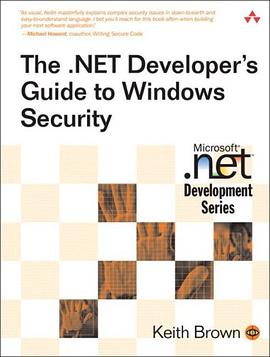
"As usual, Keith masterfully explains complex security issues in down-to-earth and easy-to-understand language. I bet you'll reach for this book often when building your next software application." --Michael Howard, coauthor, Writing Secure Code "When it comes to teaching Windows security, Keith Brown is 'The Man.' In The .NET Developer's Guide to Windows Security, Keith has written a book that explains the key security concepts of Windows NT, Windows 2000, Windows XP, and Windows Server 2003, and teaches you both how to apply them and how to implement them in C# code. By organizing his material into short, clear snippets, Brown has made a complicated subject highly accessible." --Martin Heller, senior contributing editor at Byte.com and owner of Martin Heller & Co. "Keith Brown has a unique ability to describe complex technical topics, such as security, in a way that can be understood by mere mortals (such as myself). Keith's book is a must read for anyone attempting to keep up with Microsoft's enhancements to its security features and the next major version of .NET." --Peter Partch, principal software engineer, PM Consulting "Keith's book is a collection of practical, concise, and carefully thought out nuggets of security insight. Every .NET developer would be wise to keep a copy of this book close at hand and to consult it first when questions of security arise during application development." --Fritz Onion, author of Essential ASP.NET with Examples in C# The .NET Developer's Guide to Windows Security is required reading for .NET programmers who want to develop secure Windows applications. Readers gain a deep understanding of Windows security and the know-how to program secure systems that run on Windows Server 2003, Windows XP, and Windows 2000. Author Keith Brown crystallizes his application security expertise into 75 short, specific guidelines. Each item is clearly explained, cross-referenced, and illustrated with detailed examples. The items build on one another until they produce a comprehensive picture of what tools are available and how developers should use them. The book highlights new features in Windows Server 2003 and previews features of the upcoming version 2.0 of the .NET Framework. A companion Web site includes the source code and examples used throughout the book. Topics covered include: * Kerberos authentication * Access control * Impersonation * Network security * Constrained delegation * Protocol transition * Securing enterprise services * Securing remoting * How to run as a normal user and live a happy life * Programming the Security Support Provider Interface (SSPI) in Visual Studio.NET 2005 Battle-scarred and emerging developers alike will find in The .NET Developer's Guide to Windows Security bona-fide solutions to the everyday problems of securing Windows applications.
作者简介
目录信息
读后感
用户评价
《The .NET Developer's Guide to Windows Security》这个名字,让我眼前一亮。在.NET开发领域,我们确实需要关注安全性,尤其是在Windows这个我们日常使用最频繁的平台上。我一直觉得,很多开发者在编写代码时,更多地关注业务逻辑的实现,而对于潜在的安全风险,可能缺乏系统性的认识和应对策略。这本书的出现,正好可以弥补这一方面的不足。我非常希望书中能够详尽地阐述在Windows环境下,.NET开发者应该如何主动地去识别和防范各种安全威胁。例如,书中是否会提供关于如何安全地处理用户输入、防止SQL注入、XSS攻击的实战指导?是否会讲解如何利用Windows API或.NET库来管理应用程序的权限,实现最小权限原则?And beyond these fundamental aspects, I am eager to learn about more advanced security considerations relevant to .NET development on Windows. This could include discussions on secure deployment practices, vulnerability management, and how to leverage Windows security features like the Credential Manager or Group Policy for enhanced application security. I’m also hoping for insights into how the book addresses the security of modern .NET applications, such as those built using ASP.NET Core, and how they can be secured effectively within a Windows environment. The prospect of gaining a deeper understanding of the interplay between .NET code and the underlying Windows security model, and how to harness this synergy to build more robust applications, is a significant draw. My expectation is that the book will offer clear, actionable advice, supported by practical code examples, that can be readily applied in real-world development scenarios. Ultimately, I am seeking to enhance my security awareness and capabilities as a .NET developer, and this book appears to be a highly relevant and promising resource to achieve that objective, providing a solid foundation for building secure applications in the Windows ecosystem.
评分《The .NET Developer's Guide to Windows Security》——仅仅是这个书名,就足以让我产生浓厚的兴趣。在当今数字化的世界里,软件安全不再是锦上添花,而是赖以生存的基石。对于.NET开发者而言,如何在Windows这个广阔而复杂的平台上构建安全可靠的应用程序,一直是一个值得深入探讨的课题。我期望这本书能够提供一套清晰、实用的指导,帮助我们从代码层面就构建起坚固的安全防线。我尤其期待书中能够深入讲解如何利用.NET框架的特性来防御各种常见的安全威胁,例如,如何有效地处理用户输入,防止各种形式的注入攻击;如何安全地管理应用程序的配置信息和敏感数据,比如数据库连接字符串、API密钥等;以及如何实现健壮的身份验证和授权机制,确保只有合法的用户才能执行特定的操作。Furthermore, I am particularly interested in how the book will address the integration of .NET applications with Windows' native security features. This might include discussions on leveraging Windows APIs for enhanced security, understanding and manipulating Access Control Lists (ACLs), and implementing secure inter-process communication (IPC) mechanisms within the Windows ecosystem. The prospect of learning how to build .NET applications that are not only feature-rich but also inherently secure, by understanding and applying the security best practices specific to the Windows platform, is incredibly exciting. I believe that a comprehensive guide that bridges the gap between .NET development and Windows security is invaluable for any professional developer. My hope is that this book will equip me with the knowledge and practical skills to proactively identify and mitigate security vulnerabilities, thereby enhancing the overall trustworthiness and resilience of the applications I develop. The depth and breadth of coverage in this area will ultimately determine its value to me as a developer seeking to master Windows security for .NET applications.
评分拿到《The .NET Developer's Guide to Windows Security》这本书,我的第一反应就是它的主题选取得非常及时和契合市场需求。在如今信息安全事件频发、数据泄露动辄造成严重损失的时代,任何开发者都不能对安全掉以轻心。特别是对于.NET开发者而言,Windows平台是我们最常接触和使用的开发环境,因此,深入理解如何在Windows体系下编写安全的.NET代码,就显得尤为重要。我非常期待书中能够提供一套系统性的解决方案,指导我们如何从代码层面就构建起一道坚固的安全屏障。例如,书中是否会详细讲解如何利用.NET提供的各种加密算法和安全API,来保护应用程序中的敏感数据,例如,如何安全地存储和管理密钥,如何对传输中的数据进行加密和解密,如何对存储的数据进行脱敏处理,以防止未经授权的访问和泄露。Moreover, I am particularly interested in the book's coverage of authentication and authorization mechanisms. I anticipate that it will delve into best practices for implementing secure login systems, perhaps discussing concepts like multi-factor authentication, token-based authentication (like JWT), and how to integrate these with Windows security features. The book’s ability to guide developers in understanding and properly implementing role-based access control (RBAC) within their .NET applications, ensuring that users can only access the resources and perform actions they are permitted to, will be a key aspect of my evaluation. I’m also hoping for detailed explanations on how to secure inter-process communication (IPC) in Windows, a common area where vulnerabilities can arise, and how to leverage .NET capabilities to make these communications secure. The prospect of learning about common security pitfalls in Windows development and how to avoid them, coupled with practical, code-driven examples, makes this book a compelling read for me. I believe a comprehensive guide that addresses both theoretical underpinnings and practical implementation strategies for Windows security in .NET development is a valuable asset, and I am eager to see how this book delivers on that promise. My aim is to become a more security-conscious developer, and this book appears to be a strong contender to help me achieve that goal by providing the necessary knowledge and tools.
评分这本书的名字叫做《The .NET Developer's Guide to Windows Security》,光是看书名,我就对它充满了期待,毕竟在如今这个网络安全形势日益严峻的时代,掌握Windows安全相关的开发技能,对于任何一位.NET开发者来说,都显得尤为重要。我一直认为,在构建强大的应用程序时,安全性从来都不是一个可选项,而是一个必须项。而这本书,恰好精准地抓住了这一痛点,它承诺将.NET开发与Windows安全紧密结合,这让我觉得它不仅仅是一本技术书籍,更像是一份宝贵的行动指南,帮助我们在编写代码的同时,也能筑起一道坚不可摧的安全防线。我设想,书中会详细地讲解各种常见的Windows安全漏洞,以及如何利用.NET的强大功能来防御它们,例如,如何正确地处理用户输入,防止SQL注入和跨站脚本攻击;如何安全地管理敏感数据,比如加密存储数据库凭据或用户密码;如何实现健壮的身份验证和授权机制,确保只有合法用户才能访问受保护的资源。Furthermore, I anticipate that the book will delve into the intricacies of Windows operating system security features that developers can leverage. This might include discussions on User Account Control (UAC), Windows Defender, or even more advanced concepts like security best practices for inter-process communication (IPC) and how to secure network communications within a Windows environment. The prospect of understanding how to effectively utilize these native Windows security mechanisms within the .NET framework is particularly exciting, as it promises to elevate the security posture of applications beyond just the code itself. I am eager to discover practical examples and code snippets that demonstrate these principles in action, making the learning process more tangible and actionable. The depth of coverage in this area will be a critical factor in my assessment of the book's value. My hope is that it moves beyond theoretical discussions and provides concrete, implementable solutions that can be readily applied to real-world development projects. I am also curious about how the book will address emerging security threats and trends, such as supply chain attacks or the increasing reliance on cloud-based services, and how .NET developers can adapt their security strategies accordingly.
评分《The .NET Developer's Guide to Windows Security》——这个书名本身就传递出一种专业和可靠的信号。在.NET开发领域,虽然框架本身提供了许多强大的功能,但在Windows这个特定的操作系统环境下,安全性的考量往往需要更深入的理解和实践。我之所以对此书充满期待,是因为我相信它能够填补我在这方面的知识空白。我希望书中能够详细地介绍在Windows平台上,.NET开发者应该如何构建安全可靠的应用程序。例如,我特别关注书中对于如何处理和验证用户输入的部分,我希望能学习到如何有效地防止SQL注入、跨站脚本攻击等网络安全中最常见的威胁。Furthermore, I anticipate that the book will provide in-depth guidance on implementing robust authentication and authorization mechanisms. This might involve discussions on user account management, role-based access control (RBAC), and secure password management techniques, potentially integrating with Windows' built-in security features. I’m also very interested in the book's approach to securing data, both in transit and at rest. This could include explanations on encryption algorithms, secure storage of sensitive credentials, and best practices for protecting data from unauthorized access. The prospect of learning how to leverage the security capabilities inherent in the Windows operating system and the .NET framework to build secure applications is extremely appealing. I am looking for a resource that not only explains the theoretical aspects of Windows security but also provides practical, code-driven examples that can be readily implemented in real-world .NET projects. My aim is to significantly improve my understanding and application of security principles in my .NET development work on Windows, and this book seems like an excellent starting point to achieve that, offering a focused and comprehensive approach to a critical aspect of software engineering.
评分拿到《The .NET Developer's Guide to Windows Security》这本书,我首先感受到的是它的实用性和针对性。在.NET开发的世界里,我们常常会遇到各种安全挑战,特别是在Windows这个主流操作系统上。许多开发者可能缺乏对Windows底层安全机制的深入理解,从而导致在开发过程中无意中引入了安全隐患。因此,这本书的出现,对于我来说,简直是量身定制。我非常希望它能够深入浅出地讲解如何在.NET代码中实践Windows安全的最佳实践。具体来说,我非常期待书中能够详细阐述如何有效地对用户输入进行验证和过滤,以防止SQL注入、命令注入等常见的攻击。此外,我对于如何安全地处理和存储敏感信息,比如加密密钥、用户密码、数据库连接字符串等,也充满了好奇,希望书中能提供.NET开发者易于理解和实现的方案。Moreover, I am keen to explore the book's coverage of authentication and authorization. I expect to find comprehensive guidance on implementing secure login systems, managing user roles and permissions, and potentially leveraging Windows-specific authentication mechanisms like Active Directory integration. The book’s ability to explain how to secure network communications within a Windows environment, including topics like TLS/SSL implementation and secure API design, would be a significant advantage. I am looking for practical, actionable advice that I can immediately apply to my projects. The prospect of gaining a deeper understanding of how to leverage the inherent security features of the Windows operating system in conjunction with the .NET framework to build robust and secure applications is highly motivating. My goal is to become a more well-rounded and security-aware .NET developer, and this book appears to be a crucial resource for achieving that objective by providing a focused and comprehensive approach to Windows security for .NET professionals.
评分我之所以对《The .NET Developer's Guide to Windows Security》这本书抱有如此浓厚的兴趣,很大程度上源于我对当前软件开发领域安全挑战的深刻体会。作为一个.NET开发者,我深知,在快速迭代的项目周期中,安全往往容易被忽视,或者被认为是一个后期才需要解决的问题。然而,事实证明,将安全植入开发过程的早期阶段,也就是所谓的“安全左移”,是多么的关键和有效。这本书的标题直接点明了这一点,它并非泛泛而谈,而是聚焦于.NET开发者在Windows平台上的安全实践,这让我觉得内容会非常贴合实际开发需求。我期待书中能够深入剖析Windows操作系统层面的一些核心安全概念,并详细说明.NET框架如何与之协同工作,例如,如何利用.NET的加密库来保护敏感数据在传输和存储过程中的安全,如何实现安全的API设计,防止越权访问和数据泄露。此外,我对书中关于如何处理和验证用户输入的章节尤其感兴趣,因为这是许多安全漏洞的源头。我希望它能提供清晰的指导,说明哪些输入是危险的,以及如何通过.NET的各种机制,如正则表达式、输入过滤和参数化查询等,来有效地抵御这些攻击。Furthermore, I am keen to explore the book's approach to managing application privileges and access control. In a Windows environment, understanding the nuances of permissions, ACLs (Access Control Lists), and how to properly configure them through .NET code is paramount for preventing unauthorized modifications or access to critical system resources. I would be looking for comprehensive explanations on how to implement the principle of least privilege within .NET applications, ensuring that processes and users only have the minimum necessary permissions to perform their intended functions. The book’s ability to guide developers in building robust authentication and authorization systems, potentially integrating with Windows' built-in security features like Active Directory or Windows Hello, would be a significant plus. My expectation is that the book will not shy away from complex topics but will instead break them down into digestible parts, providing practical code examples and best practices that can be immediately applied. I'm also hoping for discussions on secure coding patterns that actively mitigate common vulnerabilities, rather than just reacting to them after they've been discovered. The depth of practical advice, coupled with a solid theoretical foundation, will be essential for me to deem this book a valuable resource for my development toolkit.
评分当我在书店或在线书库中看到《The .NET Developer's Guide to Windows Security》这本书时,我立刻被它的标题所吸引。作为一名.NET开发者,我深知安全的重要性,尤其是在Windows平台上进行开发时。很多时候,我们可能会因为对Windows安全机制的理解不够深入,或者对.NET如何与之集成缺乏了解,而无意中引入安全漏洞。因此,一本专注于此的书籍,对我来说具有极大的吸引力。我希望这本书能够提供一套系统性的方法论,指导我们如何在.NET开发的全生命周期中融入安全考量。例如,我非常期待书中能够详细讲解如何利用.NET提供的各种安全工具和API,来保护应用程序免受常见的网络攻击,如SQL注入、跨站脚本(XSS)攻击、CSRF攻击等。Moreover, I am keenly interested in the book's coverage of authentication and authorization. I expect to find guidance on implementing secure user login mechanisms, managing user roles and permissions, and potentially integrating with Windows-specific authentication providers like Active Directory. The book’s ability to explain how to leverage Windows security features, such as access control lists (ACLs) and Windows Defender, within .NET applications will be a significant factor in my evaluation. I am also eager to explore the book's treatment of data security. This could include discussions on encrypting sensitive data, securely storing credentials, and protecting data in transit. The prospect of learning how to build .NET applications that are not only functional but also inherently secure, by understanding and implementing best practices for Windows security, is very appealing. My aim is to become a more security-conscious developer, capable of building applications that are resilient against evolving threats, and this book appears to be a comprehensive guide to achieving that goal by addressing the specific needs of .NET developers working within the Windows environment.
评分这本书的名字,《The .NET Developer's Guide to Windows Security》,瞬间就击中了我的“痒点”。作为一名.NET开发者,我一直觉得在Windows平台上构建安全的应用程序是一项充满挑战但又至关重要的任务。很多时候,我们专注于功能的实现,却容易在安全方面留下隐患,直到出现问题时才追悔莫及。因此,一本专门针对.NET开发者在Windows安全方面的指导书籍,对我来说简直是雪中送炭。我迫切地希望这本书能够解答我心中的许多疑问,例如,在Windows环境下,我们应该如何更有效地利用.NET来处理用户输入,防止各种注入式攻击,比如SQL注入、命令注入等等,以及如何安全地管理文件系统权限,避免敏感信息被随意访问或篡改。I’m also very keen to understand how the book addresses the security of network communications. In today's interconnected world, securing data in transit is as important as securing data at rest. I anticipate that the book will cover topics such as TLS/SSL implementation, secure socket programming using .NET, and best practices for protecting against man-in-the-middle attacks. The prospect of learning how to build secure web applications and services using ASP.NET Core, with a specific focus on Windows security considerations, is highly appealing. Furthermore, I’m curious about the book's approach to managing application secrets and credentials. Hardcoding sensitive information is a cardinal sin in security, and I’m eager to learn about .NET-friendly ways to securely store and access API keys, database connection strings, and other secrets, potentially integrating with Windows credential management features. The level of detail and practical examples provided for these aspects will be crucial for my assessment of the book's overall usefulness. I am hoping that the book will empower me with the knowledge and skills to proactively build more resilient and secure .NET applications on the Windows platform, and to better understand the underlying security mechanisms that Windows provides. My goal is to transition from simply writing code to writing *secure* code that can withstand the ever-evolving threat landscape.
评分当我第一次看到《The .NET Developer's Guide to Windows Security》这个书名时,我的直觉就告诉我,这一定是一本非常有价值的书。在.NET开发的世界里,虽然我们拥有强大的框架和丰富的库,但在Windows安全这个领域,往往是开发者们容易踩坑的地方。这本书的出现,恰好填补了这一领域的空白,它承诺将.NET开发与Windows安全这两个看似独立但又密不可分的领域深度融合,这让我充满了期待。我特别希望这本书能够深入浅出地讲解如何在.NET应用程序中实现健壮的身份验证和授权机制。例如,如何利用Windows的Active Directory集成来简化用户管理,如何实现基于角色的访问控制(RBAC),以及如何安全地处理和存储用户凭证。Furthermore, I anticipate that the book will provide comprehensive guidance on securing data at rest. This might involve discussions on encryption techniques, such as AES, and how to effectively implement them within .NET applications to protect sensitive information stored in databases, configuration files, or local storage. The book’s ability to explain the underlying principles of these cryptographic algorithms and provide practical code examples for their implementation will be highly valued. I am also very interested in the book’s approach to securing network communications. In an increasingly connected world, ensuring that data transmitted between applications and services remains confidential and unaltered is paramount. I expect to find detailed information on implementing secure protocols like TLS/SSL, securing WCF or gRPC services, and protecting against common network-based attacks. The prospect of learning how to build inherently secure .NET applications on the Windows platform, by understanding and leveraging the security features provided by both the .NET framework and the Windows operating system, is incredibly exciting. I am looking for a resource that goes beyond surface-level explanations and provides a deep dive into the security implications of various development choices. My ultimate goal is to be able to build .NET applications that are not only functional and performant but also highly secure, and this book seems to be a promising guide on that journey.
评分 评分 评分 评分 评分