
具体描述
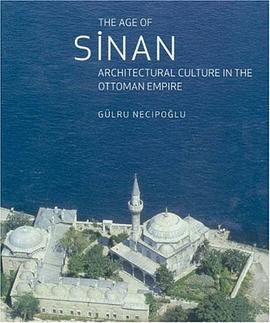
During his tenure as Chief Royal Architect (1539-1588) in the 'Golden Age' of the Ottoman Empire, Sinan designed hundreds of structures that helped create the renowned urban image of Istanbul, particularly mosques with seemingly weightless, light-filled centralized domes that have been compared with developments in Renaissance Italy. His distinctive architectural idiom left its imprint over a vast empire extending from the Danube to the Tigris, and he became the most celebrated of all Ottoman architects. In this lavishly illustrated, major new assessment of Sinan's oeuvre, Gulru Necipoglu challenges standard views of Sinan as a 'Turkish Michelangelo' driven solely by an insatiable urge for artistic experimentation. Her innovative analysis shows that Sinan's rich variety of mosque designs sprang from a process of negotiation between the architect and his elite patrons, both men and women. Defined though they were by social and territorial hierarchies and associated notions of identity, memory, and decorum, Sinan's mosques simultaneously shaped these conceptions. "The Age of Sinan" draws on a wealth of primary sources to reveal the chief architect's monuments as bearers of previously unrecognized dimensions of meaning. A sophisticated study of the cultural and social history of Ottoman architecture, interpreting the oeuvre of a seminal figure in the early modern eastern Mediterranean world, it is must reading for scholars and students of art history and other fields with an interest in the Ottoman Empire.
作者简介
During his tenure as Chief Royal Architect (1539-1588) in the "Golden Age" of the Ottoman Empire, Sinan designed hundreds of structures that helped create the renowned urban image of Istanbul, particularly mosques with seemingly weightless, light-filled centralized domes that have been compared with developments in Renaissance Italy. His distinctive architectural idiom left its imprint over a vast empire extending from the Danube to the Tigris, and he became the most celebrated of all Ottoman architects.
In this lavishly illustrated, major new assessment of Sinan's oeuvre, Gülru Necipoglu challenges standard views of Sinan as a "Turkish Michelangelo" driven solely by an insatiable urge for artistic experimentation. Her innovative analysis shows that Sinan's rich variety of mosque designs sprang from a process of negotiation between the architect and his elite patrons, both men and women. Defined though they were by social and territorial hierarchies and associated notions of identity, memory, and decorum, Sinan's mosques simultaneously shaped these conceptions. The Age of Sinan draws on a wealth of primary sources to reveal the chief architect's monuments as bearers of previously unrecognized dimensions of meaning. A sophisticated study of the cultural and social history of Ottoman architecture, interpreting the oeuvre of a seminal figure in the early modern eastern Mediterranean world, it is must reading for scholars and students of art history and other fields with an interest in the Ottoman Empire.
目录信息
读后感
用户评价
初翻开这本书时,我有些担心其学术性会使阅读过程变得枯燥乏味,但事实证明我的顾虑是多余的。作者显然花费了巨大的心血去搜集和整合来自不同视角的史料,使得论述具有极强的说服力。最让我印象深刻的是,他对当时社会思潮演变的梳理,简直是一场精彩的智力冒险。那些关于道德边界、信仰体系如何在新旧观念碰撞中被重新定义的过程,被阐述得逻辑严密又充满激情。行文中穿插的那些地方性记载和私人信件的引用,如同散落的宝石,点亮了冰冷的历史框架,赋予了它鲜活的生命力。它迫使我不断地停下来思考,审视我们自身所处的时代,那些看似亘古不变的真理,在历史的长河中又是何其脆弱和多变。这本书不仅仅是记录过去,它更像是对“人性”这一永恒主题的一次严肃的哲学探讨,尽管其载体是特定历史背景下的事件。
评分这本厚重的历史著作,简直像是一把钥匙,开启了对一个时代错综复杂社会图景的窥探。作者的笔触细腻得令人惊叹,即便是那些看似微不足道的市井百态,也被描绘得栩栩如生,仿佛能闻到那个年代特有的尘土和烟火气。我尤其欣赏它叙事节奏的把握,时而如高山流水般一泻千里,将宏大的历史脉络梳理得清晰明了;时而又放慢脚步,聚焦于某个关键人物的内心挣扎或某次重大事件的微妙转折。这种张弛有度的叙事,使得即便是对那个时期的历史背景了解不多的读者,也能轻松地沉浸其中,感受到历史的厚重感和人性的复杂性。书中对权力斗争的剖析尤为深刻,它没有简单地将人物标签化,而是深入挖掘了驱使他们在历史洪流中做出抉择的深层动机——那是对生存的渴望、对荣耀的追求,还是难以抗拒的时代洪流?通篇读下来,我感到自己不仅仅是阅读了一个故事,更是与那个遥远的过去进行了一次深入的对话。
评分坦白说,这本书的篇幅着实令人望而生畏,但一旦真正投入进去,时间仿佛就失去了意义。它最成功的地方在于其对“细节的权力”的深刻洞察。作者没有沉湎于歌颂或批判,而是专注于呈现那个时代运作的真实逻辑——那些不成文的规矩、微妙的等级制度、以及无处不在的潜在风险。我特别喜欢那些关于普通人日常生活的细致描摹,比如市场上的物价波动,或是不同阶层对同一场灾难的不同反应。这些“微历史”的碎片,拼凑出了一个立体、有血有肉的古代社会侧面。它教会了我,理解历史,需要的不仅是记住关键日期和人物,更需要理解他们如何在特定的限制下,做出那些看似必然却又充满偶然性的选择。读完后,我感觉自己的思维方式也受到了潜移默化的影响,看待问题更加全面和谨慎。
评分不得不提的是,这本书的排版和装帧设计,体现出一种对阅读体验的尊重。那种厚实的纸张带来的触感,以及字体选择上的考究,都让每一次翻页都成为一种享受。我通常不是一个会仔细研究脚注的读者,但在这本书里,我发现自己会不自觉地去查阅那些标注,因为那些注释往往隐藏着更有趣的轶闻或更精妙的佐证。作者的语言风格非常独特,它既有古典文献的庄重,又融入了现代散文的流畅与机敏。尤其是在描述那些动荡不安的场面时,那种画面感极强,仿佛透过作者的文字,我能亲眼目睹城墙下的喧嚣和宫廷里的阴影。它没有宏大叙事时那种抽离感,而是紧紧抓住了“人”的视角,通过个体命运的沉浮,折射出整个时代的风云变幻。
评分这本书的结构安排颇具匠心,它没有采用严格的编年体叙事,而是根据主题和影响力的层级进行划分,这种处理方式极大地提升了阅读的连贯性和趣味性。在我看来,作者的核心贡献在于他成功地构建了一套解释体系,将原本看似零散、互不关联的历史事件串联起来,形成了一个有机的整体。这不像是一本单纯的历史教科书,更像是一部精心编排的交响乐,不同的乐章(章节)在各自的高潮和低谷中运行,最终汇集成一个震撼人心的结局。阅读过程中,我反复停下来回味那些被作者赋予了新解读的经典历史片段,那些曾经被我简单理解的概念,此刻在多维度的分析下,展现出了前所未有的深度和复杂性。这种“去伪存真”的求索过程,是阅读这本巨著最令人满足的部分。
评分 评分 评分 评分 评分