具体描述
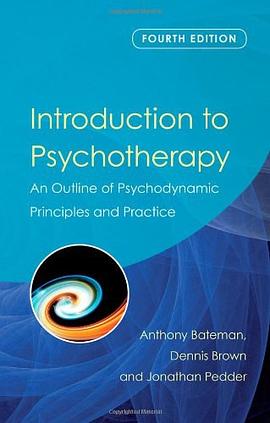
This new edition of the classic psychodynamic psychiatry text, Psychodynamic Psychiatry in Clinical Practice, continues its tradition as the most readable, scholarly, and practical introduction to psychodynamic theory and practice available. Kept within arm's reach of all mental health professionals, this invaluable Aone-stopA reference will prepare you to teach students and treat patients more effectively with its truly integrative psychodynamic approach. The author has meticulously updated every chapter of the previous edition, adding new illustrative case examples and discussing the most recent research findings and concepts in psychodynamic psychiatry. It introduces the basic principles of psychodynamic psychiatry and the four fundamental theoretical frameworks derived from psychoanalytic theory: ego psychology, object relations theory, self psychology, and attachment theory. Drawing on the latest breakthroughs in neuroscience to validate the latest psychodynamic thinking, the author includes neuroanatomical illustrations that highlight the need to integrate psychoanalytic theories of development with brain development and the impact of environment on gene expression. The eminently practical Psychodynamic Psychiatry in Clinical Practice is organized into three distinct sections based on DSM-IV diagnoses: -Section I, Basic Principles and Treatment Approaches in Dynamic Psychiatry, begins by laying a foundation in psychoanalytic theory. It focuses on how to apply psychoanalytic theory to specific types of evaluation and treatment, including psychodynamic assessment, brief therapy, individual and group psychotherapy, family and marital therapy, pharmacotherapy, and hospital/partial hospital treatment. -Section II, Dynamic Approaches to Axis I Disorders, covers the major psychiatric disorders and discusses how to apply psychodynamic understanding to the treatment of patients with these disorders. -Section III, Dynamic Approaches to Axis II Disorders, provides a psychodynamic understanding of personality disorders and covers in detail the principles of psychodynamic psychotherapy for these conditions. The fourth edition of Psychodynamic Psychiatry in Clinical Practice details the theory of psychodynamic psychotherapy and the adaptation of psychodynamic thinking to specific disorders. As such, it is an ideal companion to Dr. Gabbard's Long-Term Psychodynamic Psychotherapy: A Basic Text, which details the techniques of dynamic psychotherapy. The bestselling Psychodynamic Psychiatry in Clinical Practice is the definitive reference for training programs of all kinds at all levels. This new edition provides a clear synthesis of diagnostic understanding and treatment unmatched in the literature. Marked by Dr. Gabbard's distinctly lucid and compelling prose, it is the ultimate psychiatric guide for the busy clinician and mental health student.
作者简介
目录信息
读后感
用户评价
这本书的书名实在是太晦涩难懂了,初次接触时,我几乎要放弃翻开它。封面设计也略显陈旧,仿佛是上个世纪的学术著作,完全没有吸引力。我本来期望能找到一些关于日常心理困扰的实用建议,比如如何更好地与伴侣沟通,或者如何应对工作中的压力。然而,这本书的内容更像是一部深奥的理论教材,充满了专业术语和复杂的概念模型。阅读过程中,我时常需要停下来,查阅那些我完全不熟悉的词汇,这极大地打断了我的阅读流畅性。如果作者能用更平易近人的语言来阐述观点,或者加入一些真实的临床案例来辅助理解,哪怕只是一个简短的引子,我想我都会更容易进入状态。对于非专业人士来说,这本书的门槛实在是太高了,感觉自己像个闯入者,完全跟不上作者的思路。我更倾向于那些能够直接提供行动指南的书籍,这本书似乎更侧重于描绘精神世界的复杂地图,而不是教你如何导航。
评分阅读这本书的过程,简直像是一场智力上的马拉松,而且赛道上布满了障碍。作者的论述倾向于一种极其严谨和抽象的风格,每一个论点都需要层层剥茧才能触及核心。我理解学术写作需要深度,但对于一个寻求实践指导的读者来说,这种过度抽象的描述反而让人感到遥远和不真实。比如,当谈到某种特定的治疗技术时,我更想看到的是“在什么情况下使用”以及“具体操作步骤是什么”,而不是对该技术背后哲学根源的长篇大论。我总是在寻找那些可以立刻应用到生活或工作中去的小技巧、小窍门,但这本书里似乎更关注的是“为什么会这样”的形而上学探讨,而非“如何做”的实用策略。这种偏离实用性的写作方向,让我感觉自己购买的并非一本“临床实践”手册,而是一本高阶的理论参考书。
评分这本书的结构安排似乎完全不考虑读者的阅读习惯。章节之间的逻辑跳跃性非常大,前一页还在讨论A理论的某个分支,下一页就突然转向了B理论的临床应用,中间缺乏必要的过渡和衔接。我花了大量时间试图在这些看似不相关的知识点之间建立联系,但最终还是感到力不从心。我希望作者能提供一个清晰的脉络图,哪怕只是在每章开头或结尾做个简单的总结和展望,引导读者理解知识点的来龙去脉。现在的阅读体验更像是走在一个布满岔路口、却没有任何指示牌的迷宫里,每走一步都充满了不确定性。说实话,我期待的是一本能够系统地、循序渐进地引导我学习的指南,而不是一堆散落的学术珍珠。这种排版和组织方式,使得原本可能很有价值的洞察被淹没在了混乱的叙述中,非常令人沮丧。
评分坦白说,这本书的语言风格太过于冷峻和疏离,完全没有那种拉近与读者距离的热情。作者的语气更像是在对同行进行学术报告,充满了专业领域的傲慢感,仿佛读者已经对所有基础知识了如指掌。我期待的是一种更具人文关怀的叙事方式,或许可以多引用一些富有启发性的、关于人类经验的片段,来柔化那些坚硬的理论框架。例如,在解释某种深层焦虑时,穿插一个关于普通人如何应对生活变故的故事,就能极大地增强说服力和代入感。目前的阅读感受,就像是隔着一层厚厚的玻璃观察人类心灵的运作,看得清楚,却感受不到温度。这本书似乎更青睐于对概念的精确定义,而牺牲了对读者情感和理解上的培育,这使得它在建立持久的阅读兴趣方面显得力不从心。
评分这本书的篇幅冗长得令人望而生畏,每一页都密密麻麻地印满了文字,几乎没有喘息的空间。我尝试着利用碎片时间阅读,比如通勤路上或者睡前,但很快就被这种信息密度压垮了。插图、图表或者任何形式的视觉辅助材料几乎是缺失的,这对于理解复杂的心理动力学概念来说,是一个巨大的遗憾。如果能用流程图来展示不同心理防御机制之间的相互作用,或者用表格来对比几种主要的治疗学派的异同,我相信阅读效率会提升数倍。现在的文字堆砌,使得记忆和检索信息都变得异常困难。我更喜欢那些能够用简洁的图文结合来呈现复杂信息的书籍,它们能帮助我的大脑快速建立图像记忆。这本书的阅读体验,更像是被动地接收一整块沉重的知识砖头,而不是享受一次知识的探索之旅。
评分 评分 评分 评分 评分