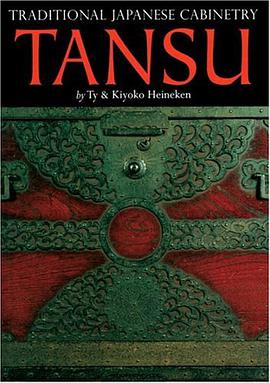
具体描述
Modernist Jewelry: A Revolution in Adornment (1930-1960) This insightful volume delves into a transformative era for jewelry design, spanning the pivotal decades of 1930 to 1960. It explores how artists and designers, responding to the seismic shifts of the 20th century, reimagined adornment, moving beyond traditional opulence towards a bolder, more contemporary aesthetic. The book traces the influences of major artistic movements, societal changes, and technological advancements that coalesced to define modernist jewelry. From the streamlined elegance of Art Deco, which carried its influence into the early years of this period, to the bold experimentation of the post-war era, the narrative highlights the designers and ateliers who pushed the boundaries of convention. We examine the embrace of new materials, from plastics and bakelite to innovative metalwork techniques, alongside the reinterpretation of precious stones and metals. The emphasis shifts from mere display of wealth to the intrinsic beauty of form, texture, and innovative composition. The volume showcases how modernist jewelry reflected the changing roles of women, the rise of modernism in architecture and design, and the impact of global events. It investigates the distinctive characteristics that set this period apart: the use of abstract shapes, geometric patterns, asymmetrical arrangements, and a focus on the sculptural qualities of jewelry. The exploration extends to the evolving relationship between the wearer and the piece, with jewelry becoming an expression of individuality and a statement of modern sensibility. Key Themes Explored: Artistic Movements and Influences: The book meticulously dissects the impact of Art Deco, Bauhaus, Surrealism, and Abstract Expressionism on jewelry design. It illustrates how artists translated the principles of these movements – linearity, functionality, dreamlike imagery, and gestural freedom – into wearable art. Examples might include the geometric precision of René Lalique's later works, the witty and often symbolic creations of Elsa Schiaparelli, or the sculptural dynamism seen in pieces by Jean Schlumberger. Materials and Techniques: A significant portion of the book is dedicated to the innovative use of materials. It details the rise of costume jewelry and its sophistication, showcasing how designers like Miriam Haskell and Trifari elevated its status through meticulous craftsmanship and the imaginative use of rhinestones, faux pearls, and base metals. The exploration of plastics and bakelite reveals their versatility in creating bold colors and sculptural forms, perfectly embodying the modern spirit. Furthermore, the book examines advancements in metalworking, such as the widespread use of platinum and gold in new configurations, and techniques like granulation and filigree adapted to contemporary aesthetics. Iconic Designers and Ateliers: The volume profiles the key figures who shaped modernist jewelry. This includes examining the avant-garde approaches of independent jewelers and the significant contributions of major houses like Cartier, Van Cleef & Arpels, and Harry Winston, who adapted their styles to embrace modernism. The book highlights the designers who moved away from purely precious materials to explore new visual languages, often creating pieces that were as much sculptural objects as they were adornments. We might see the exploration of designs that played with scale, movement, and unexpected juxtapositions of materials. Societal and Cultural Context: The period between 1930 and 1960 was a time of immense social and cultural upheaval. The book contextualizes jewelry design within this framework, discussing how the Great Depression influenced the demand for more accessible and yet stylish adornments, and how World War II spurred innovation in materials and a more utilitarian approach to design in some quarters. The post-war era, with its economic boom and changing social norms, saw a resurgence of elaborate and celebratory designs, but still infused with modernist sensibilities. The changing role of women in society, their increasing independence and participation in the workforce, is also reflected in the types of jewelry that became popular – pieces that were both practical and stylish, conveying confidence and modernity. The Evolution of Style: The book traces the stylistic evolution from the geometric sophistication of the 1930s to the bolder, more organic, and often playful designs of the 1940s and 1950s. It contrasts the restrained elegance of some pieces with the exuberant and sculptural qualities of others. The narrative highlights how jewelry became an increasingly personal form of expression, moving away from rigid adherence to tradition and embracing individual creativity. The shift from overtly decorative to a more thoughtful, considered approach to beauty is a recurring theme. Modernist Jewelry: A Revolution in Adornment (1930-1960) offers a comprehensive journey through a dynamic and influential period in the history of jewelry. It provides a rich visual and intellectual exploration of how designers transformed precious materials and embraced new ones to create pieces that were not only beautiful but also profoundly reflective of their time. This book is an essential resource for collectors, designers, and anyone interested in the art and history of adornment.
作者简介
目录信息
读后感
评分
评分
评分
评分
评分
用户评价
评分
评分
评分
评分
评分