
具体描述
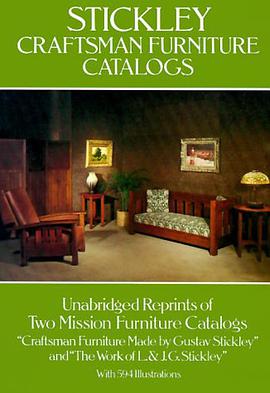
594 illustrations, including 277 photos, of authentic, prized, Craftsman furniture as shown in two catalogs -- circa 1910 -- by foremost manufacturers. Numerous settles, rockers, armchairs, bookcases, plus many other kinds of pieces. Captions.
Craftsman Furniture Catalogues: A Glimpse into Enduring Design and Craftsmanship This collection offers an evocative journey into the heart of the Arts and Crafts movement, specifically focusing on the enduring legacy of Craftsman furniture. Far from a mere listing of furniture pieces, these catalogues serve as invaluable historical documents, providing a tangible connection to an era that celebrated thoughtful design, meticulous craftsmanship, and a deep appreciation for natural materials. Through their pages, one can explore the philosophy that underpinned the creation of furniture intended to be both functional and beautiful, designed to enrich the lives of those who owned and used it. The sheer visual richness within these catalogues is striking. Expect to find detailed illustrations and, in some cases, early photographic reproductions of a diverse range of furniture. From the sturdy yet elegant dining tables and chairs, designed to gather families and foster connection, to the welcoming embrace of armchairs and settees perfect for quiet contemplation, each piece reflects a commitment to solidity and comfort. Wardrobes, chests of drawers, and sideboards showcase ingenious storage solutions seamlessly integrated into their aesthetic, demonstrating that practicality was never sacrificed for beauty. Even smaller items, such as side tables, lamps, and decorative accents, are rendered with the same attention to detail, proving that the Craftsman ethos extended to every facet of the home. Beyond the individual pieces, these catalogues offer a window into the broader design principles of the Craftsman style. You will observe the consistent use of honest materials – primarily solid wood, often oak, celebrated for its natural grain and durability. The joinery is not hidden but often proudly displayed, a testament to the skill of the woodworker. Dovetail joints, mortise and tenon connections, and pegged constructions are frequently evident, speaking to a belief in building things that are meant to last for generations. The finishes are typically natural and understated, allowing the inherent beauty of the wood to shine through. The scale and proportion of the furniture are also noteworthy. Craftsman pieces are often characterized by their substantial presence, conveying a sense of permanence and grounding. Yet, they are rarely ostentatious. The lines are clean and deliberate, eschewing unnecessary ornamentation in favor of forms that are both structurally sound and visually pleasing. Expect to see recurring motifs inspired by nature – stylized leaves, flowers, and geometric patterns – subtly incorporated into carvings, inlays, or the overall structure of the furniture. These elements are not mere decoration but are integral to the design, reflecting the movement's philosophical grounding in the natural world. The catalogues themselves are often works of art. The typography, layout, and quality of the paper used speak to a dedication to presentation. They were not simply sales tools but also educational resources, intended to inform potential customers about the quality, materials, and design philosophy behind these exceptional furnishings. As you peruse these pages, you are not just looking at furniture; you are immersing yourself in the language of a particular design movement, understanding the values it championed and the aesthetic it cultivated. Furthermore, these catalogues can provide insights into the social and economic context of their time. They reflect a growing middle class with a desire for well-made, aesthetically pleasing home furnishings that offered an alternative to the ornate and often mass-produced styles prevalent at the time. The emphasis on craftsmanship and natural materials resonated with a public increasingly seeking authenticity and quality in their possessions. In essence, these Craftsman Furniture Catalogues are much more than a historical record of furniture styles. They are a celebration of an enduring design philosophy, a testament to the beauty of honest materials, and a tribute to the skill of the artisans who brought these pieces to life. They invite us to slow down, to appreciate the thoughtful creation of objects, and to consider the lasting impact of well-designed furniture on our daily lives and living spaces. They are a valuable resource for anyone interested in furniture history, design, or the enduring appeal of the Arts and Crafts movement, offering a rich and rewarding exploration of a pivotal period in decorative arts.
作者简介
目录信息
读后感
评分
评分
评分
评分
评分
用户评价
评分
评分
评分
评分
评分