
具体描述
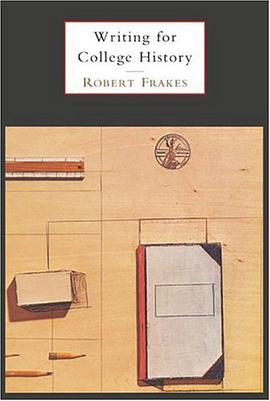
Prepared by Robert M. Frakes, Clarion University. This brief handbook for survey courses in American history, Western Civilization/European history, and world civilization guides students through the various types of writing assignments they encounter in a history class. Providing examples of student writing and candid assessments of student work, this text focuses on the rules and conventions of writing for the college history course.
Writing for College History: A Comprehensive Guide This guide offers a thorough and practical approach to mastering the art of historical writing in an academic setting. Designed for undergraduate students embarking on their college-level history studies, it demystifies the often-daunting task of producing well-researched, clearly articulated, and persuasively argued historical essays and research papers. Understanding the Foundations of Historical Inquiry: The book begins by establishing a solid understanding of what constitutes historical inquiry. It delves into the nature of historical evidence, exploring the critical differences between primary and secondary sources and the indispensable role they play in constructing historical narratives. Students will learn how to identify, evaluate, and critically analyze a wide range of historical materials, from archival documents and personal letters to scholarly articles and monographs. Emphasis is placed on developing a discerning eye for bias, context, and the inherent limitations of any given source. Crafting a Compelling Historical Argument: At the heart of effective historical writing lies the ability to construct a strong, evidence-based argument. This guide breaks down the process into manageable steps, beginning with the crucial skill of formulating a focused and insightful research question. Students will learn how to move from broad topics to specific, manageable areas of inquiry, setting the stage for a successful research endeavor. The book then systematically guides readers through the process of developing a clear and persuasive thesis statement – the central claim that will drive their entire paper. Practical strategies for organizing research findings, identifying patterns, and synthesizing information to support this thesis are provided, ensuring that every essay has a coherent and logical flow. The Mechanics of Historical Writing: From Outline to Polish: Beyond the conceptual framework, Writing for College History provides essential guidance on the practical mechanics of academic writing. It covers the entire writing process, from initial brainstorming and creating detailed outlines to drafting and revising. Readers will discover techniques for structuring different types of historical writing, including analytical essays, research papers, and literature reviews. Specific advice is offered on crafting effective introductions that hook the reader and clearly state the thesis, developing body paragraphs that present evidence and analysis in a logical sequence, and writing conclusions that summarize findings and offer broader implications. Mastering Citation and Avoiding Plagiarism: The book dedicates significant attention to the critical importance of proper citation in historical scholarship. It offers detailed explanations and practical examples of major citation styles commonly used in history, such as Chicago/Turabian. Students will learn how to accurately attribute all sources, understand the nuances of quoting, paraphrasing, and summarizing, and develop habits that prevent accidental plagiarism. This section aims to instill a deep respect for intellectual honesty and equip students with the confidence to navigate citation requirements with precision. Engaging with Historical Narratives and Interpretations: Writing for College History also explores the interpretive nature of history. It encourages students to move beyond mere description and engage with the historiography of their chosen topic – understanding how different historians have interpreted the same events or figures. The guide provides strategies for analyzing and responding to existing scholarship, demonstrating how to build upon, challenge, or refine previous interpretations through original research and analysis. Students will learn to recognize that historical writing is not just about reporting facts, but about constructing meaning and offering persuasive arguments about the past. Refining Your Prose: Clarity, Style, and Tone: The book recognizes that clear and engaging prose is vital for effective historical communication. It offers practical advice on improving sentence structure, word choice, and overall writing style. Emphasis is placed on maintaining an objective and academic tone, using precise language, and avoiding jargon or overly casual phrasing. Students will learn how to craft sentences that are both informative and easy to follow, ensuring their ideas are conveyed effectively to their audience. Revision and editing are presented not as an afterthought, but as an integral part of the writing process, with tips for self-editing and peer review. Navigating the Research Process: A substantial portion of the guide is dedicated to the research process itself. It covers strategies for effectively utilizing university libraries, online databases, and archival resources. Students will learn how to conduct efficient literature searches, identify key scholarly debates, and gather relevant evidence. The book also addresses the practicalities of managing research materials, taking effective notes, and organizing research findings in preparation for writing. In essence, Writing for College History serves as an indispensable companion for any student seeking to excel in their history coursework. It is a comprehensive resource that not only imparts the fundamental principles of historical writing but also cultivates critical thinking skills, research acumen, and the confidence to engage meaningfully with the past. By equipping students with these essential tools, the book empowers them to become more effective historians and more articulate communicators of historical knowledge.
作者简介
目录信息
读后感
评分
评分
评分
评分
评分
用户评价
评分
评分
评分
评分
评分