
具体描述
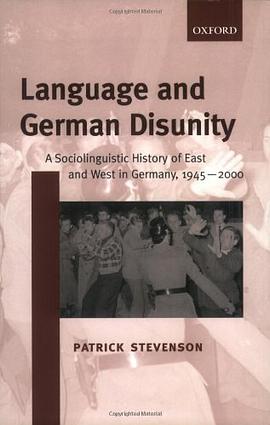
Modern English: A Journey Through Its Transformations This comprehensive volume delves into the dynamic evolution of the English language, focusing on the intricate ways in which its structure, vocabulary, and usage have been shaped by centuries of change. We embark on an exploration of the forces that have propelled Modern English from its Middle English roots to its current global status. I. The Foundation: From Middle English to Early Modern English Our journey begins with a meticulous examination of the transition from Middle English to the nascent stages of Modern English. This period witnessed profound linguistic shifts, including the Great Vowel Shift, a pivotal transformation in pronunciation that continues to influence English phonetics today. We will dissect the impact of this shift on vowel sounds and its role in creating the distinctive pronunciation patterns of Modern English. Furthermore, we will analyze the significant contributions of the Renaissance to the English lexicon. The influx of classical Latin and Greek vocabulary, driven by a renewed interest in ancient learning, enriched and expanded the language in unprecedented ways. We will explore the etymology and semantic evolution of key borrowed words and assess their integration into the existing English framework. The printing press, a revolutionary invention, played a crucial role in standardizing spelling and grammar. This section will investigate the emergence of a more unified written form of English and the gradual establishment of grammatical norms that laid the groundwork for future linguistic development. We will consider the influence of early grammarians and their efforts to codify English usage. II. The Age of Expansion: Late Modern English and Beyond The subsequent centuries saw Modern English embark on a trajectory of unparalleled expansion, both geographically and in terms of its functional diversity. This volume will meticulously document the linguistic impact of British colonialism and the subsequent spread of English across continents. We will examine how contact with indigenous languages and the unique socio-cultural contexts of former colonies led to the development of diverse regional varieties and the enrichment of English vocabulary with words and phrases from around the globe. The Industrial Revolution and subsequent technological advancements fueled a rapid growth in specialized terminology. This section will trace the coining and adoption of new words and phrases related to science, technology, industry, and commerce. We will analyze the mechanisms of word formation, including compounding, affixation, and the creation of acronyms, that characterized this period of lexical explosion. The rise of mass media, literature, and popular culture in the 18th and 19th centuries further solidified the position of Modern English as a global language. We will explore the stylistic innovations and linguistic trends that emerged from the works of prominent writers, poets, and playwrights, assessing their lasting impact on the language's expressive capabilities. III. The Contemporary Landscape: Global English and Ongoing Transformations In the modern era, Modern English continues to evolve at an astonishing pace, driven by globalization, the internet, and new forms of communication. This volume will provide an in-depth analysis of the concept of "Global English" and its multifaceted implications. We will discuss the characteristics of World Englishes, the variations in pronunciation, grammar, and vocabulary that have emerged in different regions of the world, and their growing influence on the global linguistic landscape. The digital revolution has introduced new modes of expression and communication, profoundly impacting English usage. This section will investigate the linguistic features of internet slang, social media language, and the evolving nature of digital discourse. We will examine how these new forms of communication are shaping grammar, punctuation, and vocabulary, and consider their potential long-term effects on the language. Furthermore, this book will explore the ongoing debates surrounding language standardization, prescriptivism versus descriptivism, and the challenges of maintaining intelligibility across diverse English-speaking communities. We will consider the dynamic interplay between innovation and tradition in the ever-evolving world of Modern English. IV. Key Themes and Analytical Approaches Throughout this extensive study, several key analytical approaches will be employed to illuminate the complexities of Modern English: Sociolinguistics: We will examine how social factors such as class, gender, age, and ethnicity influence language use and variation. Historical Linguistics: A rigorous chronological approach will trace the development of linguistic features over time, drawing on historical texts and linguistic evidence. Lexicography and Semantics: The evolution of word meanings and the principles of dictionary creation will be explored to understand lexical change. Phonology and Phonetics: The intricate system of English sounds and their historical development will be meticulously analyzed. Morphology and Syntax: The structure of words and sentences will be studied to understand grammatical evolution. This book offers a comprehensive and nuanced exploration of the remarkable journey of Modern English, providing readers with a deep appreciation for its rich history, its dynamic present, and its ever-unfolding future. It is an indispensable resource for students, scholars, and anyone fascinated by the power and adaptability of the English language.
作者简介
目录信息
读后感
评分
评分
评分
评分
评分
用户评价
评分
评分
评分
评分
评分