
具体描述
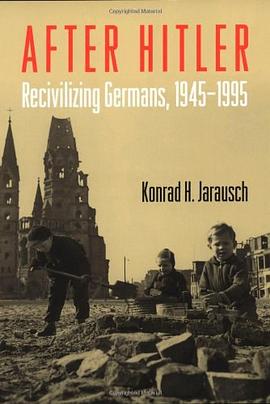
In the spring of 1945, as the German army fell in defeat and the world first learned of the unspeakable crimes of the Holocaust, few would have expected that, only half a century later, the Germans would emerge as a prosperous people at the forefront of peaceful European integration. How did the Germans manage to recover from the shattering experience of defeat in World War II and rehabilitate themselves from the shame and horror of the Holocaust? In After Hitler, Konrad H. Jarausch seeks to answer this question by analyzing how civility and civil society, destroyed by the Nazi regime, were restored during the post-war period. It took a joint effort by the victors and the vanquished to bring about such a fundamental reorientation. In the aftermath of World War II, the Allies forced the defeated and divided Germans to demilitarize, denationalize, and decartelize, thereby setting them on a path towards physical recovery. During the 1960s and early 1970s, however, internal rethinking began to overshadow outside intervention as the Germans themselves began westernizing their political culture and democratizing their outlook. A younger generation also vocally protested the status quo. As a united Germany rose from the ruins of the Berlin Wall after 1989, the Germans attempted to complete their material and moral metamorphosis by repudiating communism, adopting a commitment to human rights, and dealing with contentious issues of immigration and citizenship. Viewed from the vantage point of the physical and moral devastation of 1945, this rebirth is a truly astounding success story, providing a unique look at a nation's recovery from dictatorship and its atonement for massivecrimes. Unlike other intellectual inquiries into German efforts to deal with the Nazi past, After Hitler primarily focuses on the practical lessons a disoriented people drew from their past misdeeds, and their struggle to create a new society with a sincere and deep commitment to human rights. After Hitler offers a comprehensive view of the breathtaking transformation of the Germans from the defeated Nazi accomplices and Holocaust perpetrators of 1945 to the civilized, democratic people of today's Germany. More Reviews and Recommendations
In the spring of 1945, as the German army fell in defeat and the world first learned of the unspeakable crimes of the Holocaust, few would have expected that, only half a century later, the Germans would emerge as a prosperous people at the forefront of peaceful European integration. How did the Germans manage to recover from the shattering experience of defeat in World War II and rehabilitate themselves from the shame and horror of the Holocaust? In After Hitler, Konrad H. Jarausch seeks to answer this question by analyzing how civility and civil society, destroyed by the Nazi regime, were restored during the post-war period. It took a joint effort by the victors and the vanquished to bring about such a fundamental reorientation. In the aftermath of World War II, the Allies forced the defeated and divided Germans to demilitarize, denationalize, and decartelize, thereby setting them on a path towards physical recovery. During the 1960s and early 1970s, however, internal rethinking began to overshadow outside intervention as the Germans themselves began westernizing their political culture and democratizing their outlook. A younger generation also vocally protested the status quo. As a united Germany rose from the ruins of the Berlin Wall after 1989, the Germans attempted to complete their material and moral metamorphosis by repudiating communism, adopting a commitment to human rights, and dealing with contentious issues of immigration and citizenship. Viewed from the vantage point of the physical and moral devastation of 1945, this rebirth is a truly astounding success story, providing a unique look at a nation's recovery from dictatorship and its atonement for massivecrimes. Unlike other intellectual inquiries into German efforts to deal with the Nazi past, After Hitler primarily focuses on the practical lessons a disoriented people drew from their past misdeeds, and their struggle to create a new society with a sincere and deep commitment to human rights. After Hitler offers a comprehensive view of the breathtaking transformation of the Germans from the defeated Nazi accomplices and Holocaust perpetrators of 1945 to the civilized, democratic people of today's Germany.
Konrad H. Jarausch is the Lurcy Professor of European Civilization at the University of North Carolina at Chapel Hill and director of the Center for Research in Contemporary History in Potsdam, Germany. He has published over two dozen books on modern German and European history.
作者简介
目录信息
读后感
After Hitler: Recivilizing Germans, 1945-1995 《后希特勒时代:德意志重返文明,1945—1995》 Konrad H. Jarausch 1945年,当德国军队战败,世界第一次知晓了他们难以名状的罪行“犹太大屠杀”时,很少有人会预料到仅仅过了半个世纪,德国人就以一支繁荣兴旺的民族的身份出...
评分After Hitler: Recivilizing Germans, 1945-1995 《后希特勒时代:德意志重返文明,1945—1995》 Konrad H. Jarausch 1945年,当德国军队战败,世界第一次知晓了他们难以名状的罪行“犹太大屠杀”时,很少有人会预料到仅仅过了半个世纪,德国人就以一支繁荣兴旺的民族的身份出...
评分After Hitler: Recivilizing Germans, 1945-1995 《后希特勒时代:德意志重返文明,1945—1995》 Konrad H. Jarausch 1945年,当德国军队战败,世界第一次知晓了他们难以名状的罪行“犹太大屠杀”时,很少有人会预料到仅仅过了半个世纪,德国人就以一支繁荣兴旺的民族的身份出...
评分After Hitler: Recivilizing Germans, 1945-1995 《后希特勒时代:德意志重返文明,1945—1995》 Konrad H. Jarausch 1945年,当德国军队战败,世界第一次知晓了他们难以名状的罪行“犹太大屠杀”时,很少有人会预料到仅仅过了半个世纪,德国人就以一支繁荣兴旺的民族的身份出...
评分After Hitler: Recivilizing Germans, 1945-1995 《后希特勒时代:德意志重返文明,1945—1995》 Konrad H. Jarausch 1945年,当德国军队战败,世界第一次知晓了他们难以名状的罪行“犹太大屠杀”时,很少有人会预料到仅仅过了半个世纪,德国人就以一支繁荣兴旺的民族的身份出...
用户评价
这本书的语言质感,是我近年来读到的最令人振奋的体验之一。它并非追求辞藻的华丽堆砌,而是追求一种精确到骨髓的表达力。作者对于德语(或其他相关语言的意象)的运用,充满了对文化肌理的深刻理解,即使是翻译过来的文字,那种沉重感和历史的重量感也清晰可辨。我感觉自己不是在阅读文字,而是在触摸那段泥泞、充满灰尘和汗水的真实地面。情节推进的节奏处理得非常高明,它没有强行制造戏剧冲突,而是让冲突自然地从人物的处境和历史的必然性中生长出来。这种“内生性”的张力,比任何外加的悬念都更具穿透力。每一次阅读,我都像是在参与一场漫长的、需要极大耐心的探索,但最终的回报是巨大的——那是一种对历史本质的豁然开朗。这本书成功地在史实考据的严谨性与文学叙事的感染力之间,找到了一个近乎完美的平衡点。
评分这本书的开篇就将我牢牢地吸引住了。作者以一种近乎手术刀般精准的笔触,剖开了战后欧洲社会那层脆弱的平静外衣,展示了隐藏在光鲜之下的权力真空与精神废墟。我尤其欣赏他对细节的捕捉,那些看似微不足道的日常碎片,却被巧妙地编织成了一幅宏大而又逼真的历史织锦。叙事节奏的把握堪称一绝,时而如急流般裹挟着人物卷入历史的洪流,时而又放缓下来,让我们得以深入观察那些复杂人性的幽微之处。书中的人物群像立体得令人心惊,他们不是简单的符号,而是活生生的,带着各自的创伤、妥协与挣扎。那种在道德灰色地带游走的艰难抉择,那种对“何以为人”的深刻叩问,让我的思绪久久不能平静。它绝非一本简单的历史回顾,而更像是一次对人类精神韧性的深度探访,充满了对未来可能性的隐晦预言。阅读过程中,我常常需要停下来,去回味那些措辞精妙的段落,感受其背后蕴含的巨大张力。
评分读完合上书的那一刻,一股久违的沉重感占据了我。这本书最震撼我的地方,在于它毫不留情地揭示了“重建”的代价与虚妄性。作者并没有给出廉价的安慰剂或者简单的对错判断,而是将历史的责任和个体选择的重量,清晰地放在了读者的肩上。我尤其关注到其中关于战后社会中“沉默”的描绘,那种集体性的选择性失忆,是如何通过日常的寒暄和既定的仪式感得以维护的。这种对社会心理学的洞察,超越了一般的政治史范畴。作者的笔调时而冷峻如冰,时而又在描绘个体的脆弱时流露出深沉的同情,这种复杂的情感光谱,使得作品的厚度倍增。它迫使你不断地审视自己对于“正义”和“和解”的定义,让人在合上书本后,依然无法轻易地从那个时代抽离出来。
评分说实话,刚翻开这本书时,我还有点担心它会陷入那种枯燥的学术说教,毕竟主题如此宏大且敏感。然而,作者的文风却是出人意料的流畅和富有文学性。他似乎拥有某种魔力,能将复杂的政治博弈和微妙的心理变化,转化为一幕幕扣人心弦的戏剧场景。我特别喜欢作者在描述那些关键转折点时的克制与张力——没有歇斯底里的呐喊,只有冷静的叙述下,暗流涌动的巨大悲剧感。比如他对某一权力交接过程中,几位关键人物私下会面的描写,那份剑拔弩张却又彬彬有礼的氛围,简直让我屏住了呼吸。更值得称道的是,作者对于“记忆”与“遗忘”这一主题的探讨,那种不同代际对同一段历史的不同解读与处理方式,被描绘得入木三分。这本书的结构设计也极具巧思,信息的层层递进,如同剥洋葱一般,每一次剥开都能发现新的内涵,让人欲罢不能地想知道下一层又藏着什么秘密。
评分这是一部极具野心的作品,其广度和深度都令人叹为观止。作者似乎拥有多重视角,既能宏观地把握战后欧洲的权力版图变动,又能微观地聚焦于某个偏远小镇上几个家庭的命运纠葛。最让我印象深刻的是它对“未竟之业”的刻画——那些没有被彻底解决的历史遗留问题,是如何像幽灵一样渗透到下一代人的生活结构中的。阅读体验更像是在解谜,作者抛出的碎片化的信息和看似不经意的暗示,需要读者主动去拼凑出一个完整的图景,这极大地调动了读者的主动参与性。书中对特定历史人物的心理侧写,尤其精彩,避免了将他们简单脸谱化,而是展现了人性在极端压力下的多面性和矛盾性。总而言之,这本书为我提供了一个全新的、更具批判性的框架去理解现代欧洲的根基,其对细微差别的敏感度,堪称典范。
评分 评分 评分 评分 评分