
具体描述
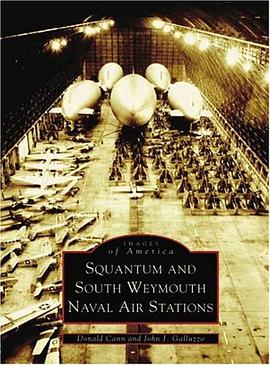
Squantum and South Weymouth Naval Air Stations: A Legacy of Aviation and Defense in Massachusetts Nestled along the picturesque coastline of Massachusetts, the Squantum and South Weymouth Naval Air Stations represent a significant chapter in American aviation and defense history. These storied bases, now largely repurposed, once buzzed with the roar of engines, the dedication of servicemen and women, and the vital mission of national security. This chronicle delves into their rich past, exploring their establishment, their crucial roles during pivotal moments in history, and their enduring impact on the communities they served. The Genesis of Squantum: A Strategic Outpost Emerges The story of Squantum Naval Air Station begins in the early 20th century, a period marked by rapid advancements in aviation technology and a growing awareness of the strategic importance of air power. Recognizing the need for a dedicated naval air facility in the burgeoning industrial heartland of New England, the United States Navy identified Squantum Point, a strategically located peninsula in Quincy, Massachusetts, as an ideal site. Its proximity to Boston Harbor offered excellent access for seaplanes and the potential for land-based aircraft operations. The establishment of the Squantum facility was a testament to foresight and an investment in the future of naval aviation. Construction commenced, transforming the windswept point into a hub of aerial activity. Hangar bays, barracks, and maintenance facilities began to take shape, laying the groundwork for a significant military installation. The early years at Squantum were characterized by pioneering efforts in naval aircraft development, pilot training, and the integration of aviation into naval operations. This era laid the foundation for the base's future contributions to national defense. South Weymouth Naval Air Station: A Vital Hub for Air Power Complementing the operations at Squantum, the South Weymouth Naval Air Station emerged as another critical component of the region's naval aviation infrastructure. Located inland from Squantum, South Weymouth provided an expansive land area suitable for larger aircraft operations and extensive training exercises. Its development was intertwined with the increasing demands placed upon the Navy's air arm, particularly as global tensions escalated. The South Weymouth base was designed and built to accommodate a growing fleet of aircraft and a large contingent of personnel. It featured extensive runways, aircraft maintenance depots, and administrative buildings, all contributing to its operational efficiency. The base became a center for advanced flight training, specialized aircraft operations, and the logistical support necessary for sustained air campaigns. Its strategic location and robust infrastructure made it an indispensable asset to the U.S. Navy. World War II and the Apex of Operations The outbreak of World War II marked a period of unprecedented activity and significance for both Squantum and South Weymouth Naval Air Stations. These bases transformed into vital centers for training pilots, maintaining aircraft, and supporting the war effort on a global scale. At Squantum, the focus often included the training of pilots for seaplanes and early carrier-based aircraft. The base played a critical role in preparing aviators for the demanding conditions of naval warfare, honing their skills in reconnaissance, anti-submarine patrols, and combat operations. The constant activity and the dedication of its personnel underscored Squantum's importance in bolstering the Navy's air superiority. South Weymouth, with its expansive facilities, became a hub for training a multitude of naval aviators destined for various theaters of war. It served as a staging ground for aircraft and personnel, contributing directly to the projection of American air power. The base's infrastructure was continuously upgraded to meet the evolving needs of wartime aviation, including the development and deployment of new aircraft types. The tireless efforts of the men and women stationed at South Weymouth were instrumental in achieving victory. The Post-War Era and Evolving Missions Following the conclusion of World War II, Squantum and South Weymouth Naval Air Stations continued to serve the nation, albeit with evolving missions. The Cold War era brought new challenges and required a constant adaptation of military capabilities. Both bases played a role in maintaining American readiness and responding to emerging global threats. Squantum, while perhaps seeing a shift in its primary operational focus, continued to be a site of innovation and training. It likely contributed to the development and testing of new naval aircraft technologies and specialized training programs. The base's proximity to research institutions and defense contractors may have fostered collaborative efforts in advancing naval aviation. South Weymouth remained a significant operational base, adapting to the advancements in jet aviation and the increasing complexity of naval air operations. It likely served as a training ground for pilots operating faster and more sophisticated aircraft, and its maintenance facilities were crucial for keeping these advanced machines in operational readiness. The base's role in logistical support and the deployment of naval air assets remained paramount throughout the Cold War. Legacy and Transformation As military strategies and defense needs shifted over time, the operational requirements for Squantum and South Weymouth Naval Air Stations eventually changed. The bases, having served their country with distinction for decades, began to transition away from active military use. This transition was a natural evolution, reflecting the changing landscape of defense and the need to repurpose valuable land and infrastructure. The closure of these naval air stations did not erase their contributions. Instead, it marked the beginning of a new chapter, one of community development and economic revitalization. The former base lands have been redeveloped for a variety of purposes, including residential housing, commercial enterprises, and public recreational areas. These new uses are a testament to the enduring legacy of the sites, transforming them into vibrant parts of the Massachusetts landscape. The history of Squantum and South Weymouth Naval Air Stations is a rich tapestry woven with threads of innovation, dedication, and national service. From their inception as pioneering aviation facilities to their crucial roles in global conflicts and their eventual transformation, these bases have left an indelible mark on American history and the communities they once called home. Their story is one of technological advancement, the unwavering commitment of military personnel, and the dynamic evolution of defense strategy, all contributing to the broader narrative of American progress and security.
作者简介
目录信息
读后感
评分
评分
评分
评分
评分
用户评价
评分
评分
评分
评分
评分