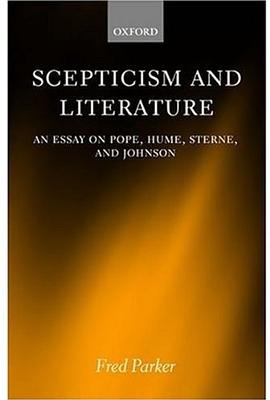
'The more we enquire, the less we can resolve,' wrote Johnson. Scepticism-a reasoned emphasis on the severe limitations of rationality-would seem to undermine the grounds of belief and action. But in some of the best eighteenth-century literature, a theoretically paralysing critique of the pretensions of reason, precept, and language went hand in hand with a vigorous intellectual, moral, and linguistic confidence. To realise philosophical scepticism as literature was effectively to transform it. Dr Parker traces the presence of this life-giving irony in works by Pope, Hume, Sterne, and Johnson, relates it more broadly to the social self-consciousness of eighteenth-century culture, and discusses its source in Locke and its inspiration in Montaigne. The argument serves as a reminder that radical scepticism is not the invention of the late twentieth century, and that its strategies and implications have never been more interestingly explored than in the eighteenth.
怀疑之光,映照文字之海 本书并非仅仅是对“怀疑论”这一哲学概念的机械罗列,也不是对文学作品中“怀疑”主题的浅层梳理。它试图深入探索的,是怀疑论思维方式与文学创作之间那既微妙又深刻的共生关系,以及这种关系如何塑造了我们理解文学、乃至理解世界的方式。 我们所探讨的“怀疑”,并非狭隘的愤世嫉俗或消极否定,而是一种更具建设性、更富洞察力的认识论立场。它鼓励我们不轻易接受既定真理,不盲从权威,而是以审慎的态度审视一切,质疑假设,探寻事物背后的逻辑与潜在的偏见。这种思维方式,在面对浩瀚的文学世界时,显得尤为珍贵。 文学,本质上是对人类经验的摹写与解读。它通过叙事、象征、隐喻等手法,构建出种种世界,描绘出种种人物,探讨着种种情感与冲突。然而,文学的世界并非全然透明,其背后往往隐藏着作者的主观意图、社会文化的影响、以及语言本身的局限性。怀疑论的视角,恰恰能帮助我们拨开这些迷雾,更清醒地认识到文本的多重含义、叙事的潜在操纵,以及人物动机的复杂性。 本书将从多个维度展开这场关于怀疑与文学的对话。 第一部分:怀疑论的哲学根基与文学想象 首先,我们将回溯怀疑论思想的源头,从古希腊的皮浪主义,到笛卡尔的“我思故我在”式的普遍怀疑,再到休谟对因果律的质疑,乃至康德对人类认识能力的界限的探讨。这些哲学家的思想,虽然形式各异,但都指向一个共同的主题:对知识的绝对性和确定性的挑战。 我们将深入分析这些哲学家的核心论点,例如: 皮浪主义的“悬置判断”(epoche):如何在这种对所有主张都保持中立、不予肯定也不予否定的态度中,找到一种安宁的生活方式,以及这种安宁是否能在文学创作中找到回响。 笛卡尔的“方法性怀疑”:如何通过系统地排除一切可疑之物,来寻求不可动摇的确定性,以及这种寻求确定性的过程本身,是否会激发出对虚幻世界的想象,或者反过来,当确定性无法被找到时,文学是否成为了安放失落的确定性的港湾。 休谟的“经验主义怀疑”:对习惯、信念以及超越经验的推断的批判,是如何促使我们重新审视文学作品中关于道德、宗教、甚至因果关系的论述,认识到它们可能并非普适的真理,而是特定文化与经验的产物。 康德的“先验唯心论”:对人类认识框架的限制性分析,如何让我们理解文学作品中所呈现的世界,并非客观现实的直接反映,而是经过了人类主体的主观构造。 在理解了这些哲学基础后,我们将探讨这些怀疑论思想如何渗透到文学创作的土壤中。例如,某些作家可能并非直接引用哲学家的理论,但他们笔下的人物,他们的叙事结构,他们的情节设置,都可能体现出对确定性的质疑,对真理的模糊性,以及对人类认知局限性的深刻体认。 第二部分:怀疑论的文学表现形式与叙事策略 本部分将聚焦于怀疑论在文学作品中的具体表现,考察作家们如何运用各种叙事手法来构建怀疑的氛围,塑造怀疑的角色,以及引导读者进入一种审慎的阅读状态。 我们将分析以下几种重要的表现形式: 模糊的叙事者与不可靠的叙事:一个无法信任的叙事者,可能是因为其知识有限,动机不良,或者精神状态不稳定。这种叙事策略迫使读者主动参与到意义的构建过程中,不断质疑叙事者提供的信息,并试图拼凑出更接近真相的版本。例如,我们可以探讨类似《包法利夫人》中福楼拜的“人道主义”,或是亨利·詹姆斯的“限知视角”所带来的多重解读可能性。 多视角叙事与叙事鸿沟:通过呈现不同人物的视角,作家可以揭示同一个事件在不同个体眼中所呈现出的巨大差异,从而暗示“真相”的相对性。叙事鸿沟,即叙事者知道但人物不知道的信息,或是人物知道但叙事者(有时甚至是读者)不知道的信息,都可能制造悬念,并促使读者思考信息的不对称性如何影响认知。 象征、隐喻与多义性:文学作品中的象征和隐喻,本身就具有开放性和多义性。怀疑论的视角,可以帮助我们更深入地理解这些意象的丰富内涵,认识到它们并非指向唯一确定的意义,而是可以引发读者进行多层次的联想与解读。 对语言的实验与解构:一些作家通过挑战传统的语法、句法,甚至创造新词,来表达对语言能够真实反映现实的怀疑。他们试图揭示语言的局限性,以及语言如何可能成为误解与欺骗的工具。例如,后现代主义文学对宏大叙事的解构,以及对语言不确定性的强调。 人物的自我怀疑与存在主义困境:许多文学作品中的人物,都面临着自我怀疑的困扰。他们质疑自己的身份,自己的动机,自己的行为的意义,甚至存在的价值。这种内在的怀疑,往往是作家对人类生存状态的一种深刻反思。我们将探讨这种怀疑如何与弗洛伊德的精神分析,或是萨特的存在主义哲学产生共鸣。 第三部分:怀疑论阅读与文学批评的互动 本部分将转向读者与批评家,探讨怀疑论的阅读方式如何影响我们对文学作品的理解和评价。 积极的读者参与与意义的协商:怀疑论的阅读,并非是被动地接受文本所提供的意义,而是积极地参与到意义的协商过程中。读者需要运用自己的知识、经验和批判性思维,与文本进行对话,发现其隐藏的意义,或者挑战其表面的陈述。 文学批评中的怀疑论转向:许多文学批评理论,都深受怀疑论思想的影响。例如,结构主义、后结构主义、解构主义等,都对文本的客观性和作者的权威性提出了质疑,强调了读者在意义生成中的作用。我们将探讨这些批评理论如何运用怀疑论的工具,来揭示文学作品的复杂性与多义性。 怀疑论批评家的角色:一位具有怀疑论精神的批评家,不会轻易给出终极的解释,而是倾向于揭示文本的多种可能性,指出其内部的张力与矛盾,并鼓励读者进行更深入的思考。他们就像是站在文字的岸边,用怀疑的目光审视着奔腾的文学之河,引导我们看到河水的深邃与复杂,而不是简单地给出“这是一条什么样的河”的答案。 怀疑与文学鉴赏的悖论:一方面,怀疑论能够提升我们对文学作品的理解深度,避免被表面的信息所迷惑;另一方面,过度的怀疑是否会剥夺文学的魅力,使其变得冰冷而难以亲近?我们将探讨这种悖论,并思考如何在保持批判性的同时,依然能够享受文学带来的情感共鸣与审美体验。 第四部分:怀疑论的伦理维度与文学的社会功能 最后,我们将探讨怀疑论在文学领域所展现出的伦理维度,以及文学在社会中扮演的角色。 对教条与意识形态的挑战:怀疑论的精神,天然地会对一切形式的教条、意识形态和权力结构产生抵触。文学作品,特别是那些具有批判精神的作品,往往会利用怀疑论的视角,来揭露社会的不公、政治的腐败、以及人性的阴暗面。 同情与理解的边界:当我们对一切都持怀疑态度时,我们是否还能对他人产生真正的同情与理解?文学作品中的人物,常常是在这种怀疑与理解的张力中挣扎。我们将探讨,怀疑论的视角如何帮助我们更清醒地认识到人性的复杂,理解个体的局限性,并在这种局限性中寻找共存的可能性。 文学作为反思与启蒙的工具:尽管怀疑论本身并不提供确定的答案,但它能够激发反思,促进批判性思维的发展。文学作品,通过展现不同的人生选择、社会困境,以及人性的多样性,能够引导读者进行自我反思,认识到自身认知的局限,并从而获得启蒙。 怀疑与文学的未来:在信息爆炸、真假难辨的当下,怀疑论的思维方式比以往任何时候都更加重要。文学作品,作为一种特殊的认知媒介,将继续在质疑与探索中不断发展,为我们提供一面映照现实、审视自我的镜子。 本书将致力于展现怀疑论并非文学的对立面,而是其重要的支撑力量。它鼓励我们以更加开放、更加审慎、更加自觉的态度去阅读文学,去理解文学,去创造文学。我们将通过深入分析大量的文学案例,从古典到现代,从中外文学传统中汲取养分,为读者呈现一场关于怀疑与文学之间深刻而迷人的探索之旅。这本书,旨在点燃读者心中的怀疑之光,让他们能够在文字的海洋中, naviguer avec plus de discernement et de profondeur。