
具体描述
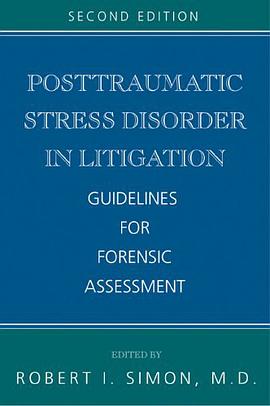
The terrorist attacks on the World Trade Center in September 2001 turned PTSD into a household word. But posttraumatic stress disorder has been documented throughout history: For example, as long ago as 1666, Samuel Pepys wrote in his diary that he still had night terrors 6 months after the great fire of London. PTSD, officially recognized as a diagnosis by DSM-III in 1980, is only the most recent term used to describe the suffering of trauma victims. Few could have foreseen its profound impact on litigation. Often dubbed the Ablack holeA of litigationAwhere allegations are relatively easy to assert but difficult to defend because the symptoms are subjectiveAPTSD has deeply influenced civil and criminal law in cases ranging from malpractice and personal injury to sexual harassment and child abuse. It is thus vital for all legal parties involved that forensic examiners perform credible psychiatric and psychological examinations of PTSD claimants. Intended to add direction and discipline to the forensic assessment of PTSD litigants, this expanded second edition begins with an updated chapter on current and future trends for the role of PTSD in litigation. -Chapter 2 notes the increasing evidence that exposure to multiple events not only is more common than previously thought but also increases the risk for development of PTSD following the target event. -Chapter 3 details diagnostic criteria and guidelines for the forensic psychiatric examination of the PTSD claimant. -Most literature discusses PTSD in adults. Chapter 4 offers a rare perspective on PTSD in children and adolescents, including parental response to the trauma, developmental effects, and delayed onset symptoms. -Forensic assessment of PTSD claimants is presented in Chapter 5, followed by new chapters on disability determinants (how PTSD impairs occupational functioning) and PTSD in the workplace, where the causal relationship between employment stress and a resulting mental or emotional disorder must be determined. -Chapter 8 covers guidelines for malingering in PTSD, where the claimant may be motivated by financial gain or by a reduced charge resulting from an insanity defense. -A new chapter on forensic laboratory testing in PTSD presents the tantalizing potential of psychophysiologic measurement to redeem the PTSD diagnosis from its daunting subjectivity. This essential collection by 13 U.S. experts sheds important new light on forensic guidelines for effective assessment and diagnosis and determination of disability, serving both plaintiffs and defendants in litigation involving PTSD claims. Mental health and legal professionals, third-party payers, and interested laypersons will welcome this balanced approach to a complex and difficult field.
作者简介
目录信息
读后感
用户评价
作为一个长期在法庭上与复杂案例打交道的律师,我一直在寻找能够深入剖析创伤后应激障碍(PTSD)在法律诉讼中扮演的角色,并能提供实用见解的书籍。《Posttraumatic Stress Disorder in Litigation》这本书,光是名字就让我充满了期待。我希望它能够不仅仅是罗列PTSD的诊断标准和症状,而是能真正地深入探讨,在民事和刑事诉讼中,PTSD的呈现形式、证据收集的挑战,以及如何有效地在法庭上证明或反驳PTSD的存在及其对案件的影响。我尤其关注书中是否能提供案例分析,展示PTSD如何影响证人证词的可信度、受害者的赔偿要求,以及被告的辩护策略。一个优秀的法律书籍,应该能够 bridging the gap between clinical understanding and legal application,为法律从业者提供坚实的理论基础和操作指南。我很想知道书中是否能够提供关于专家证人出庭的建议,如何准备PTSD相关的证据,以及如何处理对方律师对PTSD诊断的质疑。这本书如果能对不同类型的诉讼(例如,工伤、交通事故、性侵、军事相关诉讼等)中的PTSD案例进行分类和分析,那就更好了。期待它能帮助我更精准地识别和应对PTSD在诉讼中的复杂性。
评分作为一个对社会问题和法律公正保持高度关注的公民,我对《Posttraumatic Stress Disorder in Litigation》这本书充满了探索的渴望。我希望这本书能够揭示PTSD在司法体系中可能存在的盲点或不公之处,并引发更广泛的社会思考。我尤其关注书中是否能够探讨PTSD在不同社会经济群体中的普遍性及其在法律诉讼中的差异性。例如,经济弱势群体在获得PTSD诊断和法律援助方面可能面临的障碍,以及这些障碍如何影响他们获得公正对待。书中是否会涉及PTSD相关的法律改革倡议,以及如何更好地保护经历创伤的个体在法律程序中的权益?我很想知道这本书是否能提供一些关于PTSD在刑事司法中的复杂性,例如,PTSD是否可以作为减轻刑事责任的理由,以及如何平衡受害者权益和被告权利。如果书中能够探讨PTSD的污名化问题,以及法律体系如何避免加剧这种污名化,那将是一次深刻的社会反思。
评分作为一名心理学研究者,我对创伤及其长期影响一直抱有浓厚的兴趣。尤其是PTSD,它是一个复杂且多维度的障碍,对个体的生活造成毁灭性的影响。当了解到《Posttraumatic Stress Disorder in Litigation》这本书时,我非常好奇它如何将心理学的研究成果应用于法律实践。《Posttraumatic Stress Disorder in Litigation》这本书,我期待它能深入探讨PTSD的神经生物学基础、认知行为模式,以及其在个体心理和社会功能方面的表现。更重要的是,我希望它能阐明这些心理学原理如何在法庭上被解读和应用。例如,PTSD患者在回忆创伤事件时可能出现的记忆碎片化、闪回、回避行为等,这些在法律陈述中如何被理解和评估?书中是否会讨论PTSD对个体判断能力、情绪调节能力的影响,以及这些因素如何与法律责任、赔偿能力等议题相关联?我很想知道书中是否能提供关于评估PTSD严重程度和持续性的科学方法,以及如何将这些评估结果有效地传达给法官、陪审团或保险公司。如果这本书能提供不同文化背景下PTSD的表现差异,以及如何在跨文化诉讼中处理相关问题,那将极大地拓宽其应用范围。
评分作为一名普通读者,我偶尔会接触到一些关于PTSD的报道或影视作品,对这个概念有所耳闻,但对其在法律层面的具体应用却知之甚少。《Posttraumatic Stress Disorder in Litigation》这本书,我怀揣着一种纯粹的好奇心。我希望能通过这本书,大致了解PTSD在法律案件中扮演的角色,以及它如何影响一个人的生活和命运。我希望书中能够用相对易懂的语言,解释PTSD究竟是什么,以及为什么它会在法律诉讼中成为一个重要的考量因素。例如,当一个人经历过重大的创伤事件,而这种经历影响了他的行为、思考或情绪,从而引发了法律上的纠纷,这本书是否能提供一些清晰的例子?我希望能从中了解到,PTSD如何被引入法律程序,它可能会对案件的结果产生怎样的影响,以及法律体系是如何尝试去理解和处理这种复杂的心理状态的。对于我这样的非专业读者,我更希望能从中获得一些关于PTSD和法律之间联系的普及性知识,而不是深奥的专业术语。
评分作为一个在受害者权益保护领域工作的社会工作者,我经常接触到遭受各种创伤经历的个体,其中许多都表现出PTSD的症状。 《Posttraumatic Stress Disorder in Litigation》这本书,我带着一种非常实际的需求去了解它。我希望这本书能够提供关于PTSD如何在法律系统中影响受害者权利的深刻见解。具体来说,我希望它能详述PTSD如何影响受害者寻求正义的道路,例如,在报案、接受讯问、参与庭审过程中,PTSD症状可能带来的困难和挑战。书中是否会讨论如何为PTSD患者提供心理支持和法律援助,以帮助他们更好地应对司法程序?我期待它能提供关于如何收集能够证明PTSD存在及其对受害者生活影响的证据的指导,包括但不限于医疗记录、心理评估报告、亲友证词等。更重要的是,我希望这本书能阐明PTSD在法律赔偿中的重要性,以及如何量化PTSD给受害者带来的损失,包括身体、精神、社会功能以及生活质量的下降。如果书中能够提供关于如何防止受害者在司法过程中再次遭受创伤(secondary victimization)的策略,那将是极其宝贵的。
评分 评分 评分 评分 评分