
具体描述
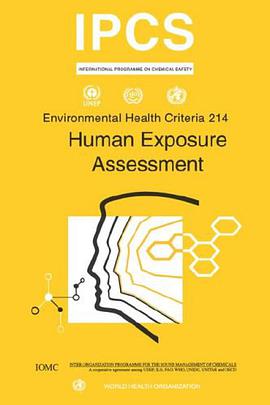
This book offers an up-to-date guide to the concepts, procedures, statistical methods and models used to assess human exposure to environmental chemicals. Noting that exposure assessment is a comparatively new discipline of the environmental sciences, the book aims to encourage its use as a powerful tool for measuring actual levels of exposure and determining whether interventions are needed to protect public health. With this goal in mind, the book gives researchers expert advice on the design and conduct of studies, the interpretation of findings, and the best methods for ensuring the reliability and reproducibility of results. Throughout, emphasis is placed on the ways in which well-designed exposure assessments can enhance the practical value of findings from traditional epidemiological and toxicological investigations. The book has twelve chapters. The first six cover conceptual and methodological issues. Chapter one introduces basic concepts used in exposure assessment, and describes direct and indirect methods of measuring or estimating actual exposure and determining whether intervention is required. The uses of human exposure data are covered in chapter two, which explains how studies of human exposure can reduce the uncertainty of estimates used in epidemiology, risk assessment and risk management. Chapter three considers several generic study designs and approaches, and compares their advantages and limitations. Chapter four, on statistical methods, discusses selective applications of descriptive and inferential statistics, using data on lead exposure as an example. Subsequent chapters review methods for the collection and application of time-use data and introduce the principles, methods and data requirements of exposure modeling. Against this background, chapters in the second half of the book offer practical advice on the design and conduct of studies aimed at assessing exposure to chemicals in different environmental media. Separate chapters describe sampling methods used to analyze chemical concentrations in air, water, and food, and in soil and settled dust. Environmental allergens that can contribute to disease or alter susceptibility are considered in chapter nine, which concentrates on methods for measuring particles from house dust mites and their feces, allergens from pets and cockroaches, and allergens or toxins from fungi, bacteria and pollen. Subsequent chapters describe the use of biological markers in exposure assessment, and discuss issues surrounding the quality assurance of exposure studies and results. The final chapter presents brief summaries and examples of exposure studies in order to illustrate different study designs for different objectives, target pollutants, and populations. Studies that show how exposure assessment supports epidemiology and risk management, particularly in developing countries, are also included.
作者简介
目录信息
读后感
用户评价
《人类暴露评估》——这个书名本身就蕴含着一种科学的严谨性和对现实问题的关切。我迫不及待地想知道,这本书会以怎样的视角来解读“暴露”这个概念。我猜想,它不会仅仅停留在理论层面,而是会深入到日常生活的细枝末节。书中是否会提供一些关于如何识别和量化我们生活中潜在暴露风险的实用建议?比如,如何通过选择安全的食品和日用品来降低化学物质的摄入?我非常期待书中能够包含一些具体的案例分析,通过真实世界的例子,来展示暴露评估是如何帮助我们理解和解决复杂的环境与健康问题的。是否会涉及到一些跨学科的合作,例如,环境科学家、毒理学家、流行病学家和社会学家是如何共同协作来完成一项全面的暴露评估?我希望这本书能够启发读者思考,在日益复杂和充满挑战的现代社会中,如何更好地保护我们自己和家人的健康。
评分《人类暴露评估》这个书名,瞬间勾起了我对科学探索的浓厚兴趣。我猜想,这本书会以一种非常严谨但又不失可读性的方式,带领我们走进一个充满数据和分析的世界。我特别想知道,书中会否介绍那些在暴露评估领域具有开创性意义的理论和方法?比如,那些用来追踪化学物质在人体内迁移和累积的动力学模型,或者是用来评估大范围人群暴露情况的流行病学研究设计。我非常期待书中能够提供一些直观的图表和示意图,帮助我更好地理解那些复杂的计算和统计过程。这本书的吸引力还在于它所涉及的广泛领域,从环境监测到食品安全,再到职业健康,几乎触及我们生活的方方面面。我想象着作者会用哪些生动有趣的比喻来解释抽象的科学概念,让非专业读者也能领略到暴露评估的魅力。如果书中能够探讨一些前沿的研究方向,比如新兴污染物的影响,或者是利用大数据和人工智能来优化暴露评估模型,那就更令人兴奋了。
评分这本书的书名着实引人入胜——《人类暴露评估》。单凭这几个字,我脑海中便涌现出无数关于潜在风险、环境科学和公共健康的画面。我尤其好奇作者是如何将一个如此宏大且复杂的概念,拆解成读者能够理解并消化吸收的知识体系的。我想象着书中可能涉及到的各种科学模型和统计方法,它们是如何被用来量化我们日常生活中接触到的各种物质的,从我们呼吸的空气,到我们食用的食物,再到我们使用的日常用品。这本书是否会深入探讨不同人群在暴露水平上的差异?比如,儿童、孕妇、老年人,或是生活在特定工业区附近的人们,他们的风险又会有何不同?我期待书中能够提供具体的案例研究,通过生动的故事和翔实的数据,让我们直观地感受到暴露评估的实际意义和重要性。是否会包含一些关于政策制定和风险管理的内容,指导我们如何根据评估结果来采取行动,从而保护人类健康?我深信,一本优秀的关于“人类暴露评估”的书,不仅能为我们揭示潜在的健康威胁,更能赋予我们应对这些威胁的知识和力量。
评分《人类暴露评估》这个书名,仿佛是一扇通往未知世界的窗户,让我充满了探索的欲望。我猜想,这本书会以一种循序渐进的方式,为读者构建一个完整的知识框架。我想象着,它会从最基础的科学原理讲起,比如毒理学和环境科学的基本概念,然后逐步深入到各种暴露评估的具体方法和模型。我尤其好奇,书中会如何处理不同来源的暴露,例如,工业排放、交通污染、家居环境中的化学物质等等,它们是如何被整合到统一的评估体系中的?这本书是否会提供一些实际操作的指南,让那些对环境监测和风险评估感兴趣的读者,能够了解如何进行初步的评估?我期待书中能够包含一些关于政策法规的内容,说明在不同国家和地区,暴露评估是如何被用于制定和完善公共健康政策的。如果书中还能探讨一些未来发展趋势,例如纳米材料的暴露评估,或者是全球气候变化对人类暴露模式的影响,那就更具前瞻性了。
评分《人类暴露评估》——光是这个书名,就足以让人感到一种责任感和紧迫感。我猜测,这本书的出发点,一定是对人类健康和福祉的深切关怀。我非常好奇,作者会如何阐述“暴露”这个概念的内在含义?它是否仅仅是指我们接触到某种物质,还是包含了接触的频率、持续时间、以及接触途径等更精细的维度?我期待书中能够详细介绍那些用于衡量和预测人类暴露水平的科学工具和技术。例如,是否会涉及空气质量监测站的原理,或者是食物中农药残留的检测方法?更重要的是,我希望能看到书中提供具体的指导,告诉我们如何根据暴露评估的结果来评估风险,以及在个人层面和社区层面,我们可以采取哪些有效的措施来降低不必要的暴露。这本书是否会深入探讨一些历史上著名的暴露事件,并从中总结出宝贵的经验教训?我相信,一本优秀的关于“人类暴露评估”的书,不仅会让我们认识到潜在的危险,更能启发我们积极主动地去追求健康的生活方式。
评分 评分 评分 评分 评分