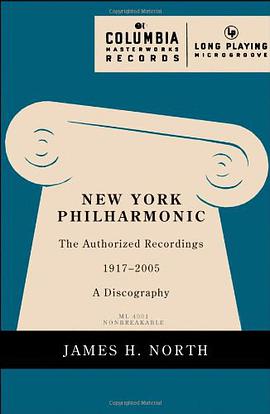
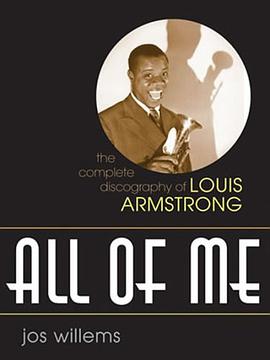
具体描述
American Popular Music: A Journey Through Sound and Culture American popular music is more than just a collection of songs; it's a vibrant tapestry woven from the diverse threads of American history, culture, and innovation. From the soulful melodies that echoed through speakeasies to the electrifying beats that fueled stadium concerts, popular music has consistently reflected and shaped the American experience. This exploration delves into the dynamic evolution of American popular music, tracing its roots and highlighting the genres, artists, and social forces that have propelled it onto the global stage. The Genesis of American Sound (Late 19th Century - Early 20th Century) The seeds of American popular music were sown in the fertile ground of American folk traditions. African American musical forms, such as spirituals, blues, and work songs, provided a foundational rhythmic and melodic language. European influences, including classical, folk, and military band music, also contributed to the emerging soundscape. The late 19th century saw the rise of several key genres that would lay the groundwork for popular music as we know it. Ragtime: Characterized by its syncopated rhythms and piano-driven melodies, ragtime emerged in the 1890s. Scott Joplin, often hailed as the "King of Ragtime," brought this infectious style to prominence with compositions like "The Entertainer" and "Maple Leaf Rag." Ragtime music was a vibrant, upbeat sound that captured the spirit of a rapidly changing America, finding a home in parlors, dance halls, and even early phonograph recordings. Its intricate piano figures and lively tempo made it a sensation, influencing later jazz musicians. Vaudeville and Tin Pan Alley: The burgeoning entertainment industry of the era, particularly vaudeville, provided a crucial platform for songwriters and performers. Tin Pan Alley, a nickname for the cluster of music publishers and songwriters in New York City, became the engine of popular song creation. Composers like George M. Cohan ("Yankee Doodle Boy") and Irving Berlin ("Alexander's Ragtime Band," "God Bless America") churned out catchy tunes that dominated sheet music sales and became the soundtrack to everyday American life. These songs often dealt with themes of love, patriotism, and everyday aspirations, resonating with a broad audience. The Blues: Born from the experiences of African Americans in the rural South, the blues is a deeply expressive genre characterized by its melancholic melodies, call-and-response patterns, and the use of blue notes. Early blues pioneers like Bessie Smith, known as the "Empress of the Blues," brought this raw and emotional music to wider audiences through recordings. The blues captured the hardships and resilience of its creators, offering solace and catharsis. Its influence on subsequent genres like jazz and rock and roll is immeasurable, providing essential harmonic and melodic structures. The Jazz Age and the Swing Era (1920s - 1940s) The 1920s, often dubbed the "Jazz Age," witnessed the explosion of jazz music, a genre that blended African American musical traditions with European harmonies and instrumentation. New Orleans, Chicago, and New York City became hotbeds of jazz innovation. Early Jazz and the Roaring Twenties: Louis Armstrong, a virtuoso trumpeter and vocalist, revolutionized jazz with his improvisational brilliance and charismatic stage presence. His recordings with his Hot Five and Hot Seven groups established new standards for solo improvisation and instrumental technique. Jazz became the soundtrack to the Roaring Twenties, symbolizing a spirit of rebellion, freedom, and experimentation. The Swing Era: From the mid-1930s to the mid-1940s, swing music dominated the American popular music scene. Big bands, led by charismatic bandleaders like Duke Ellington, Benny Goodman, and Count Basie, filled ballrooms with their infectious, danceable rhythms and intricate arrangements. Swing music provided an escapism during the Great Depression and World War II, offering a sense of joy and unity. Duke Ellington, in particular, elevated jazz to an art form with his sophisticated compositions and innovative orchestral arrangements. Benny Goodman, the "King of Swing," helped bring jazz to mainstream white audiences. The Rise of Country and Western, and the Birth of Rock and Roll (1940s - 1950s) As swing began to wane, other genres started to gain momentum, laying the groundwork for the musical revolution of the 1950s. Country and Western Music: Emerging from the folk traditions of the American South and Southwest, country music developed its distinct sound with storytelling lyrics and instrumentation like steel guitar and fiddle. Artists like Hank Williams ("Your Cheatin' Heart," "Hey, Good Lookin'") became icons of the genre, their heartfelt songs resonating with working-class audiences. Western swing, a fusion of country and jazz elements, also gained popularity. Rhythm and Blues (R&B): Building on the foundations of blues and gospel music, R&B emerged as a vibrant, energetic genre. Artists like Muddy Waters and Chuck Berry infused their music with electric guitars and driving rhythms, creating a sound that would profoundly influence rock and roll. Chuck Berry's electrifying guitar riffs and captivating stage presence were particularly influential. The Birth of Rock and Roll: In the mid-1950s, a seismic shift occurred with the explosion of rock and roll. This genre, a potent fusion of R&B, country, and gospel, captured the restless energy and rebellious spirit of a new generation. Elvis Presley, the "King of Rock and Roll," became a global phenomenon, his charismatic performances and unique vocal style captivating millions. Other pioneers like Little Richard, Buddy Holly, and Jerry Lee Lewis further defined the genre with their energetic music and distinctive personalities. Rock and roll was more than just music; it was a cultural movement that challenged societal norms and redefined youth culture. The British Invasion, Soul Music, and the Folk Revival (1960s) The 1960s were a decade of immense social and cultural change, and popular music mirrored this upheaval. The British Invasion: In 1964, The Beatles arrived in America, sparking the "British Invasion" and forever changing the landscape of popular music. Their innovative songwriting, diverse musical influences, and undeniable charm propelled them to superstardom. Following in their footsteps were other influential British bands like The Rolling Stones, The Who, and The Kinks, each contributing their unique sounds and perspectives. Soul Music: Emerging from the African American community, soul music blended gospel fervor with the raw emotion of blues and R&B. Motown Records, founded by Berry Gordy Jr., became a powerhouse of soul music, producing a string of hits from artists like The Supremes, Stevie Wonder, Marvin Gaye, and The Temptations. Stax Records in Memphis also produced iconic soul music with artists like Otis Redding and Sam & Dave, offering a grittier, more raw sound. Soul music's uplifting messages and powerful vocals resonated deeply with audiences, becoming a soundtrack to the Civil Rights Movement. The Folk Revival: The 1960s also saw a resurgence of folk music, championed by artists like Bob Dylan, Joan Baez, and Peter, Paul and Mary. These artists used their music to address social and political issues, providing a voice for protest and change. Bob Dylan, in particular, became a pivotal figure, his poetic lyrics and distinctive vocal delivery influencing generations of musicians. Diversification and Innovation (1970s - 1980s) The 1970s and 1980s witnessed an unprecedented diversification of popular music, with new genres emerging and existing ones evolving. The Rise of Funk, Disco, and Punk: Funk music, pioneered by James Brown and Parliament-Funkadelic, emphasized a strong rhythmic groove and basslines. Disco music, characterized by its four-on-the-floor beat and orchestral arrangements, dominated dance floors and became a cultural phenomenon. In contrast, punk rock emerged as a raw, energetic, and anti-establishment reaction, with bands like The Ramones and The Sex Pistols challenging musical conventions. Hard Rock and Heavy Metal: Building on the foundations of rock and roll, hard rock and heavy metal genres emerged with amplified guitars, powerful drumming, and often darker lyrical themes. Bands like Led Zeppelin, Black Sabbath, and later, Metallica, became hugely influential, pushing the boundaries of volume and intensity. New Wave and Synth-Pop: The late 1970s and 1980s saw the rise of New Wave and synth-pop, characterized by their use of synthesizers, electronic beats, and often experimental or quirky aesthetics. Artists like Depeche Mode, Duran Duran, and Eurythmics found massive success, bringing electronic sounds to the forefront of popular music. The Hip-Hop Revolution: The 1980s marked the explosion of hip-hop music, a genre born from the urban street culture of the Bronx. Combining rhythmic spoken-word vocals (rapping) with DJing, sampling, and breakdancing, hip-hop artists like Run-DMC, Public Enemy, and N.W.A. created a powerful new form of musical expression that addressed social issues and celebrated Black culture. The Digital Age and Global Influence (1990s - Present) The advent of digital technology and the internet has profoundly impacted how music is created, distributed, and consumed. Alternative Rock and Grunge: The 1990s saw the mainstream success of alternative rock and grunge, a subgenre of alternative rock characterized by its distorted guitars, introspective lyrics, and DIY ethos. Bands like Nirvana, Pearl Jam, and Soundgarden achieved massive commercial success, reflecting a shift in popular taste. Pop Music's Evolution: Pop music continued to evolve, with artists like Mariah Carey, Britney Spears, and Justin Timberlake dominating the charts. The genre became increasingly diverse, incorporating influences from R&B, hip-hop, and electronic dance music. The Internet and Music Streaming: The rise of the internet and music streaming services has democratized music distribution, allowing independent artists to reach global audiences. This has led to an unprecedented level of musical diversity and accessibility. Genres like electronic dance music (EDM), indie rock, and various global music fusions continue to gain popularity. American popular music, in its multifaceted and ever-changing nature, stands as a testament to the nation's cultural dynamism. It has been a vehicle for social commentary, a source of joy and rebellion, and a unifying force across generations. This journey through its history reveals a continuous dialogue between artists, audiences, and the broader societal context, ensuring that the story of American popular music is one that will continue to be written, reimagined, and celebrated.