
具体描述
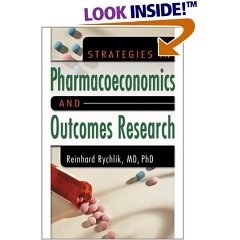
Get a healthy perspective on pharmaceutical economics! Strategies in Pharmacoeconomics and Outcomes Research presents a comprehensive introduction to the economic aspects of the health sector, focusing on strategies for the development and marketing of healthcare products. A much-needed addition to this relatively new field, the book narrows health economics into the sub-discipline of pharmacoeconomics, bridging the gap between different interest groups in the pharmaceutical industry-research and development at one end, sales and marketing at the other. Using basic terminology and practical examples with descriptive tables and figures, it analyzes the implications of projecting costs of pharmaceutical products as a method of determining the viability of their development. Written from an international perspective, Strategies in Pharmacoeconomics and Outcomes Research examines the costs of drug therapy on health care systems and society through global marketing and modeling strategies, including clinical research and trial examples. Through the interlinked concepts of clinical research, outcomes research and pharmacoeconomics, the book evaluates the effectiveness of health technologies under "real world" circumstances or "normal" medical practice to achieve the optimum benefit from the resources available. The research process follows the economics of a drug?s efficacy (how it works under ideal circumstances) to its effectiveness (how it does in "real" life) to its efficiency (how cost-effective it is) in determining the baseline effects of a disease on economic and humanistic parameters. Strategies in Pharmacoeconomics and Outcomes Research also examines: resources and cost benefits (direct, indirect, intangible, and quality of life) health economical models (decision-tree analysis, Markov-model) reimbursement differences between countries due to the rate of currency exchange drug monitoring and regulation ...and includes an extensive glossary!At a time when health economics has become increasingly important, Strategies in Pharmacoeconomics and Outcomes Research is an essential tool for the pharmaceutical, diagnostic, and medical device industries to ensure the most efficient use of limited resources. The book?s practical tone and common-sense methods provide a realistic approach that will benefit pharmaceutical and medical professionals, product managers, business development managers, drug regulatory affairs officials, and clinical study coordinators in making strategic and operational decisions about pharmaceutical development, production, or consumption.
作者简介
目录信息
读后感
用户评价
这本书最让我惊喜的一点,是它对“实施科学”与传统药代动力学研究之间的桥梁搭建。通常情况下,这两个领域往往被割裂开来讨论,但在这里,作者非常巧妙地将研究成果如何转化为临床实践中的可操作性策略这一环节,提升到了核心地位。书中关于证据等级和决策树构建的章节,不仅提供了方法论上的指导,更重要的是,它探讨了如何说服利益相关者接受基于这些复杂模型的建议。我发现,很多时候研究做得再完美,如果不能有效地沟通其价值,最终也是徒劳。这本书在这方面给予了非常实际的视角,比如如何利用情景分析来迎合不同群体(支付方、临床医生、患者代表)的关注点。它让我意识到,优秀的药物经济学研究不仅是数字游戏,更是高超的沟通艺术。这本书的深度远远超出了纯粹的学术探索,更像是一本关于如何在复杂系统中推动循证决策的“实战手册”。
评分如果说有什么可以称得上是“教科书级别”的深度,那这本书绝对算得上是其中之一,但它又比传统的教科书更具前瞻性。它的语言风格非常专业、严谨,但绝不晦涩难懂,关键在于它始终围绕一个核心问题展开:如何在资源有限的环境下,最大化患者的健康价值?我尤其欣赏作者在处理“公平性”(Equity)议题时的审慎态度。在量化成本和效益时,我们很容易陷入纯粹的效率优化模型,而忽略了社会层面的公平考量。这本书用具体的案例展示了如何将公平性指标纳入多目标优化模型中,即使这会使得数学模型更加复杂。这种对伦理维度和实际应用冲突的坦诚讨论,让这本书的厚度不仅仅停留在知识层面,更上升到了专业责任的高度。它不提供简单的答案,而是提供一个思考的工具箱,教你如何面对那些没有标准答案的难题。
评分这本书绝对是为那些真正想深入理解药物经济学和结局研究领域的人准备的。我刚翻了几页,就被那种严谨的学术态度给吸引住了。它不像市面上很多同类书籍那样,只是停留在概念介绍的层面,而是实实在在地探讨了“如何做”以及背后的复杂逻辑。比如,在处理成本效益分析(CEA)的建模部分,作者没有避开那些棘手的假设和数据限制,而是坦诚地展示了决策者在不同情境下可能面临的权衡。这对于我这种需要将理论应用于实际项目评估的专业人士来说,简直是如获至宝。它强迫你去思考,每一次系数的选择、每一次敏感性分析的设置,背后都蕴含着重大的经济和临床意义。读这本书的过程,与其说是阅读,不如说是一场持续的、高强度的思维训练,它构建了一个完整的分析框架,让你明白,所谓的“最佳策略”从来都不是单一解,而是基于一系列审慎评估和透明假设的结果。我特别欣赏它对不确定性处理的深度,远超出了标准教科书的范畴,真正触及了研究设计的核心挑战。
评分老实说,这本书的阅读体验相当“硬核”,完全不是那种可以轻松消遣的读物。它更像是一本高阶工具书,如果你没有一定的生物统计学或卫生经济学背景,可能会感到吃力。但是,对于那些渴望超越基础知识,直击前沿挑战的读者来说,它的价值是无可替代的。我注意到作者在比较不同结局测量工具(比如QALYs与其他基于价值的指标)的局限性和适用性时,论述得极其精辟。它没有偏袒任何一种方法论,而是采用了批判性的视角,深入剖析了每种方法在不同文化和医疗体系中可能产生的偏差。这种平衡和深刻的洞察力,让这本书从众多流于表面的“指南”中脱颖而出。它引导我重新审视了以往习以为常的评估标准,开始从更广阔、更具伦理责任感的角度去构建我的研究方案。这本书更像是同行之间的一场深入对话,充满了对行业现状的反思和对未来方向的探索,非常值得细细品味。
评分读完这本书的大部分章节后,我最大的感受是,它成功地解构了一个看似高不可攀的领域,并将其拆解成了可操作的、逻辑严密的步骤。它不像那些侧重于理论推导的著作,而是更偏向于应用层面的精细打磨。例如,关于真实世界证据(RWE)在结局研究中的整合策略部分,作者给出了非常细致的路线图,明确指出了如何处理RWE的偏倚风险,以及如何将其与随机对照试验(RCT)的结果进行恰当的“嫁接”。对于我们团队正在进行的药物价值评估项目来说,这本书提供的框架简直是“及时雨”。它不仅巩固了我们已有的知识,更重要的是,它指出了当前研究设计中可能存在的盲点,特别是关于长期追踪数据和患者报告结局(PROs)的质量控制方面。这本书与其说是一本读物,不如说是一个详尽的、经过实践检验的“方法论蓝图”。
评分 评分 评分 评分 评分