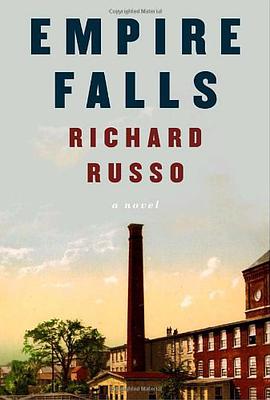
具体描述
Since its publication in 1813, Pride and Prejudice’s blend of humor, romance, and social satire have delighted readers of all ages. In telling the story of Mr. and Mrs. Bennett and their five daughters, Jane Austen creates a miniature of her world, where social grace and the nuances of behavior predominate in the making of a great love story.
At the turn of eighteenth-century England, spirited Elizabeth Bennet copes with the suit of the snobbish Mr. Darcy while trying to sort out the romantic entanglements of two of her sisters, sweet and beautiful Jane and scatterbrained Lydia.
作者简介
Though the domain of Jane Austen’s novels was as circumscribed as her life, her caustic wit and keen observation made her the equal of the greatest novelists in any language. Born the seventh child of the rector of Steventon, Hampshire, on December 16, 1775, she was educated mainly at home. At an early age she began writing sketches and satires of popular novels for her family’s entertainment. As a clergyman’s daughter from a well-connected family, she had an ample opportunity to study the habits of the middle class, the gentry, and the aristocracy. At twenty-one, she began a novel called “The First Impressions” an early version of Pride and Prejudice. In 1801, on her father’s retirement, the family moved to the fashionable resort of Bath. Two years later she sold the first version of Northanger Abby to a London publisher, but the first of her novels to appear was Sense and Sensibility, published at her own expense in 1811. It was followed by Pride and Prejudice (1813), Mansfield Park (1814), and Emma (1815).
After her father died in 1805, the family first moved to Southampton then to Chawton Cottage in Hampshire. Despite this relative retirement, Jane Austen was still in touch with a wider world, mainly through her brothers; one had become a very rich country gentleman, another a London banker, and two were naval officers. Though her many novels were published anonymously, she had many early and devoted readers, among them the Prince Regent and Sir Walter Scott. In 1816, in declining health, Austen wrote Persuasion and revised Northanger Abby, Her last work, Sandition, was left unfinished at her death on July 18, 1817. She was buried in Winchester Cathedral. Austen’s identity as an author was announced to the world posthumously by her brother Henry, who supervised the publication of Northanger Abby and Persuasion in 1818.
Biography
In 1801, George Austen retired from the clergy, and Jane, Cassandra, and their parents took up residence in Bath, a fashionable town Jane liked far less than her native village. Jane seems to have written little during this period. When Mr. Austen died in 1805, the three women, Mrs. Austen and her daughters, moved first to Southampton and then, partly subsidized by Jane's brothers, occupied a house in Chawton, a village not unlike Jane's first home. There she began to work on writing and pursued publishing once more, leading to the anonymous publication of Sense and Sensibility in 1811 and Pride and Prejudice in 1813, to modestly good reviews.
Known for her cheerful, modest, and witty character, Jane Austen had a busy family and social life, but as far as we know very little direct romantic experience. There were early flirtations, a quickly retracted agreement to marry the wealthy brother of a friend, and a rumored short-lived attachment -- while she was traveling -- that has not been verified. Her last years were quiet and devoted to family, friends, and writing her final novels. In 1817 she had to interrupt work on her last and unfinished novel, Sanditon, because she fell ill. She died on July 18, 1817, in Winchester, where she had been taken for medical treatment. After her death, her novels Northanger Abbey and Persuasion were published, together with a biographical notice, due to the efforts of her brother Henry. Austen is buried in Winchester Cathedral.
目录信息
Acknowledgements xiii
Chronology xv
Introduction xxii
Note on the text lxxix
Pride and Prejudice 1
Corrections and emendations to 1813 text 432
Phomas Egerton and the publication history 437
Legal and military background 441
Pemberley and its models 452
Note on the second and third editions of Pride and Prejudice 456
Abbreviations 459
Explanatory notes 461
· · · · · · (收起)
读后感
用户评价
掩卷之后,心中涌起的是一种久违的宁静与释然。这部作品,如同一坛陈年的佳酿,初品时或许有些许的苦涩,但细细品味,便能感受到其醇厚悠长的回甘。故事围绕着几大家族的联姻与情感纠葛展开,表面上看是家长里短的琐事,实则折射出那个时代社会阶层的固化与婚姻观念的微妙变化。作者以一种近乎白描的手法,勾勒出形形色色的人物群像,他们或是因为财富的差异而显得拘谨,或是因为地位的悬殊而显得疏离,每个人都带着各自的“标签”,在时代的洪流中艰难前行。然而,在这看似疏离的世界里,作者又巧妙地植入了一条关于真爱与理解的线索,它如同暗流涌动,在不经意间冲破了重重阻碍。主角人物的转变,并非一蹴而就,而是经历了一系列的情感纠葛与观念的碰撞,这种循序渐进的成长,反而显得尤为真实可贵。那些充满智慧的吐槽,以及在日常琐事中流露出的辛辣讽刺,都为这部作品增添了独特的魅力,让人在轻松的阅读中,体味到生活本来的样子。
评分这部作品,仿佛是一面精美的镜子,映照出那个特定时代的社会风貌与人情百态,却又超越了时空的限制,触及了普世的人性情感。作者以其非凡的洞察力,细致入微地刻画了不同阶层人物的生活轨迹,从贵族的繁华到中产阶级的拮据,从虚荣的攀附到真诚的追求,每一个角色都鲜活立体,仿佛就生活在我们身边。故事的推进,并非依靠跌宕起伏的情节,而是通过人物之间微妙的情感互动和观念的碰撞来展开。主人公的内心世界,在作者的笔下得到了极其细腻的展现,她的喜怒哀乐,她的犹豫不决,她的顿悟与成长,都深深地牵动着读者的心弦。那些充满哲思的对话,那些辛辣的讽刺,以及那些不经意间流露出的温情,都构成了这部作品独特的艺术魅力。在阅读的过程中,我仿佛置身于那个时代,与书中的人物一同经历着爱恨情仇,一同品味着生活的甘苦。
评分不得不说,这本书就像一块陈年的美酒,初入口时或许会觉得有些许的辛辣,但细细品味,便能感受到其醇厚悠长的回甘。故事的核心,围绕着几个家庭的联姻展开,表面上看是茶余饭后的谈资,实则折射出那个时代社会阶层固化与婚姻观念的微妙碰撞。作者以一种近乎冷峻的笔触,勾勒出形形色色的人物群像,他们或是因为财富的差异而显得拘谨,或是因为地位的悬殊而显得疏离,每个人都带着各自的“标签”,在时代的洪流中艰难前行。然而,在这看似疏离的世界里,作者又巧妙地植入了一条关于真爱与理解的线索,它如同暗流涌动,在不经意间冲破了重重阻碍。主角人物的转变,并非一蹴而就,而是经历了一系列的情感纠葛与观念的碰撞,这种循序渐进的成长,反而显得尤为真实可贵。那些充满睿智的吐槽,以及在日常琐事中流露出的辛辣讽刺,都为这部作品增添了独特的魅力,让人在轻松的阅读中,体味到生活本来的样子。
评分这是一部令人沉醉的佳作,初读之下,便被其字里行间流淌着的古典韵味所吸引。作者以其精湛的文笔,描绘了一个由婚姻、财富和社会地位交织而成的复杂社会图景。故事围绕着几个年轻男女的感情纠葛展开,他们的选择与挣扎,在作者细腻的笔触下,显得尤为真实动人。主人公的成长历程,从最初的固执己见,到后来的幡然醒悟,这个转变过程充满了戏剧性和启示性。那些充满智慧的对话,那些辛辣的讽刺,以及那些在日常生活中不经意间流露出的温情,都为这部作品增添了无穷的魅力。我尤其欣赏作者对人物内心世界的刻画,她们的喜怒哀乐,她们的困惑与追求,都得到了极其深刻的展现。这是一部值得反复品读的作品,每一次重温,都会有新的发现,仿佛与书中的人物一同经历着生命的洗礼,在尘埃落定的平静中,收获一份久违的感动。
评分这部作品,初读之下,便觉字里行间流淌着一股穿越时空的优雅与智慧。作者 deftly 描绘了一个那个时代女性的生存困境与内心挣扎,她们的婚姻往往不只是情感的结合,更是经济与社会地位的权衡。然而,在这些看似被动的选择中,却涌动着不屈的灵魂和对真挚情感的渴望。主人公的成长轨迹尤其令人着迷,从最初的傲慢与偏见,到逐渐认识自我,理解他人,这个过程充满了细腻的情感波动和深刻的自我反思。每一次的误解,每一次的顿悟,都如同抽丝剥茧,将人物内心深处的复杂性一一呈现。那些充满智慧的对话,犀利的讽刺,以及不经意间流露出的温情,都让人在捧腹大笑之余,更添几分对人性的洞察。书中对于家庭关系的描绘也十分到位,父母的期盼、姐妹间的亲密与竞争,都构成了主人公性格塑造不可或缺的养分。总而言之,这是一部值得反复品读的经典,每一次重温,都会有新的感悟,仿佛与书中人物一同经历着生命的洗礼,在尘埃落定的平静中,收获一份久违的感动。
评分 评分 评分 评分 评分