具体描述
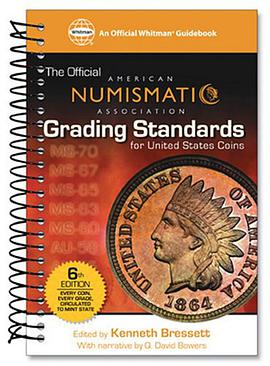
1985 Coin Collecting: A Comprehensive Guide for Beginners and Enthusiasts A Journey Through American Numismatics: Understanding Value, History, and Preservation The world of coin collecting, or numismatics, is a fascinating intersection of history, art, and economics. For both the novice just opening their first Whitman folder and the seasoned collector seeking to complete a challenging series, a deep understanding of the principles governing coin value, grading, and historical context is paramount. This volume, 1985 Coin Collecting: A Comprehensive Guide for Beginners and Enthusiasts, serves as an indispensable companion, offering a structured approach to navigating the diverse landscape of United States coinage from the colonial era through the modern issues of the mid-1980s. This guide moves beyond simple checklists, delving into the critical factors that determine a coin’s worth—factors often misunderstood by those new to the hobby. We begin with a foundational exploration of metal composition and weight standards established by the U.S. Mint, examining how the Coinage Acts of 1792 and subsequent legislation shaped the physical characteristics of the nation’s circulating currency. Understanding the transition from silver denominations (such as the early large cents and half-dimes) to base metal coinage provides crucial context for rarity and survival rates. Part I: The Foundation of Value – Grading and Condition The single most significant determinant of a coin’s market value is its condition. This section provides a meticulous breakdown of the established grading standards used by major professional grading services, ensuring collectors can accurately assess their holdings. We detail the ubiquitous Sheldon Scale (MS-1 to PRF), explaining the nuances between Mint State (MS) grades. For instance, the subtle difference between an MS-63 and an MS-65 can represent thousands of dollars in value, particularly for scarcer dates. We scrutinize the importance of eye appeal, focusing on attributes like cartwheel luster, toning (natural versus artificial), and the presence or absence of distracting marks or abrasions. Specific attention is paid to strike quality—how sharply the design elements transferred from the die to the coin blank. A sharp strike, revealing full detail on Lincoln’s ear or the strands of hair on Liberty, is a hallmark of a premium coin. Furthermore, this guide offers practical advice on handling and storage. It stresses the importance of inert storage materials, recommending archival-quality Mylar or polyethylene flips over older PVC-based holders, which are notorious for leaching harmful plasticizers that cause green slime—a condition that instantly devastates a coin’s collector value. Techniques for safely viewing coins under magnification, utilizing properly diffused light sources, are also covered extensively. Part II: A Deep Dive into Series Analysis The core of this book is a methodical exploration of key U.S. coin series, highlighting key dates, scarce varieties, and common pitfalls for new collectors. We organize this analysis chronologically and thematically: 1. Early American Coppers (1793–1857): These coins represent the dawn of American minting. We analyze the dramatic variations within the Large Cent series (Chain, Wreath, Liberty Cap) and the intricacies of die states. Understanding that a 1793 Chain Cent exists in several major die variations underscores the complexity of collecting these early issues. The guide provides visual keys for distinguishing major varieties, such as the "No Lash" versus "Lashed" varieties in certain early cents. 2. Silver Coinage (Half Dimes to Dollars): This section meticulously examines the flow from Capped Bust coinage through Seated Liberty and Barber designs. Emphasis is placed on overdates and die breaks prevalent in the early half dimes. For the Morgan Dollar series (1878–1921), a complex area beloved by many, we detail the crucial distinctions between Philadelphia, New Orleans, San Francisco, and Carson City mint marks, paying special attention to the infamous 1893-S and the subtle differences in field texture between early and late die states of the common dates. 3. The Small Cent Era (Indian Head and Lincoln): The ubiquitous Lincoln Cent provides an excellent entry point, but true depth requires recognizing high-value errors. We dedicate a chapter to recognizing Doubled Die Obverses (DDOs), illustrating how minute shifting during the striking process created collectible varieties like the famous 1955 DDO. Contrast is drawn between the highly intricate design of the Indian Head Cent (1859–1909) and the more robust Lincoln design, noting the rarity of the 1909-S VDB and 1914-D issues. 4. Commemorative Issues and Proofs: This section addresses the specialized area of commemorative coins issued between 1892 and 1954, analyzing the market demand versus historical production numbers. For proof coinage, we explain the significance of the cameo effect—deeply frosted devices contrasting sharply against mirror-like fields—and how Proof-65 examples command substantial premiums over standard Uncirculated coins. Part III: Market Dynamics and Collecting Strategies A successful collector must also be an informed buyer. This guide equips the reader with the necessary tools to navigate the marketplace responsibly. Establishing a Budget and Focus: We encourage collectors to define a realistic budget and select a manageable collecting focus, whether it be type collecting (one example of every major design), date-set completion, or specializing in mint marks. Random accumulation rarely leads to satisfying results. Understanding Price Guides vs. Actual Transactions: While readily available published price guides offer a baseline, this volume stresses that the actual price realized in a sale depends on immediate demand, rarity, and verifiable certification. We explore how auction results, rather than static guide values, reflect current market sentiment. Detecting Counterfeits and Alterations: Sadly, the hobby is plagued by deceptive practices. Detailed explanations are provided on how to spot artificially toned coins, "over-polishing" to simulate higher grades, and crudely cast counterfeits of high-value issues. Key indicators involve checking for weak details in protected areas, unnatural luster patterns, and verifying coin weight against established standards. This comprehensive resource serves not merely as a catalog, but as a methodology—a guide intended to instill the rigorous standards necessary to appreciate and preserve America’s numismatic heritage accurately. By mastering the language of condition, history, and market mechanics detailed within these pages, the collector transforms from a mere accumulator of metal discs into a knowledgeable steward of history.