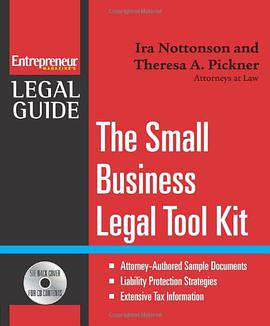
具体描述
Corporations and Other Business Organizations: A Comprehensive Guide to the Evolving Landscape I. Introduction: The Foundation of Commerce and the Necessity of Legal Frameworks In the dynamic world of commerce, the establishment and operation of businesses are fundamental to economic growth and societal progress. From the nascent startup with a visionary idea to the multinational corporation with a global reach, the legal structures underpinning these entities are crucial. These structures not only define the rights and responsibilities of owners, investors, and employees but also dictate the relationships businesses have with regulators, creditors, and the public. This comprehensive guide delves into the intricate world of corporations and other business organizations, providing a detailed exploration of their formation, governance, operations, and dissolution. It aims to equip legal professionals, business owners, entrepreneurs, and students with a thorough understanding of the principles, practices, and evolving legal landscape that governs these essential pillars of modern economies. The sheer diversity of business ventures necessitates a range of organizational forms, each with its unique advantages and disadvantages. Understanding these differences is paramount for making informed decisions that align with business objectives, risk tolerance, and long-term aspirations. This exploration goes beyond mere definitions, offering practical insights into the strategic application of different organizational structures. II. The Genesis of Business: From Sole Proprietorship to Corporate Giants The journey of a business often begins with the simplest of forms and can evolve into more complex structures as it grows and its needs change. Sole Proprietorship: This is the most basic form, where a single individual owns and operates the business. The owner has complete control but also unlimited personal liability for business debts. This section will explore the ease of formation, minimal regulatory hurdles, and the inherent risks associated with this structure, along with strategies for mitigating those risks in nascent ventures. We will examine the tax implications and the challenges of raising capital for sole proprietorships. Partnership: A partnership involves two or more individuals who agree to share in the profits or losses of a business. Different types of partnerships, such as general partnerships and limited partnerships, will be dissected. General Partnership: Partners share in the profits, losses, and management responsibilities. Each partner typically has unlimited personal liability. This part will detail the importance of a well-drafted partnership agreement, outlining contributions, profit and loss distribution, dissolution procedures, and dispute resolution mechanisms. Limited Partnership (LP): Consists of at least one general partner who manages the business and has unlimited liability, and one or more limited partners whose liability is limited to their investment. The roles and responsibilities of each type of partner, the process of forming an LP, and the limitations on limited partners' involvement will be meticulously detailed. Limited Liability Partnership (LLP): This form offers some liability protection to all partners, shielding them from the malpractice or negligence of other partners. We will explore the specific protections afforded by LLPs, their suitability for professional service firms, and the regulatory requirements for their establishment. Limited Liability Company (LLC): The LLC has gained immense popularity due to its hybrid nature, combining the pass-through taxation of partnerships with the limited liability of corporations. This section will provide an in-depth analysis of LLC formation, operating agreements, the rights and duties of members, and the flexibility in management structures. We will also compare and contrast LLCs with S-corporations and C-corporations, highlighting key distinctions in taxation and liability. The nuances of member-managed versus manager-managed LLCs and their respective implications will be thoroughly examined. Corporations: The corporation stands as a distinct legal entity, separate from its owners (shareholders). This form offers the strongest protection against personal liability and facilitates raising capital through the sale of stock. C-Corporation: The traditional corporate structure, subject to corporate income tax, and then dividends distributed to shareholders are taxed again at the individual level (double taxation). This segment will delve into the process of incorporation, including drafting articles of incorporation, selecting a registered agent, and appointing a board of directors. We will explore the intricacies of corporate governance, including shareholder meetings, director duties, and executive compensation. The advantages and disadvantages of the C-corp structure for various business scenarios, particularly for larger enterprises seeking external investment or planning for an IPO, will be a key focus. The mechanisms for issuing different classes of stock and their implications for control and returns will be carefully explained. S-Corporation: An S-corp is a special tax designation that allows profits and losses to be passed through directly to the owners' personal income without being subject to corporate tax rates, thus avoiding double taxation. This section will detail the eligibility requirements for electing S-corp status, the implications for shareholder taxation, and the operational constraints that come with this designation. We will analyze the strategic decisions involved in choosing between a C-corp and an S-corp, considering factors like profitability, future growth plans, and the need for reinvestment of earnings. The process of filing for S-corp status and ongoing compliance requirements will be outlined. III. The Heart of the Organization: Governance, Rights, and Responsibilities Regardless of the chosen structure, effective governance is paramount to a business's success and sustainability. This section will examine the fundamental principles that ensure accountability, transparency, and efficient operation. Corporate Governance: At the core of corporate governance lie the rights and duties of directors, officers, and shareholders. Directors: This will cover the fiduciary duties of care and loyalty owed by directors to the corporation and its shareholders. The decision-making processes, the role of the board in strategic planning and oversight, and the implications of director liability will be explored. We will examine different board structures, including independent directors and audit committees, and their contributions to good governance. The legal framework surrounding director indemnification and the impact of corporate bylaws on director responsibilities will be thoroughly analyzed. Officers: The roles and responsibilities of key officers, such as the CEO, CFO, and corporate secretary, will be detailed. Their authority to act on behalf of the corporation, their reporting obligations, and their potential liability for corporate actions will be scrutinized. The delegation of authority within the corporate hierarchy and the importance of clear job descriptions and performance metrics will be highlighted. Shareholders: The rights of shareholders, including the right to vote, inspect corporate records, and receive dividends, will be comprehensively discussed. The concept of shareholder activism and its impact on corporate decision-making will be examined. We will also explore different types of shareholders and their varying interests, as well as the legal remedies available to minority shareholders when their rights are infringed. The process of proxy solicitations and the impact of shareholder proposals will be analyzed. Management and Operations: This section will extend beyond the boardroom to the day-to-day running of the business. Contracts and Agreements: The legal framework governing business contracts, including formation, interpretation, breach, and remedies, will be a key focus. This will encompass employment contracts, vendor agreements, leases, and other crucial commercial documents. The importance of clear and unambiguous contract language, the role of offer and acceptance, consideration, and the impact of boilerplate clauses will be discussed. Intellectual Property: Protecting the intangible assets of a business, such as trademarks, copyrights, patents, and trade secrets, is vital. This segment will provide an overview of intellectual property law and its application to business organizations. The processes for obtaining and enforcing intellectual property rights, as well as the implications of infringement, will be explained. Strategies for developing and maintaining a robust intellectual property portfolio will be offered. Employment Law: The employer-employee relationship is governed by a complex web of laws. This section will cover key aspects of employment law, including hiring, discrimination, wage and hour regulations, workplace safety, and termination. The legal obligations of employers and the rights of employees will be thoroughly examined, with a focus on compliance and risk management. The intricacies of at-will employment, wrongful termination claims, and the impact of collective bargaining agreements will be explored. IV. Navigating the Lifecycle: From Inception to Dissolution The journey of a business is not static; it progresses through various stages, each with its own set of legal considerations. Formation and Capitalization: This segment will revisit the initial steps of forming a business, with a particular emphasis on the legal processes and requirements for raising capital. This will include debt financing, equity financing, venture capital, and initial public offerings (IPOs). The legal documentation and regulatory compliance associated with each method will be detailed. The nuances of private placements, crowdfunding regulations, and the role of investment bankers will be analyzed. Mergers and Acquisitions (M&A): The consolidation of businesses is a significant aspect of corporate strategy. This section will explore the legal frameworks governing M&A transactions, including different types of deals (e.g., stock purchases, asset purchases, statutory mergers), regulatory approvals, and due diligence processes. The rights of shareholders in M&A scenarios and the legal considerations for both acquirers and targets will be meticulously examined. The complexities of antitrust review and securities law compliance in M&A will be thoroughly discussed. Dissolution and Winding Up: When a business ceases to operate, a formal process of dissolution and winding up is required. This section will outline the legal procedures for dissolving various business structures, including the distribution of assets, the settlement of debts, and the termination of legal existence. The roles of receivers or trustees in bankruptcy proceedings will be discussed where applicable. The legal implications of insolvency and the priority of creditors in the distribution of assets will be a key focus. V. Emerging Trends and Future Considerations The legal landscape for business organizations is constantly evolving, shaped by technological advancements, societal shifts, and new regulatory initiatives. Digitalization and Technology: The impact of the digital age on business organization cannot be overstated. This will touch upon issues related to data privacy, cybersecurity, the legal status of digital assets, and the regulation of online platforms. The challenges of cross-border digital transactions and the evolving legal frameworks for virtual currencies and blockchain technology will be explored. Sustainability and Corporate Social Responsibility (CSR): Growing societal expectations for businesses to operate responsibly are influencing corporate governance and legal compliance. This segment will examine the increasing focus on environmental, social, and governance (ESG) factors, and how they are being integrated into corporate decision-making and reporting. The legal implications of climate change disclosures and stakeholder capitalism will be considered. Global Business and International Law: For businesses operating across borders, understanding international business law and the interplay of different legal systems is essential. This will include an overview of international treaties, trade agreements, and the legal challenges of conducting business in a globalized economy. VI. Conclusion: Empowering Informed Decision-Making Navigating the complex terrain of corporations and other business organizations requires a comprehensive understanding of the legal principles, regulatory frameworks, and practical considerations involved. This guide has provided an extensive exploration of these critical elements, aiming to empower individuals and organizations to make informed, strategic decisions that foster growth, mitigate risk, and ensure compliance. By mastering the intricacies of business law, stakeholders can build resilient and successful enterprises that contribute to a thriving economic ecosystem. The ability to adapt to the ever-changing legal and business environment is not just an advantage; it is a necessity for sustained success in the modern global marketplace.
作者简介
目录信息
读后感
评分
评分
评分
评分
评分
用户评价
评分
评分
评分
评分
评分