
具体描述
在线阅读本书
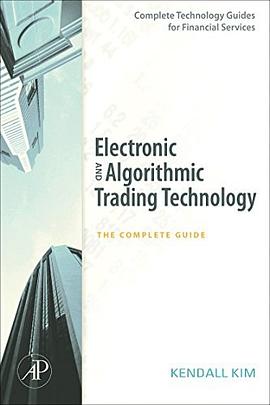
Electronic and algorithmic trading has become part of a mainstream response to buy-side traders' need to move large blocks of shares with minimum market impact in today's complex institutional trading environment. This book illustrates an overview of key providers in the marketplace. With electronic trading platforms becoming increasingly sophisticated, more cost effective measures handling larger order flow is becoming a reality. The higher reliance on electronic trading has had profound implications for vendors and users of information and trading products. Broker dealers providing solutions through their products are facing changes in their business models such as: relationships with sellside customers, relationships with buyside customers, the importance of broker neutrality, the role of direct market access, and the relationship with prime brokers. Electronic and Algorithmic Trading Technology: The Complete Guide is the ultimate guide to managers, institutional investors, broker dealers, and software vendors to better understand innovative technologies that can cut transaction costs, eliminate human error, boost trading efficiency and supplement productivity. As economic and regulatory pressures are driving financial institutions to seek efficiency gains by improving the quality of software systems, firms are devoting increasing amounts of financial and human capital to maintaining their competitive edge. This book is written to aid the management and development of IT systems for financial institutions. Although the book focuses on the securities industry, its solution framework can be applied to satisfy complex automation requirements within very different sectors of financial services - from payments and cash management, to insurance and securities. Electronic and Algorithmic Trading: The Complete Guide is geared toward all levels of technology, investment management and the financial service professionals responsible for developing and implementing cutting-edge technology. It outlines a complete framework for successfully building a software system that provides the functionalities required by the business model. It is revolutionary as the first guide to cover everything from the technologies to how to evaluate tools to best practices for IT management.
*First book to address the hot topic of how systems can be designed to maximize the benefits of program and algorithmic trading *Outlines a complete framework for developing a software system that meets the needs of the firm's business model * Provides a robust system for making the build vs. buy decision based on business requirements
作者简介
目录信息
读后感
用户评价
阅读这本书的过程,就像是潜入了一个充满复杂数学公式和晦涩技术术语的深海。书中对随机过程和鞅论在建模资产价格波动方面的应用,展现了作者深厚的数学功底。特别是关于Levy过程和跳跃扩散模型的介绍,为理解市场中的非连续性事件提供了严谨的数学框架。然而,这种严谨性也带来了一定的阅读障碍。书中的许多证明和推导过程极为详尽,虽然对追求完美的读者来说是福音,但对于希望快速掌握核心交易理念的人来说,可能会感到疲惫。我感觉作者更像是想构建一个无懈可击的数学模型,而不是为初学者搭建一座易于攀登的知识阶梯。关于期权定价的Greeks分析部分,虽然涉及了复杂的偏微分方程,但与实际交易中的风险管理策略结合得不够紧密,更像是对经典金融理论的复述,而非真正结合前沿算法的创新应用。总体而言,这是一本需要多次重读并辅以大量外部资料才能真正领悟其精髓的专业读物。
评分这本书在数据处理和特征工程方面的叙述,无疑是其最现代化的部分,也正是其吸引我的地方。作者花了相当大的篇幅讨论如何从海量的Tick数据中清洗、规范化并提取有意义的信号。他们详细介绍了滑动窗口、指数加权移动平均等时间序列分析技术在量化交易中的实际应用,并强调了数据质量对于任何算法的成功至关重要。书中对特征选择和降维方法的介绍,例如PCA在处理高维市场数据时的局限性,非常具有洞察力。然而,我注意到书中对机器学习模型的讨论相对保守和基础。虽然提到了神经网络和决策树,但更多地停留在概念层面,缺少对最新的深度强化学习(DRL)或图神经网络(GNN)在订单簿预测中应用的深入案例研究。这使得这本书在“算法交易技术”的前沿探索上显得略微滞后,更像是对过去十年成熟技术的总结,而不是对未来五年趋势的预测。它是一本扎实的教科书,但缺乏一点“前沿突破”的兴奋感。
评分这本书的组织结构,与其说是一本流畅的叙事,不如说是一系列高度专业化知识点的集合。章节之间的衔接有时显得比较生硬,不同主题的切换缺乏平滑的过渡。例如,从讨论C++的高性能编程技巧,突然跳跃到对特定期货合约交割规则的法律解读,这种跨度对读者的认知负荷是相当大的。对于一个希望通过系统阅读来建立完整知识体系的人来说,这种碎片化的呈现方式使得知识点之间的联系不够清晰。虽然每个单独的章节内容都非常专业和深入,但缺乏一个贯穿始终的、关于“如何将所有这些技术组件集成到一个可盈利的交易系统中”的宏观蓝图。书的后半部分,关于回测框架构建的讨论,虽然提供了详细的步骤,但对于如何科学地进行参数优化和避免“过度拟合”到历史数据的陷阱,其指导性意见不够具有说服力,显得有些过于乐观地假设了模型的历史表现能代表未来。
评分这本书的深度和广度确实令人印象深刻,但对于一个初涉金融科技领域的读者来说,可能需要付出相当的努力才能完全消化其中的内容。书中有大量关于市场微观结构和订单流动力学的深入探讨,这些部分对理解现代交易所的运作机制至关重要。作者详尽地阐述了不同类型的订单(如限价单、市价单、冰山单)如何在匹配引擎中交互,以及它们对市场深度和价格发现的影响。我特别欣赏书中对延迟(Latency)问题的分析,详细介绍了如何通过优化硬件、网络拓扑乃至软件架构来减少纳秒级的延迟,这对于高频交易策略的执行至关重要。不过,对于那些更侧重于宏观经济模型或基本面分析的读者来说,这本书的视角可能过于技术化和细节导向。它更像是一本面向系统工程师或量化研究员的工具书,而不是一本面向投资组合经理的指南。书中对低延迟编程范式和并行计算的讨论,虽然技术含量极高,但也意味着缺乏对更传统金融理论的广泛涉猎,这使得它在理论框架的构建上略显单薄,更偏向于工程实现而非纯粹的金融学论证。
评分令人费解的是,尽管书名强调了“电子化”和“算法”,但关于系统韧性、容错设计和监管合规性的讨论却显得过于简略。在一个金融系统日益中心化和高度互联的时代,系统的健壮性(Robustness)与速度同等重要。我期待看到更多关于如何设计一个能够抵御网络攻击、软件Bug或极端市场波动而不崩溃的交易基础设施的章节。书中虽然提到了风险控制,但更多地集中在基于统计套利策略本身的风险指标上,比如夏普比率或最大回撤的计算。对于系统层面的风险——比如一个错误的参数设置导致系统无限期地提交无效订单——的预防和审计流程,这本书几乎没有涉及。这就像是教人如何制造一辆超级跑车,却忽略了如何安装刹车和安全气囊。对于真正想把模型投入实战的机构读者来说,这部分缺失让本书的实用价值大打折扣。
评分浏览了一遍,发觉和Introduction to Algorithmic Trading的内容差不多,都是泛泛而谈,全是介绍性内容,还是专心看Algorithmic Trading and DMA吧
评分浏览了一遍,发觉和Introduction to Algorithmic Trading的内容差不多,都是泛泛而谈,全是介绍性内容,还是专心看Algorithmic Trading and DMA吧
评分浏览了一遍,发觉和Introduction to Algorithmic Trading的内容差不多,都是泛泛而谈,全是介绍性内容,还是专心看Algorithmic Trading and DMA吧
评分浏览了一遍,发觉和Introduction to Algorithmic Trading的内容差不多,都是泛泛而谈,全是介绍性内容,还是专心看Algorithmic Trading and DMA吧
评分浏览了一遍,发觉和Introduction to Algorithmic Trading的内容差不多,都是泛泛而谈,全是介绍性内容,还是专心看Algorithmic Trading and DMA吧