
具体描述
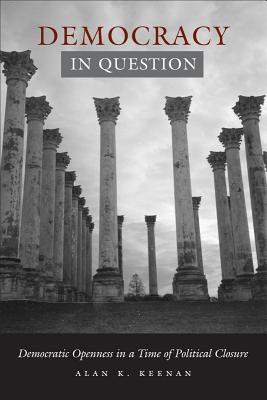
This book explores the theoretical paradoxes and practical dilemmas that flow from the still radical idea that in a democracy it is the people who rule, and argues that accepting the open and uncertain character of democratic politics can lead to more sustainable and widespread forms of democratic engagement.
The author engages theorists from a range of democratic thought—Rousseau, Arendt, Benhabib, Sandel, Laclau, and Mouffe—to show how each either ignores or downplays the difficulties that democratic principles pose. Though there can be no entirely valid solution to the paradoxes that plague democracy, the author nonetheless argues that democratic politics—particularly under contemporary conditions of social fragmentation and insecurity—urgently requires new practical and rhetorical strategies. The book concludes by addressing the American context, elaborating the need for a language of democratic engagement less ensnared in the anti-political logic of moralism and resentment that now characterizes the American political spectrum.
Review
"The very features of democracy that make it attractive—its openness, reflexivity, and fluidity—also generates objectionable qualities. Even at its best, democracy generates serial resolutions, each of which brings into existence new closures, manifest in the new and serial 'we's' constituted by democratic procedures. In this fine book, Alan Keenan argues that democrats must understand that these objectionable features are essential to what democracy is. Examining a number of contemporary democratic theories committed to openness and inclusion, Keenan shows how often strategies for grounding democratic openness edge toward closure, and do so while failing to acknowledge the basic risks of democratic experience. What if, Keenan asks, the search for unquestionable grounds for democratic openness turns out to undermine democracy, not because of the substance of the grounds, but because of the nature of the search? Would it be possible to transform the objectionable features of democracy into a source of a democratic ethos? Keenan suggests that the risks of democracy might be affirmed as a shared fate in ways that support openness, providing an ethical complement to more traditional approaches to democratic theory and practice. Whether or not they agree with his solution, it will be hard for democratic theorists to ignore Keenan's powerful formulation of the problem." —Professor Mark E. Warren,Georgetown University
"There is a paradox at the heart of the idea of democracy a product of its commitment to freedom combined with its need to found that freedom in a foundation that constrains. Democracy, devoted to freedom, is always, ineluctably implicated in sovereignty, violence and rule. This paradox is ignored or resolved by most democratic theorists, but not by Alan Keenan. In Democracy in Question, Keenan relentlessly tracks the mischief worked by democracyís fundamental paradox in the thinking of Castoriadis, Rousseau, Arendt, Laclau and Mouffe, and Sandel. Keenanís readings of all these thinkers are masterful. On Arendt, in particular, he is brilliant. This book, rigorous, penetrating and clearly written, is no less than a must-read for everyone interested in democratic theory and the politics of freedom and legitimation." —Bonnie Honig,Northwestern University & The American Bar Foundation
"Democracy makes possible popular sovereignty yet seems to presuppose the very people that it makes. Keenan's rich account of this and other contradictions in theory concludes with an arresting, if somewhat paradoxical, suggestion for the improvement of democratic practice—that the key to a more robust political future is the cultivation of more modest democratic virtues, such as capacity for self-limitation in support of democracy always in question. Profoundly radical and eminently sober at the same time, this book is democratic theory at its best." —Jeffrey K. Tulis,University of Texas at Austin
From the Inside Flap
This book explores the theoretical paradoxes and practical dilemmas that flow from the still radical idea that in a democracy it is the people who rule, and argues that accepting the open and uncertain character of democratic politics can lead to more sustainable and widespread forms of democratic engagement.
The author engages theorists from a range of democratic thought—Rousseau, Arendt, Benhabib, Sandel, Laclau, and Mouffe—to show how each either ignores or downplays the difficulties that democratic principles pose. Though there can be no entirely valid solution to the paradoxes that plague democracy, the author nonetheless argues that democratic politics—particularly under contemporary conditions of social fragmentation and insecurity—urgently requires new practical and rhetorical strategies. The book concludes by addressing the American context, elaborating the need for a language of democratic engagement less ensnared in the anti-political logic of moralism and resentment that now characterizes the American political spectrum.
From the Back Cover
“The very features of democracy that make it attractive—its openness, reflexivity, and fluidity—also generates objectionable qualities. Even at its best, democracy generates serial resolutions, each of which brings into existence new closures, manifest in the new and serial ‘we’s’ constituted by democratic procedures. In this fine book, Alan Keenan argues that democrats must understand that these objectionable features are essential to what democracy is. Examining a number of contemporary democratic theories committed to openness and inclusion, Keenan shows how often strategies for grounding democratic openness edge toward closure, and do so while failing to acknowledge the basic risks of democratic experience. What if, Keenan asks, the search for unquestionable grounds for democratic openness turns out to undermine democracy, not because of the substance of the grounds, but because of the nature of the search? Would it be possible to transform the objectionable features of democracy into a source of a democratic ethos? Keenan suggests that the risks of democracy might be affirmed as a shared fate in ways that support openness, providing an ethical complement to more traditional approaches to democratic theory and practice. Whether or not they agree with his solution, it will be hard for democratic theorists to ignore Keenan’s powerful formulation of the problem.” —Professor Mark E. Warren,Georgetown University
“There is a paradox at the heart of the idea of democracy a product of its commitment to freedom combined with its need to found that freedom in a foundation that constrains. Democracy, devoted to freedom, is always, ineluctably implicated in sovereignty, violence and rule. This paradox is ignored or resolved by most democratic theorists, but not by Alan Keenan. In Democracy in Question, Keenan relentlessly tracks the mischief worked by democracyís fundamental paradox in the thinking of Castoriadis, Rousseau, Arendt, Laclau and Mouffe, and Sandel. Keenanís readings of all these thinkers are masterful. On Arendt, in particular, he is brilliant. This book, rigorous, penetrating and clearly written, is no less than a must-read for everyone interested in democratic theory and the politics of freedom and legitimation.” —Bonnie Honig,Northwestern University & The American Bar Foundation
作者简介
Alan Keenan is a Mellon Postdoctoral Fellow in Peace and Conflict Studies at Bryn Mawr College, where he teaches classes in the Political Science department. He spent most of the preceding three years in Sri Lanka conducting research on the politics of human rights and the role of local civil society organizations in peace and conflict dynamics. He received his PhD in political theory from Johns Hopkins University and has taught at various institutions across the country. He is currently working on a book manuscript tentatively entitled "Between the Devil and the Deep Blue Sea: On the Politics of Human Rights and Civil Society Building in Sri Lanka."
目录信息
1. The Rule of the People? Collective Autonomy and the Wagers of Democratic Openness
2. Promises, Promises: The Abyss of Freedom and the Loss of the Political in the Work of Hannah Arendt
3. “Open Sesame!” The Affirmation of Contingency and the Politics of Openness in Laclau and Mouffe’s Radical and Plural Democracy
4. Generating a Virtuous Circle: Democratic Identity, Moralism, and the Languages of Political Responsibility
· · · · · · (收起)
读后感
用户评价
这本书的内容,犹如一汪深不见底的潭水,每一次阅读都仿佛能发现新的涟漪和暗流。作者在梳理民主发展脉络时,并没有选择那种线性的、单调的叙述方式,而是巧妙地将不同历史时期、不同地理区域的民主实践交织在一起,形成了一幅幅生动而又发人深省的画面。我记得他谈到早期民主的局限性时,并没有简单地将其归结为时代原因,而是深入分析了当时社会结构、经济基础以及意识形态对民主形态的制约。这种宏观视角下的微观分析,使得我对民主的历史演进有了更深刻的理解。同时,作者对当下民主所面临的挑战的论述,也让我感到无比的触动。他将全球范围内出现的民粹主义浪潮、极权主义的抬头,以及社会不平等的加剧,都视为对现有民主模式的严峻考验。我印象特别深刻的是,他在分析“后真相时代”对民主的影响时,引用了一些具体的案例,展示了虚假信息是如何被巧妙地操纵,并最终侵蚀人们对真相的信任。这种对现实政治的深刻洞察,让这本书不仅仅是一本理论著作,更是一本极具现实指导意义的读物。我尤其欣赏作者在探讨解决方案时,所展现出的那种审慎而又积极的态度。他并没有因为民主面临的困境而感到绝望,而是鼓励读者从公民社会的建设、制度的完善以及教育的改革等方面,去积极地寻找突破口。这本书让我明白,民主的未来,并非由少数人决定,而是掌握在每一个关注和行动的公民手中。
评分这本书的章节划分十分清晰,但每一章的内容又都相互呼应,形成了一个完整的知识体系。作者在探讨民主的起源和演进时,并没有局限于西方语境,而是广泛地借鉴了世界各地的历史经验,展现了民主的多元性和普遍性。我记得他在分析殖民主义对民主传播的影响时,深入探讨了非西方社会在接受和改造民主过程中所面临的挑战和创新。这种全球性的视野,让我对民主有了更宽广的理解。他对于“社会契约论”的解读,也显得尤为深刻。他并没有简单地重复卢梭和洛克的观点,而是从当代的社会现实出发,重新审视了社会契约的意义和内涵。他提出的关于“数字契约”和“生态契约”的概念,让我开始思考,在信息时代和气候变化的大背景下,我们是否需要重新构建我们的社会契约。更令我印象深刻的是,作者在书中对于“投票悖论”的分析。他通过一些数学模型和逻辑推理,揭示了投票制度本身可能存在的局限性,以及为何即便是在民主国家,也仍然存在着“被代表”和“被边缘化”的群体。这种对制度的深刻反思,让我对民主的运行机制有了更深入的理解。这本书让我开始思考,除了投票,我们还可以通过哪些方式来更有效地参与到公共事务中,如何才能确保每一个个体的声音都能被听到和重视。
评分这本书的结构设计,仿佛一座宏伟的知识殿堂,每一层都蕴藏着令人惊叹的智慧。作者在叙述关于民主的理想形态时,总是能够以一种充满激情但又不失理性的方式,描绘出我们所追求的目标。他对于“公共领域”的探讨,尤其让我感到受益匪浅。他认为,一个健康的民主社会,必须有一个活跃的公共领域,在那里,公民可以自由地交流思想,表达观点,并参与到公共事务的讨论之中。他对于“媒体素养”的强调,也让我意识到,在信息爆炸的时代,培养批判性思维和辨别真伪的能力,对于维护民主至关重要。他提出的关于“参与式公民权”的理念,让我看到了民主的更多可能性。他认为,公民不仅仅是权利的享有者,更是民主的积极参与者和创造者。他通过对一些基层民主实践的案例分析,展示了如何在日常生活中,让更多的人参与到决策过程中,并分享权力的行使。更让我感到惊喜的是,作者在书中还对“后民主时代”的挑战进行了前瞻性的思考。他探讨了在技术飞速发展,社会结构不断变化的背景下,民主可能会面临哪些新的挑战,以及我们应该如何去应对。这本书让我开始思考,如何才能构建一个更加包容、更加公正、更具韧性的民主社会,以及我个人可以在其中扮演什么样的角色。
评分这本书给我带来的最直接的感受,就是一种强烈的“启蒙”感。作者以一种极其清晰和有条理的方式,为我解构了许多我之前模糊不清的概念,并为我打开了通往更深层次思考的大门。他对于“自由主义民主”的批判性分析,尤其让我印象深刻。他并没有全盘否定自由主义民主的价值,而是深入探讨了其潜在的危机和局限性,例如个人主义的过度膨胀可能导致的社会原子化,以及市场逻辑对公共领域的侵蚀。他提出的关于“社会民主”和“生态民主”的理念,为我提供了一种新的思考框架,让我看到了民主发展的更多可能性。我记得他在探讨“公民不服从”时,引用了一些历史上的案例,并对其进行了深刻的哲学解读。他认为,在某些情况下,公民不服从不仅仅是一种权利,更是一种责任,是维护民主制度健康运转的重要手段。他对于“民主的脆弱性”的论述,也让我感到警醒。他通过对一些国家民主倒退的案例分析,展示了民主制度是如何在内外因素的作用下,一步步走向衰败。这本书让我明白,民主并非一成不变的成就,而是一个需要持续关注、精心维护的脆弱平衡。我开始反思,作为一名公民,我应该如何更好地履行我的责任,如何才能为民主的健康发展贡献自己的力量。
评分这本书的封面设计让我立刻被吸引住了,那种略带复古却又充满现代感的排版,简洁而富有力量的字体选择,以及主色调的运用,都散发出一种深刻且引人思考的气息。我至今还记得初次在书店看到它时的场景,它静静地陈列在书架上,仿佛在等待着有缘人的到来。我并没有立即翻开它,而是花了一段时间去感受它所传递出的某种氛围。那种氛围不是激昂的口号,也不是宏大的叙事,而是一种更为内敛、更具人文关怀的召唤。它似乎在提醒着我们,在当下这个信息爆炸、观点林立的时代,对于我们所珍视的某些价值,或许需要重新审视和辩驳。我当时就在想,这本书的名字本身就充满了张力,“Democracy in Question”,这是一种直接的挑战,一种邀请,邀请读者一同去探索民主的边界,去质疑那些我们习以为常的定义。这种开放式的命名方式,反而激起了我更强烈的阅读欲望,因为它暗示着书中不会有简单的答案,而是一场深入的探究。我开始想象,作者会如何构建他的论证,他会从哪些角度去剖析民主的内涵,他又会引用哪些经典的理论和案例。我期待着在字里行间,能够找到关于民主的新的理解,或是对旧有理解的挑战。在书的装帧上,纸张的质感也恰到好处,拿在手里有分量,翻阅时也没有廉价感,这无疑为阅读体验增添了额外的分数。总而言之,这本书给我的第一印象,就是它具有一种独特的、引人入胜的魅力,它不仅仅是一本书,更像是一扇通往思考的大门,而我,已经迫不及待地想要推开它。
评分这本书的书写风格,让我感觉像是与一位睿智的朋友在进行一场深刻的对话。作者的语言非常流畅,又不失精准,他能够将复杂的政治理论,用非常易于理解的方式阐述出来。我记得他在讨论“公民美德”的重要性时,引用了古希腊哲学家的思想,并将其与当代的民主实践相结合,提出了关于公民如何在公共生活中发挥积极作用的见解。这种古今结合的论述方式,让原本可能显得陈旧的哲学思想,焕发出了新的生命力。他对于“激进民主”的探讨,也让我耳目一新。他并没有将激进视为一种颠覆性的破坏,而是将其看作是推动社会进步和民主深化的重要动力。他通过对一些历史上的激进运动的分析,展示了激进力量如何在挑战现有权力结构的同时,也为民主的演进注入了新的活力。我尤其欣赏作者对于“权力制衡”的论述,他用生动的语言描述了不同权力主体之间的相互制约和相互牵制,并强调了这种制约对于防止权力滥用和保障公民权利的至关重要性。他提出的关于“第四权力”——媒体——在民主社会中的作用,也让我进行了深刻的反思。他分析了媒体在信息传播、舆论监督以及塑造公众认知方面所扮演的关键角色,同时也揭示了媒体可能存在的偏见和操纵。这本书让我明白,民主的运行,是一个复杂而精妙的系统,需要各个环节的协同配合,也需要我们每一个人的积极参与和审慎监督。
评分我不得不说,这本书给我带来的冲击是巨大的,它以一种我从未预料到的方式,将我带入了一个关于民主的宏大而又细致的讨论之中。作者并没有一开始就抛出那些陈词滥调的定义,而是从一些看似微不足道的细节入手,层层剥茧,逐渐揭示出民主制度背后更为复杂和脆弱的结构。我记得其中有一章,作者深入剖析了所谓“多数统治”的逻辑,并引用了大量的历史事件和哲学思辨来论证,当多数人的意志变得绝对化时,它可能会成为少数人权利和个体自由的压迫者。这种角度的切入,让我对民主最基本的神圣性产生了疑问,也开始反思我们日常生活中对“民意”的简单化理解。书中对不同政治体制的比较分析也十分到位,作者在引经据典的同时,也展现了其扎实的田野调查和对现实政治的高度关注。他不仅仅是在纸上谈兵,而是将理论与实践紧密结合,用生动的语言描述了不同国家在民主实践中所遭遇的困境和挑战。这种方式使得原本枯燥的政治学理论变得鲜活起来,也让我能够更清晰地看到民主在不同文化和社会背景下的多元表现。更令我印象深刻的是,作者在书中并没有回避那些令人不适的真相,他毫不避讳地揭露了民主制度中存在的权力寻租、民粹主义的陷阱,以及信息不对称可能对民主进程造成的侵蚀。这种坦诚和批判性的态度,让我对作者的专业性和勇气深感敬佩。这本书让我明白,民主并非一个一成不变的完美形态,而是一个需要不断警惕、反思和修正的动态过程。它不是一个终点,而是一条永无止境的道路,需要我们每一个人付出努力去维护和深化。
评分读完这本书,我最大的感受是,我对“民主”这个词有了全新的、更复杂的理解。作者在书中并没有提供一个简单的“是什么”的答案,而是不断地引导读者去思考“为什么”和“怎么样”。他以一种非常个人化但又极具普适性的方式,分享了自己对民主的观察和思考。我记得他在描述一次街头抗议时,并没有将参与者简单地标签化,而是深入捕捉了他们内心的诉求和情绪,以及他们在集体行动中所产生的连接感。这种对个体经验的细致描绘,让我看到了民主的另一面——它不仅仅是制度的设计,更是人与人之间的连接,是群体意志的表达,是追求更美好生活的集体努力。他对于“协商民主”的深入探讨,也让我看到了民主的可能性和方向。他通过对不同社区和组织中实际的协商过程的分析,展示了如何在多元化的观点中找到共识,如何在冲突中建立理解。这种接地气的分析,让我看到了民主并非遥不可及的理想,而是在我们日常生活中可以努力实践的目标。同时,作者也毫不避讳地指出了民主在实践中可能出现的陷阱,例如“沉默的螺旋”效应,以及信息不对称如何加剧了社会的分裂。他对这些问题的分析,让我意识到,维护民主需要警惕和不断的努力。这本书让我开始思考,作为个体,我可以在哪些方面为民主的深化做出贡献,我是否能够更加理性地参与公共讨论,是否能够更加包容地倾听不同的声音。
评分阅读过程中,我最大的感受是,这本书真的让我“动脑筋”了。它不是那种读完后就可以随手放下的读物,而是会让你在合上书页很久之后,仍然在思考其中的观点。作者的写作风格非常独特,他善于运用一些意想不到的比喻和类比,将抽象的政治概念具象化,让读者能够轻松理解。例如,在讨论信息传播对民主的影响时,他将社交媒体比作一个巨大的“信息池”,而我们则像是在这个池子里游泳的人,很难辨别哪些是干净的水,哪些是浑浊的泥沙。这种形象化的描述,让我瞬间就明白了信息过载和虚假信息可能带来的巨大危害。同时,作者的语言也非常有力量,他能够用简洁而精准的词汇,表达出深刻的含义。我常常需要停下来,反复咀嚼他的一些句子,才能完全领会其中蕴含的意义。他对待每一个论点都显得格外审慎,总是在提出一个观点后,会立即从不同的角度去审视它,并为读者提供多方面的思考维度。我特别喜欢他在书中探讨“参与式民主”的部分,他并没有仅仅停留在理论的层面,而是深入分析了不同形式的公民参与,以及它们在实践中可能遇到的阻碍和局限。他提出的关于“碎片化参与”和“表演性参与”的概念,让我对我们现有的一些民主实践有了全新的认识。这本书让我意识到,仅仅停留在投票环节的民主,是远远不够的,真正的民主需要更深层次、更广泛的公民参与,但这同时也伴随着巨大的挑战。他对于公民素质、教育和信息素养的要求,也让我开始反思,我们是否真正为参与更深层次的民主做好了准备。
评分这本书的逻辑构建,如同精密的齿轮组,每一个环节都紧密相连,却又独立运作,最终推动着读者对民主的认知不断深入。作者在阐述其核心观点时,总是能够提供充分的证据和严谨的推理,让人心服口服。我尤其记得他在探讨“代表性危机”时,通过大量的数据和案例,清晰地展示了为何越来越多的公民感到他们的声音在政治体系中被忽视。他提出的关于“决策者与被决策者脱节”的论述,让我对现有政治代表制度的运作产生了深深的质疑。他并没有简单地指责政治家,而是深入分析了制度性因素,如竞选资金的限制、媒体的过滤作用,以及官僚体系的惯性,如何共同导致了这种代表性危机。更让我感到惊喜的是,作者在书中还引入了一些跨学科的视角,例如从心理学、社会学甚至神经科学的角度,去解释为何人们会更容易受到民粹主义口号的吸引,以及为何理性讨论在某些情况下会变得异常困难。这种多元化的分析方法,使得他对民主问题的探讨更加全面和深入。他对于“民主赤字”的分析,也让我意识到,民主不仅仅是政治制度层面的问题,更与社会经济的公平、文化的发展以及教育的普及息息相关。这本书让我明白,要解决民主面临的困境,需要一场更加系统性的、涉及社会各个层面的变革。我尤其赞赏作者在书中对于“公民责任”的强调,他鼓励我们不仅仅是权利的索取者,更是民主的维护者和建设者。
评分2. Promises, Promises: The Abyss of Freedom and the Loss of the Political in the Work of Hannah Arendt. 作者分析了Arendt的《论革命》一书的论证,最后批判她的逻辑,认为,自由必然会伴随着自由的衰落,革命之后the political必然会被the non-political取代,阿伦特提出的promise, authority, written constitution等手段无法有效保证在稳定的环境中the political这一场域永远开放,因此她无法完全反驳卢梭以及sovereignty在政治中的重要性。
评分2. Promises, Promises: The Abyss of Freedom and the Loss of the Political in the Work of Hannah Arendt. 作者分析了Arendt的《论革命》一书的论证,最后批判她的逻辑,认为,自由必然会伴随着自由的衰落,革命之后the political必然会被the non-political取代,阿伦特提出的promise, authority, written constitution等手段无法有效保证在稳定的环境中the political这一场域永远开放,因此她无法完全反驳卢梭以及sovereignty在政治中的重要性。
评分2. Promises, Promises: The Abyss of Freedom and the Loss of the Political in the Work of Hannah Arendt. 作者分析了Arendt的《论革命》一书的论证,最后批判她的逻辑,认为,自由必然会伴随着自由的衰落,革命之后the political必然会被the non-political取代,阿伦特提出的promise, authority, written constitution等手段无法有效保证在稳定的环境中the political这一场域永远开放,因此她无法完全反驳卢梭以及sovereignty在政治中的重要性。
评分2. Promises, Promises: The Abyss of Freedom and the Loss of the Political in the Work of Hannah Arendt. 作者分析了Arendt的《论革命》一书的论证,最后批判她的逻辑,认为,自由必然会伴随着自由的衰落,革命之后the political必然会被the non-political取代,阿伦特提出的promise, authority, written constitution等手段无法有效保证在稳定的环境中the political这一场域永远开放,因此她无法完全反驳卢梭以及sovereignty在政治中的重要性。
评分2. Promises, Promises: The Abyss of Freedom and the Loss of the Political in the Work of Hannah Arendt. 作者分析了Arendt的《论革命》一书的论证,最后批判她的逻辑,认为,自由必然会伴随着自由的衰落,革命之后the political必然会被the non-political取代,阿伦特提出的promise, authority, written constitution等手段无法有效保证在稳定的环境中the political这一场域永远开放,因此她无法完全反驳卢梭以及sovereignty在政治中的重要性。