
具体描述
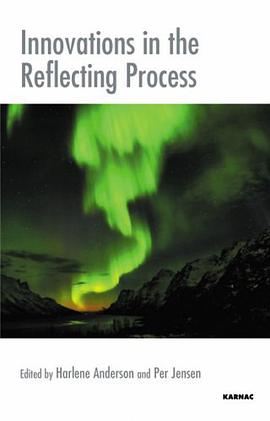
This book celebrates the life and work of Tom Andersen, who developed and promoted worldwide the reflecting conversation process, now referred to as dialogical or conversational practice, and which is transforming the practice of family therapy.The volume illustrates Andersen's passion for inspiring and supporting local efforts to transform mental health services throughout the world. Some chapters describe projects in their local communities, in places as diverse as Africa, South America, and Central Europe, in which they have creatively applied some of Andersen's ideas to change the way services are delivered and the way patients are understood and addressed. Others show how Anderson's ideas can act as a springboard for other major contributors to the family therapy field to develop and refine their own theoretical positions.The book is well framed by the two editors, who have known and worked with Andersen for many years, yet they have avoided any urge to deify him. Instead they give a clear-eyed description of his place in the field and the relevance of his ideas for systemic therapists and consultants. Central to this volume are Andersen's notion of respect, resourcefulness of clients, collaborative relationships, dialogue, and, of course, the well-known reflecting process-notions arising from Andersen's work and evolution as a therapist, but also shown in the context of actual practice so they can bring fresh ideas for contemporary therapists."This is an important book for our Series. It brings together people who have either previously contributed books to this Series or have been "present" in many volumes through the force and influence of their ideas. The book engages the reader at two levels. On one level it demonstrates how the ideas that Tom Andersen promulgates can be developed, or, as it seems in several chapters, how they can act as a springboard for other major contributors to the family therapy field such as Hoffman, Seikkula, Shotter and Harlene Anderson to develop and refine their own theoretical positions. Central to these authors are Andersen's notion of respect, resourcefulness of clients, collaborative relationships, dialogue, and, of course, the well-known reflecting process, but because these authors are sharpening the cutting edge of their own thinking, they are bringing fresh ideas for contemporary therapists." --David Campbell and Ros Draper, from the Editors' Foreword "The passion to continually be on the move to seek new understanding is a characteristic of the field of family therapy and systemic thinking over the last forty years. Many professionals have moved around, more or less freely, in and out of this field. Some have made footprints that will last for a long time. One of these is Tom Andersen. From a position as professor in social psychiatry at the University of Tromso in northern Norway he has moved around the world participating with other professionals in their efforts to develop their work and seek wider horizons."--Harlene Anderson and Per Jensen, from the Preface
作者简介
目录信息
读后感
用户评价
这本书的结构安排简直是一次精妙的迷宫探索。开篇部分那些关于认知偏差和元认知调适的论述,初看起来似乎有些艰涩,但一旦你跟着作者的逻辑链条深入下去,你会发现每一个看似独立的章节,其实都是对前一个概念的深化或挑战。我特别喜欢其中关于“时间性”在反思活动中作用的讨论,作者巧妙地将过去经验的重塑、当下的情境感知以及对未来行动的预设编织在一起,形成了一个动态的闭环。这种多维度的切入点,使得即便是同一主题,在不同的章节里也会呈现出截然不同的光影效果。文字风格在保持学术严谨性的同时,融入了某种近乎诗意的叙述,尤其在描述那些“顿悟”的瞬间时,笔触显得尤为轻盈而精准。全书的阅读体验,就像是攀登一座设计复杂的阶梯,每一步都需要集中注意力,但每登高一层,视野便会开阔一分,那种对知识架构的整体把握感,是很少有书籍能给予的。
评分这本书的视角着实令人耳目一新,它没有落入那种泛泛而谈的理论窠臼,而是深入到具体案例的肌理之中,仿佛带着读者亲手去解剖那些看似寻常却暗藏玄机的“反思瞬间”。我尤其欣赏作者在处理复杂情境时的那种细腻与克制,他没有急于给出标准答案,而是铺陈出不同行动者在特定文化和社会背景下的多元挣扎。读到关于跨文化交流的章节时,我仿佛能感受到那种试图在截然不同的思维框架间搭建桥梁的巨大张力,文字的节奏感极强,时而如溪流般平缓舒缓,引导人进入沉思;时而又像遭遇礁石般陡然加速,带来认知上的冲击。这本书的魅力在于,它不只是在讲述“如何反思”,更是在展现“反思的本质就是一种持续的、充满不确定性的探索”。那种对人性微妙之处的洞察,那种对语言在构建理解与误解中所扮演角色的深刻剖析,都让这本书的阅读体验远超一般的学术论著,它更像是一次深入内心的对话,让人在合卷之后仍久久不能平静,需要时间消化其中那些未言明的留白和暗示。
评分我很少见到一本书能在保持高度的理论自觉性的同时,还能对实践领域产生如此直接而深远的影响。这本书的独到之处在于,它没有将“反思”视为一个孤立的行为,而是将其置于一个宏大的生态系统中去审视,探讨了环境压力、组织文化乃至个体生命叙事如何共同塑造了反思的质量和范围。作者的笔法老辣而富有洞察力,尤其是在讨论如何将个体学习成果转化为集体知识共享机制时,其提出的模型极具操作性,且充分考虑了现实中的政治阻力与惰性。阅读时,我时常会感到一种强烈的“被理解”感,仿佛作者提前预见了我在实际工作中会遇到的所有困境。这种深度的共鸣,加上其严谨的论证体系,使得这本书不仅仅是一部学术著作,更像是一份为高阶学习者准备的“行动纲领”,它要求读者不仅仅是接受信息,更是要参与到理论的建构过程中来,真正地成为反思实践的革新者。
评分老实说,我带着一些怀疑的态度开始阅读的,毕竟“反思”这个主题已经被讨论得太透了。然而,这本书迅速打破了我的成见。它没有使用那些陈词滥调,而是聚焦于“无意识的行动脚本”是如何阻碍有效反思的。作者构建了一个非常实用的分析框架,这个框架不是教条式的,而是更像是一套精密的“诊断工具”,能让人快速定位到自己思维模式中的盲点。语言风格极其果断和直接,少有冗余的修饰,读起来酣畅淋漓,像是在聆听一位经验极其丰富的临床导师的指导。最让我印象深刻的是,书中对“失败后的沉默”这一现象的剖析,探讨了为什么某些关键的经验反而因为其痛苦性而被刻意地从反思链条中剔除。这种对人类防御机制的深刻理解,让这本书充满了人性的温度和力量,它不仅提供了方法论,更给予了读者面对自身弱点的勇气。
评分这部作品的阅读体验,很大程度上取决于读者自身的“投入程度”。如果你只是想快速浏览结论,这本书可能会显得有些过于“咬文嚼字”。但如果你愿意沉浸其中,去品味那些介于明确和模糊之间的灰色地带,它会释放出巨大的能量。作者似乎非常偏爱使用类比和隐喻来阐释那些难以言喻的认知过程,比如将“反思的迭代”比作“雕刻一个不断变化的水晶结构”,这个比喻的生动性,使得抽象的概念变得触手可及。行文的节奏变化多样,有些段落读起来需要反复咀嚼,仿佛在品尝一种层次丰富的葡萄酒;而另一些地方则如行云流水般自然流畅,让人不自觉地一口气读完。这本书更像是一本“思想的催化剂”,它不是简单地提供答案,而是通过提出更深刻的问题,强迫你的大脑以一种全新的、更具批判性的方式去运作,非常适合那些已经有一定实践基础,但渴望实现“质变”的专业人士。
评分 评分 评分 评分 评分