
具体描述
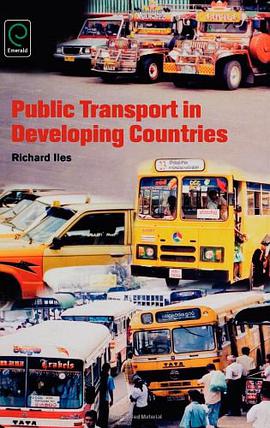
Numerous books have been written which deal with transport problems in developed and developing countries, and with the planning and management of transport organisations in developed countries, but none deals specifically with the planning, regulation, management and control of public transport in developing countries. This book meets that need. It examines and explains the problems and characteristics of public transport systems in developing countries, and discusses the alternative modes, management methods, and forms of ownership, control, regulation and funding, with particular emphasis on what is appropriate at different stages of development and for different cultural backgrounds. It deals with urban, rural and long distance transport services, principally by road. This emphasis reflects the magnitude of the urban transport problem, and the predominance of road transport in most developing countries.The planning of bus services, particularly in urban areas, is covered in some detail, since this is often an area of considerable weakness. Similarly, the management of transport services and the maintenance of vehicles, including vehicle design and transport fleet planning, are also dealt with in depth. The book is aimed at all those who are involved in the provision of public transport in developing countries, including transport planners, managers of transport undertakings, aid agency and government officials responsible for the funding, provision or regulation of transport, transport consultants and advisers, and in particular students of transport or urban and rural affairs. Since there is much in common between transport operations in the developing world and in developed countries, this book should be of interest to transport operators and planners everywhere.The book is unique in that it provides a comprehensive overview of all the factors involved in planning, establishing, organizing and regulating public transport services in a developing country. It deals with the environment in which transport services are operated, in particular infrastructure requirements, road traffic management, regulatory and institutional frameworks and enforcement of regulations; it highlights the importance of an appropriate environment in order to facilitate the provision of public transport services, and shows how such an environment may be achieved. It deals in detail with all aspects of running a bus service in a developing country: the chapters on management are specific to a public transport operation and could be used as an "operator's manual", providing a valuable supplement to a more general management textbook.The book provides useful statistics and performance indicators which will be valuable as benchmarking tools. While acknowledging that the same solutions are not necessarily applicable everywhere, the book provides useful pointers to solutions to the main problems encountered in providing public transport services in developing countries.
作者简介
目录信息
读后感
用户评价
这本书的封面设计非常引人注目,采用了鲜明的对比色调,中央是一幅富有年代感的公交车图片,周围环绕着一些手绘风格的城市剪影。这种视觉上的冲击力立刻抓住了我的眼球。我是在一家独立书店的角落里偶然发现它的,当时正值一个多云的下午,书架上布满了各种学术性的著作,而这本书以其独特的艺术处理方式脱颖而出,让人忍不住想翻开看一看。我尤其欣赏封面上使用的那种略带粗糙的纹理感,它似乎在无声地诉说着发展中国家城市交通的复杂性和历史沉淀。虽然我并非专业的城市规划师,但这本书的外部包装语言,已经成功地激起了我对这个议题的好奇心。它没有采用那种刻板、严肃的学术书籍的封面风格,反而带有一种人文关怀和对现实生活细致入微的观察,这让我对后续的阅读内容充满了期待,相信作者在内容组织上也必然会采取一种更加贴近生活、而非纯粹理论分析的叙事方式。这种对细节的关注,从封面开始,就为整本书定下了一种既严肃又富有故事性的基调,让人在接触的第一时间就能感受到它区别于其他同类读物的独特品味和用心良苦。
评分这本书的写作风格展现出一种非常独特的、融合了田野调查的细腻与学术思辨深度的笔调。作者似乎拥有极强的同理心,笔触下的人物和场景都不是冰冷的符号,而是充满了鲜活的生命力。例如,在描述一次夜间非正规营运车辆的搭乘体验时,文字中流露出的那种对司机生计的体谅,以及对乘客间短暂默契的捕捉,非常人性化。它避免了那种高高在上、批判性的俯视视角,转而采用了一种近乎合作者的姿态去理解和记录这些交通系统是如何在资源极度匮乏的环境下“野蛮生长”并维持运转的。这种对“非正式性”力量的肯定和分析,是许多西方主流交通研究常常忽略的关键维度。这种叙事上的温暖感和对底层逻辑的尊重,使得这本书不仅是信息传递的工具,更像是一次深入当地社区、与当地人对话的邀请函,让人在阅读时产生强烈的代入感和情感共鸣,这是许多纯粹的数据报告望尘莫及的。
评分从目录结构来看,作者的思维脉络清晰而又富有层次感,并非简单地罗列各个城市的案例,而是构建了一个由宏观到微观的分析框架。第一部分似乎侧重于历史演变和政策制定层面的宏观背景探讨,为后续的微观观察奠定了坚实的理论基础。随后,章节的划分开始聚焦于具体的交通载体,比如非正规运营(可能是指那些小巴或摩托车出租车)与正规公交系统的共存与冲突,这种细致入微的分类处理,显示出作者对发展中国家交通生态复杂性的深刻理解。我特别留意到其中一个章节标题似乎涉及到了“最后一公里”的困境,这正是我一直关注的一个痛点,它涉及到社会公平和城市边缘人群的出行正义问题。这种结构安排,表明作者不仅停留在描述“有什么”的层面,更深入地探讨了“为什么会这样”以及“如何优化”的路径,使得整本书的论述既有学术的严谨性,又具备很强的现实指导意义,绝非泛泛而谈的旅行随笔。
评分这本书的文献引用和案例支撑做得极为扎实,虽然内容富有人文色彩,但其学术根基牢不可破。我注意到作者似乎广泛参考了来自区域研究、人类学以及发展经济学等多个领域的最新研究成果,构建了一个跨学科的对话平台。在讨论到技术干预(比如移动支付在公交系统中的应用)时,作者并没有盲目乐观地歌颂技术,而是非常审慎地分析了技术在不同社会经济阶层中推广时可能遇到的阻碍和不平等效应,这体现出一种高度成熟的批判性思维。更值得称赞的是,对于每一个案例的分析,作者都提供了详实的数据佐证,但这些数据又巧妙地融入了叙事,没有突兀地打断阅读的流畅性。总而言之,这本书成功地在严谨的学术论证和引人入胜的现场描述之间找到了一个完美的平衡点,它既能满足对专业知识有深度需求的读者,也能为对城市生活充满好奇的普通读者提供丰富而有价值的洞察,是一部真正具有跨界影响力的著作。
评分这本书的排版布局简直是一场视觉的盛宴,完全颠覆了我对这类主题书籍的固有印象。内页的字体选择非常讲究,衬线体的运用使得长篇的文字阅读起来也丝毫不感到疲惫,而且字距和行距的调整恰到好处,留白的处理尤其出色,让每一页都显得呼吸顺畅,而不是密密麻麻的文字堆砌。更令人称奇的是,它穿插了大量高质量的黑白摄影作品,这些照片的质量绝对达到了专业杂志的水准。我记得其中有一组关于某个南亚城市早高峰拥堵状况的特写,镜头语言极为有力,捕捉到了人们脸上的那种混合着疲惫与坚韧的神情,比任何抽象的数据分析都更能打动人心。这些图像不仅仅是作为插图存在,它们本身就是叙事的一部分,有效地支撑和深化了文本论述的观点。这种图文并茂,且图片质量极高的处理方式,无疑极大地提升了阅读体验,让那些原本可能略显枯燥的社会学或经济学讨论,变得鲜活而富有画面感,仿佛我正置身于那些喧嚣的街头巷尾,亲身感受着交通的脉搏。
评分 评分 评分 评分 评分