
具体描述
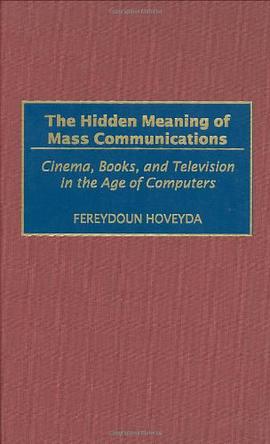
In 1917, the French poet Guillaume Apollinaire predicted the death of books in one or two centuries and their replacement by film and sound. In the early sixties, Marshall McLuhan proclaimed the end of the Gutenberg Galaxy. Neither of these predictions has yet happened. Nonetheless, the development of computer science and the spread of the Internet have already changed the landscape of the media and affected the fields of book publishing, journalism, cinema, and television. In his new book, Hoveyda, who was involved with cinema and literature for many years, scrutinizes the relationship between the different forms of media and art. Drawing on his varied experience as well as on his knowledge of the arts and media, he explains how cinema literally existed before literature or articulate language, and that all other forms of communication stem from this innate capability to think cinematically. Looking at the extraordinary technological developments in the fields of cinema, television, and communications, Hoveyda finds a hidden purpose behind them; a kind of common thread that illustrates and explains the quest of humans for communication. As far back as one can go, Hoveyda finds that humans were always preoccupied with the question of how to communicate what was going on in their minds. They tried--and found--ways of transmitting to one another the impressions and ideas churning in their heads. Prehistoric cave drawings, hieroglyphs, literature, and canvas paintings were and are part of such attempts. This progression of inventions seems to pursue a linear path toward externalization of their people's thoughts and dreams. The pinnacle of this externalization will be reached when it becomes automatic and foregoes the use of heavy equipment. Bunuel once told the author and his friends that he dreamt of the day when he would sit in a darkened room and project on a wall the film he was concocting in his head. This is exactly the goal of the technological progress we witness. Hoveyda's survey also includes a description of the evolution of modern cinema as he witnessed it; some new and revolutionary remarks about film appreciation and filmmaking; discussion of television and how it differs from cinema; and observations on the impact of media on one another as well as the influence of the more recent technologies on narration styles. A provocative account that will be of interest to scholars, researchers, students, and anyone involved with the development of communications.
作者简介
目录信息
读后感
用户评价
一直以来,我对那些能够揭示事物本质和深层运作机制的书籍情有独钟。当我看到《The Hidden Meaning of Mass Communications》这个书名时,我的内心就产生了一种强烈的共鸣。我深信,我们每天所接触到的海量信息,绝非只是简单的事实陈述或者娱乐内容,它们背后往往隐藏着更为复杂的设计和目的。我迫切地想知道,这本书会如何深入剖析这些大众传播媒介,例如电视、广播、报纸、互联网和社交媒体,是如何在我们不自知的情况下,塑造我们的价值观、世界观,甚至是我们对社会现实的认知。我期待它能揭示那些隐藏在广告、新闻报道、影视节目,乃至流行文化中的“隐藏意义”,以及它们是如何潜移默化地影响着我们的思维模式和行为方式。我希望通过阅读这本书,能够获得一种更强的批判性思维能力,能够更清晰地辨识信息的来源、意图和潜在影响,从而在信息洪流中保持清醒和独立。
评分我最近沉迷于探索那些能触及我们内心深处,却又隐藏在日常生活表象之下的主题。一本叫做《The Hidden Meaning of Mass Communications》的书,光是书名就足够吸引我了。我一直觉得,我们每天接触到的信息洪流,从电视到网络,再到社交媒体上的点滴,绝非仅仅是简单的信息传递。它们背后一定有更深层次的运作机制,更隐秘的意图,甚至是我们难以察觉的社会塑造力量。我尤其对那些能够剖析这些信息如何影响我们的思想、观念,甚至是我们对现实的感知的方式感到好奇。我希望这本书能带我深入了解这些“隐藏的意义”,让我不再仅仅是被动地接收信息,而是能够带着批判性的眼光去审视它们,去理解它们是如何在我们潜移默化中发挥作用的。那种感觉就像是打开了一扇通往更高维度的窗户,让我能够以一种全新的视角去观察和理解这个信息爆炸的时代。我期待它能揭示那些我们习以为常,却从未真正思考过的事物背后的逻辑。
评分最近在整理书架的时候,偶然翻到一本《The Hidden Meaning of Mass Communications》。书名本身就带着一种神秘感,让我立刻联想到那些隐藏在表面之下的深层含义。我一直觉得,我们每天接触到的各种信息,无论是新闻报道、广告宣传,还是社交媒体上的各种内容,都并非简单的信息碎片,它们背后往往有着精心设计的意图和深远的社会影响。我特别希望能在这本书中找到关于这些“隐藏意义”的解读,比如,它们是如何塑造我们的消费习惯、政治观点,甚至是我们的身份认同的。我脑海中浮现出各种可能性:也许它会深入探讨符号学在传播中的作用,分析各种视觉和语言符号是如何在潜移默化中传递特定信息的;又或者,它会剖析传播策略是如何利用人类的心理弱点,来达到传播的目的。我渴望从这本书中获得一种更深刻的洞察力,让我能够更好地理解这个信息时代,不再被动地接受,而是能够主动地去辨析和理解。
评分我一直对那些能够深入挖掘社会表象之下运作逻辑的书籍充满了兴趣。当我看到《The Hidden Meaning of Mass Communications》的书名时,立刻就被吸引住了。我总觉得,我们每天被各种各样的大众传播信息包围着,从新闻、广告到娱乐节目,这些信息绝不仅仅是简单的信息传递,它们背后一定有着更深层次的含义和目的。我希望这本书能够带我进入一个全新的视角,去理解这些信息是如何悄无声息地影响着我们的思想、观念,甚至是我们的社会结构。我设想,这本书可能会探讨传播者是如何利用各种技巧和策略,来塑造受众的认知,从而达到他们的目的。也许它会剖析一些经典的传播案例,揭示其中的“隐藏意义”,让我能够看到那些我们平时容易忽略的细节。我渴望从中获得一种能够辨别信息真伪、理解信息背后逻辑的能力,让我能够在这个信息爆炸的时代,不被轻易左右,保持独立的思考。
评分这本书的标题《The Hidden Meaning of Mass Communications》让我联想到了一系列关于权力、控制和意识形态的讨论。我一直对那些能够深刻影响大众认知和社会结构的力量感到着迷,而大众传播无疑是其中最重要的一环。我非常好奇这本书会如何解析这些传播媒介背后的“隐藏意义”。是关于商业利益的操纵?是关于政治宣传的渗透?还是关于文化价值观的潜移默化?我设想这本书可能会从历史的角度,梳理大众传播媒介的发展演变,以及它们在不同时代扮演的角色。同时,我也期待它能深入到传播理论的层面,探讨各种传播模型如何被用以塑造公众舆论,以及那些看似无害的信息背后,可能存在的更复杂的议程设置。我渴望理解,我们是如何被这些信息所引导,我们的行为和思想又是如何在不自知的情况下被塑造的。这本书,在我看来,提供了一个绝佳的机会,去探寻那些我们生活中无处不在,却又常常被忽视的强大力量。
评分 评分 评分 评分 评分