
具体描述
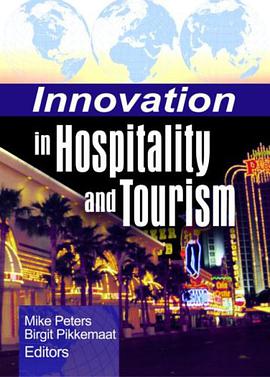
Get the latest research on new ways to measure innovation in the tourism value chain Until now, most available research on innovation in tourism product service and development has focused on concepts, rather than facts. Innovation in Hospitality and Tourism presents empirical studies that identify the major push and pull factors of innovation in hospitality and tourism, providing vital information on how to measure innovation in the control and sustainable management of new service development. This unique book examines the internal and external drivers of innovation in the market place, the difference between innovative firms and those that merely follow trends, and explanations and examples of innovations in special areas of the tourism value chain. With hospitality markets saturated and clients selecting services from all over the world, it's not enough to have an innovative idea for a new tourism product your idea has to have the potential to be successfully marketed. Innovation in Hospitality and Tourism looks at methods of measuring the market-based applications of new processes, products, and forms of organization, the economic impact of innovation, innovation as a bipolar process between market and resources, and forms of cooperation that can strengthen and reinforce innovation. The book's contributors analyze the relationship between welfare services and tourism in Denmark, the innovation potential throughout the tourism value chain from the supply side focus, innovation as a competitive advantage in Alpine tourism and in the small- and medium-sized hotel industry, tourism innovation statistics across products, providers, markets, and geopolitical regions, and a case study of AltiraSPA, a wellness concept of the ArabellaSheraton group. Innovation in Hospitality and Tourism examines: product development measuring innovation consumer-based measurement of innovation innovation processes in hotel chains innovation performances in hotel chains and independent hotels mobile business solutions for tourist destinations Internet portals in tourism analyzing innovation potential leadership and innovation processes welfare services and tourism as a driving force for innovation SERVQUAL as a tool for developing innovations and much moreInnovation in Hospitality and Tourism is an invaluable resource for academics, professionals, practitioners, and researchers working in the field of hospitality and tourism.
作者简介
目录信息
读后感
用户评价
读完此书,我感觉自己好像在读一本关于“人类体验的未来进化史”。作者的笔触非常灵动,擅长通过对比“过去与未来”的鲜明张力来推动论点。比如,书中对“传统礼宾服务”与“预测性AI助手”的对比描述,极其生动地展现了从“响应式服务”到“预见式服务”的范式转移。与其他同类书籍不同的是,这本书对“心理健康与旅游疗愈”领域的结合探讨显得尤为深入和人性化。它探讨了科技过度介入可能带来的“连接疲劳”,并提出了应对策略,强调了在高度自动化背景下,人类服务者所扮演的“情感锚点”的不可替代性。这种对技术力量的适度保留和对人性需求的精准把握,使得整本书读起来温暖而不失锐度,它不仅教会了我如何“做得更好”,更重要的是,它提醒我应该“为了谁而做”。
评分如果用一个词来形容这本书给我的感受,那就是“务实的激进”。它不惧怕挑战行业既有的陈规,但所有的建议都建立在对运营成本、投资回报率以及供应链弹性的现实考量之上。我对其中关于“共享住宿平台”的监管套利机制分析印象极其深刻,作者没有简单地谴责,而是剖析了驱动这种模式增长的底层经济逻辑,并为政府监管部门设计了一套“适应性治理框架”,这显示了作者极高的专业素养和解决实际问题的能力。书中对新兴市场的案例研究也十分到位,特别是东南亚和非洲地区旅游业的数字化转型路径,提供了与西方成熟市场截然不同的视角和可借鉴的经验教训。这本书的价值在于,它提供了一个既能让高层管理者制定战略蓝图,又能让一线工程师进行产品迭代的通用语言和分析工具集,跨越了管理与技术之间的鸿沟。
评分说实话,这本书的内容密度高到令人发指,我感觉自己像是在进行一次高强度的智力冲刺。它不像那些畅销的商业书籍那样,用大量鸡汤和空泛的口号来填充篇幅,而是充满了严谨的学术框架和细致的实证数据。作者对“体验经济”的界定和细分达到了前所未有的精确度,特别是对“情感价值创造”的量化模型分析,简直令人拍案叫绝。我花了整整一个下午才消化完关于“服务设计思维”那一章,书中提出的“从结果导向转向过程共创”的理念,彻底颠覆了我过去对客户满意度调查的理解。对我个人而言,最大的收获在于对“非物质资产”在旅游价值链中的权重评估。书中通过一系列复杂的回归分析,证明了文化IP和品牌叙事在提升溢价能力方面的作用已经超越了传统的基础设施投入,这种前沿的理论构建,对于那些还在依赖低价竞争的旅游目的地管理者来说,无疑是一次警醒。
评分翻开这本厚重的书,我立刻被一种扑面而来的、关于未来服务业的强大想象力所吸引。作者显然对传统酒店和旅游业的痛点有着深刻的洞察,但他并没有沉溺于抱怨现状,而是将大量的篇幅投入到对“颠覆性技术如何重塑体验经济”的探讨上。书中对人工智能、物联网在客户旅程中的具体应用场景进行了近乎科幻的描绘,比如沉浸式虚拟现实导览如何彻底取代传统旅行社,以及个性化定制的机器人管家如何实现“无感知服务”。特别是关于区块链技术如何解决旅游业中复杂的供应链信任问题那一章节,论述得尤为精辟,它不仅仅停留在理论层面,还引用了多个国际案例进行剖析,展示了技术落地过程中可能遇到的伦理困境与监管挑战。我尤其欣赏作者在探讨可持续发展时所采取的批判性视角,他没有盲目推崇“绿色洗白”,而是深入分析了生态友好型运营模式背后的经济驱动力和消费者行为心理学,这使得整本书的基调既高屋建瓴又脚踏实地,对于行业内寻求转型的决策者来说,无疑是一剂强心针。
评分这本书的叙事风格带着一股强烈的欧洲人文主义色彩,尽管主题聚焦于高科技和商业策略,但字里行间透露出对“人与空间互动”的深切关怀。它不仅仅是一本技术手册或管理指南,更像是一部关于未来人类居住和旅行哲学的宣言。我特别喜欢作者在描述服务失败与危机公关时所采用的文学化笔触,那种对“信任崩塌”瞬间的细腻捕捉,让我联想到了经典文学中的悲剧结构。书中对“数字游民”社群经济形态的分析极其深入,探讨了远程工作如何解构了传统酒店业的“住宿”概念,并提出了“生活即服务”的新范式。这种超越了短期盈利考量的宏大视角,让我对这个行业抱持了更多的敬畏。阅读过程中,我时常需要停下来,不是因为不懂,而是因为想让那些富有洞察力的句子在脑海中多停留一会儿,体会那种兼具学术严谨性与艺术美感的表达张力。
评分 评分 评分 评分 评分