
具体描述
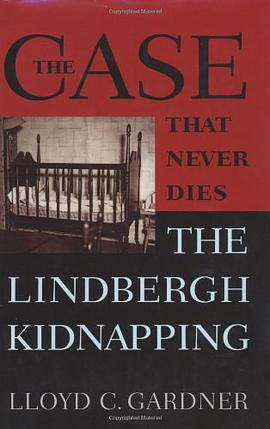
When Charles Lindbergh's baby son was mysteriously taken from his home near Hopewell, New Jersey, in 1932, the world was shocked. It happened during the worst period of the Great Depression, at a time when kidnapping neared epidemic proportions across the nation. Despite the overwhelming publicity the case received both at the time and in all the years since, many controversies surrounding the "Crime of the Century" and subsequent trial have never been resolved. The Case That Never Dies is a comprehensive study of the Lindbergh kidnapping, investigation, and trial, placing it in the context of the Depression, when many feared the country was on the edge of anarchy. Historian Lloyd C. Gardner delves deeply into aspects of the case that remain confusing to this day. These include Lindbergh's dealings with crime baron Owney Madden, Al Capone's New York counterpart, through gangland intermediaries, as well as the inexplicable exploits of John Condon, a retired schoolteacher who became the prosecution's chief witness. The initial investigation was hampered by Colonel Lindbergh, who insisted that the police not attempt to find the perpetrator because he feared the investigation would endanger his son's life. He relented only when the child was found dead. After two years of fruitless searching, a German immigrant, Bruno Richard Hauptmann, was discovered to have some of the ransom money in his possession. Hauptmann was arrested, tried, and sentenced to death. Throughout the book, Gardner pays special attention to the evidence of the case and how it was used and misused in the trial. Whether Hauptmann was guilty or not, Gardner concludes that there was most likely insufficient evidence toconvict him of first-degree murder. The Case That Never Dies draws upon never-before-used FBI records that reveal the animosity between J. Edgar Hoover and Norman Schwarzkopf, commander of the New Jersey State Police. The story is filled with incredible twists and turns that continue to fascinate people. Set in historical context, this book offers not only a compelling read, but a powerful vantage point from which to observe the United States in the 1930s, as well as contemporary arguments over capital punishment.
作者简介
目录信息
读后感
用户评价
说实话,这本书一开始读起来有点挑战性,因为它并没有直接把所有信息一股脑地抛给你,而是像一个精妙的解谜游戏,需要你投入时间和精力去拼凑线索。但一旦你适应了这种叙事风格,你会发现其中蕴含的巨大魅力。作者的文字功底非常扎实,充满了古典的韵味,但又不失现代的犀利。我特别欣赏他对环境和氛围的描绘,那些文字仿佛具有魔力,让我清晰地“看到”了故事发生的每一个场景,甚至能闻到空气中弥漫的气味。叙事视角时不时地切换,起初让人有些摸不着头脑,但随着阅读的深入,我开始明白这是为了从不同角度展示事件的复杂性,避免了单一视角的局限。它更像是一部需要细细品味的艺术品,而不是快餐式的消遣读物。读完后,我花了很长时间去回味那些留白的意境,思考那些未被明确点破的隐喻,这正是一部伟大作品的标志。
评分这部小说简直是引人入胜的杰作,我一翻开它就再也放不下了。作者构建的世界观宏大而又细致入微,每一个角落都充满了令人惊叹的想象力。故事的主线扣人心弦,悬念迭起,让人忍不住猜测接下来的发展。更让我佩服的是,角色塑造得极为立体和真实,他们的动机、挣扎和成长都让人感同身受。尤其是主角那份坚韧不拔的内在力量,以及他在面对巨大困境时所展现出的智慧和勇气,都深深地感染了我。我甚至觉得,我正在和他一起经历这场冒险,每一次转折都牵动着我的心弦。情节的推进节奏把握得恰到好处,张弛有度,既有高潮迭起的动作场面,也有让人深思的哲学探讨。看到最后,那种完成了一次史诗般旅程的满足感油然而生,真希望可以立刻再读一遍,去捕捉那些可能错过的细节。这本书的阅读体验是无与伦比的,强烈推荐给所有热爱深度叙事和复杂人物描写的读者。
评分从纯粹的故事节奏和结构来看,这本书简直是教科书级别的典范。高潮部分的设计堪称一绝,作者似乎深谙如何积蓄张力,然后在最意想不到的时刻引爆,那种震撼是发自内心的。我发现自己不由自主地屏住呼吸,手心冒汗,完全沉浸在那个紧张的瞬间里。更难得的是,即便在最激烈的冲突中,作者也没有牺牲逻辑性,每一个角色的反应都基于其前文建立起来的性格和背景,非常严谨。相比于那些为了制造震撼而刻意为之的“反转”,这里的每一次转折都感觉像是必然发生的结果,是命运齿轮精确咬合的声音。这种将复杂情节安排得井井有条的能力,体现了作者非凡的掌控力。它证明了好故事不一定需要天马行空的奇遇,只需要对人性和情境的精准把握。
评分我对这本书的感情有些复杂,因为它成功地颠覆了我对传统叙事模式的固有认知。它不是那种传统的英雄史诗或简单的善恶对决。相反,它展现了人性的多面和世界的模糊性。书中的反派角色塑造得尤其出色,他们并非脸谱化的恶人,而是有着自己清晰逻辑和可悲过往的个体,他们的行为让人既痛恨又隐隐感到一丝理解,这种复杂的共鸣感是很少见的。这种模糊性,让整个阅读过程充满了智力上的挑战,你不能轻易地站队,必须不断地修正你对“谁对谁错”的判断。这种哲学层面的交锋,比任何一场武力冲突都来得更扣人心弦。这本书迫使我跳出舒适区,去拥抱那些不那么舒服但却更接近真实世界的观点。这是一次思想上的洗礼。
评分我必须得承认,这本书的后劲儿太大了。通常看完一部小说,我的感觉就像是看完一场精彩的电影,结束后就慢慢淡忘了,但这本书不同。它在我脑海里留下了一道深刻的印记,里面探讨的主题,比如信任的本质、道德的灰色地带,以及个体在庞大体制面前的无力感,都让我夜不能寐。这些思考并没有被故事的表面情节所掩盖,反而被巧妙地编织到了每一次对话和每一个关键决定之中。我尤其喜欢作者对“真相”这个概念的处理——它不是一个固定的实体,而是一个不断变化的、受观察者影响的产物。这种深刻的洞察力,让整部作品的格局瞬间拔高。我甚至开始反思我自己的生活和判断,这本书的价值已经超越了纯粹的娱乐范畴,它在某种程度上,成了一面映照现实的镜子。
评分 评分 评分 评分 评分