
具体描述
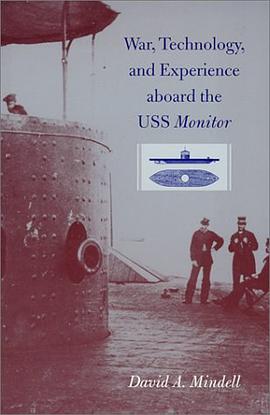
In a familiar story, the USS Monitor battled the CSS Virginia (the armored and refitted USS Merrimack) at Hampton Roads in March of 1862. In War, Technology, and Experience aboard the USS Monitor, David A. Mindell adds a new perspective to the story as he explores how mariners-fighting "blindly" below the waterline-lived and coped with the metal monster they called the "iron coffin." Mindell shows how the iron warship emerged as an idea and became practicable, how building it drew upon and forced changes in contemporary manufacturing technology, and how the vessel captured the nineteenth-century American popular and literary imaginations. Combining technical, personal, administrative, and literary analysis, Mindell examines the experience of the men aboard the Monitor and their reactions to the thrills and dangers that accompanied the new machine. The invention surrounded men with iron and threatened their heroism, their self-image as warriors, even their lives. Mindell also examines responses to this strange new warship by Nathaniel Hawthorne and Herman Melville, who prophetically saw in the Civil War a portent of the mechanized warfare of the future. The story of the Monitor shows how technology changes not only the tools but also the very experience of combat, generating effects that are still felt today in the era of "smart bombs" and pushbutton wars. "We find new significance in the otherwise well-known history of the Monitor. It is no longer the story of the heroic inventor and his impenetrable weapon thrusting themselves upon a doubtful and conservative bureaucracy...It is no longer the story of a heroic battle and the machine's epic loss soon after. Rather it is a story of people experiencing new machinery, attempting to make sense of its thrills, constrictions, and politics, and sensing its power and impotence-both in glory and frustration."-from War, Technology, and Experience aboard the USS Monitor
作者简介
目录信息
读后感
用户评价
这本书的封面设计简直是一场视觉的盛宴,那种深邃的蓝色调配上古老的船体剪影,一下子就把人拉回到了那个硝烟弥漫的时代。我原本以为这会是一本纯粹的学术著作,枯燥地堆砌着技术细节和历史文献,但翻开第一页我就意识到自己错了。作者的叙事功力实在高超,他没有急于展示那些冷冰冰的钢筋铁骨,而是选择从船员们的日常视角切入。那种在狭窄、闷热的舰舱内,与钢铁和蒸汽为伴的生活图景,被描绘得淋漓尽致。你能感受到那种与世隔绝的孤独感,以及身处一个移动堡垒之中的奇异体验。书里对当时海军日常用语和船员间交流方式的细致捕捉,让人仿佛能听到甲板上传来的粗犷呼喊声。它成功地将“技术”这个冰冷的词汇,注入了人性化的温度,让我对那段历史有了更深层次的、基于情感的理解。这种细腻的处理,远远超出了我对一本关于“技术”的史学著作的预期。
评分最后的章节处理得尤为精妙,它将焦点从战舰本身转移到了“技术遗产”上。作者并没有草草收尾,而是花了大量的篇幅去追踪“蒙特号”的设计理念和工程实践如何潜移默化地影响了后世的造船工业乃至更广阔的工程领域。这种“蝴蝶效应”式的追溯,展现了作者对历史脉络的深刻洞察力。他让我们看到,即便是那些最终沉没或被淘汰的伟大设计,其留下的“经验教训”和“技术基因”也从未真正消失。这种对失败和成功的全景式扫描,提供了一种超越时代的启示:真正的创新,永远是在前人的探索与挫折之上建立起来的。读完后,我合上书本,心中充满了对那些默默无闻的工程师和水手的敬意,正是他们的“经验”,铸就了后来的时代。
评分关于那场决定性的海战描写,简直是教科书级别的节奏掌控。作者仿佛是一位身经百战的指挥官,他的笔触精准而有力,每一次炮火的准备、每一次船体的颠簸,都如同电影慢镜头般清晰地呈现在读者眼前。我特别欣赏他对于“效率”与“混乱”之间微妙平衡的探讨。在那种极端的压力下,即便是最先进的技术装备,也需要人的意志和临场反应来驱动。书中引用了大量来自不同岗位的日志片段,这些片段如同散落的珍珠,被作者巧妙地串联起来,展现了“技术”在实际应用中如何被操作、被误解,甚至是被恐惧所扭曲。读到那些关于火控系统的早期问题和蒸汽机故障的描述时,我能真切地体会到,在那个年代,每一秒的延迟都可能意味着生与死的抉择。这种对实战细节的毫不含糊的处理,极大地提升了阅读的沉浸感和历史的真实性。
评分本书最让我眼前一亮的是它对“技术伦理”的探讨。它没有简单地将“蒙特号”视为一个军事奇迹,而是将其置于更宏大的社会变革背景下进行审视。作者旁征博引,对比了不同国家在发展这一革命性战舰时所面临的政治压力、工业瓶颈以及公众认知。他深入挖掘了设计者们在面对未知领域时所承担的巨大心理负担,以及这种“颠覆性技术”对既有军事战略和国际关系产生的深远影响。读到其中关于“铁甲舰时代”开端对传统木制帆船时代终结的论述时,我感到一种历史的宿命感。这种超越技术本身,直指其社会意义的分析角度,让这本书的格局一下子打开了,不再局限于一艘船的故事,而是关于人类创新与自我毁灭倾向的永恒辩证。
评分文笔的流畅性和学术的严谨性在这本书中达到了惊人的和谐。我通常害怕历史专著中那些冗长的脚注和艰涩的术语,但在这里,作者似乎拥有一种魔力,能将复杂的工程学原理转化为普通人可以理解的生动比喻。比如,他对液压系统运作原理的解释,就借用了日常生活中常见的压力锅的比喻,既准确又不失趣味性。再者,他对史料的取舍极为考究,很少有为了凑字数而塞入的冗余信息,每一章的推进都紧密围绕着核心主题展开。这使得阅读过程非常高效且令人愉悦,我几乎没有遇到需要停下来查阅背景资料才能继续理解的地方。对于追求深度信息但又厌倦了晦涩表达的读者来说,这本书提供了一种近乎完美的阅读体验。
评分 评分 评分 评分 评分