
具体描述
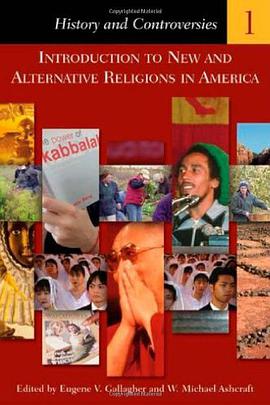
Most new or alternative religions are gravely misunderstood by members of the religious mainstream. Labeled "cults" or "sects," groups and their members are often ridiculed or otherwise disregarded as weird and potentially dangerous by the populace at large. Despite their efforts at educating the general public, the various anti- and counter-cult activists have in fact promoted much more misunderstanding than accurate understanding of the religious lives of some of their fellow citizens. Consequently, they have helped to create a very hostile environment for anyone whose religious practices do not fit within a so-called "mainstream." This set rectifies the situation by presenting accurate, comprehensive, authoritative and accessible accounts of various new and alternative religious movements that have been and are active in American society, and it addresses ways of understanding new and alternative religions within a broader context. Determining what actually constitutes a new or alternative religion is a subject of constant debate. Questions arise as to a new faith's legitimacy, beliefs, methods of conversion, and other facets of a religious movement's viability and place in a given culture. How a religion gains recognition by the mainstream, which often labels such new movements as cults, is fraught with difficulty, tension, and fear. Here, experts delineate the boundaries and examine the various groups, beliefs, movements, and other issues related to new faiths and alternative beliefs. Readers will come away with a fuller understanding of the religious landscape in America today. Volume 1: "History and Controversies" discusses the foundations of new and alternative religions in the United States and addresses the controversies that surround them. This volume helps readers better understand what makes a new or alternative belief system a religion and the issues involved. Volume 2: "Jewish and Christian Traditions" explores the various new religions that have grown out of these two Abrahamic faiths. Groups such as the Shakers, the People's Temple, the Branch Davidians, Jehovah's Witnesses, and others are examined. Volume 3: "Metaphysical, New Age, and Neopagan Movements" looks at Shamanism, Spiritualism, Wicca, and Paganism, among other movements, as they have developed and grown in the U.S. These faiths have found new and devoted followers yet are often misunderstood. Volume 4: "Asian Traditions" focuses on those new and alternative religions that have been inspired by Asian religious traditions. From Baha'i to Soka Gakkai, from Adidam to the Vedanta Society, contributors look at a full range of groups practicing and worshiping in the U.S. today. Volume 5: "African Diaspora Traditions and Other American Innovations" examines the various traditions linked to the African diaspora. Chapters include: Shamanism; Wicca; Black Israelites; Santeria; Scientology; Elan Vital; Hare Krishna; Soka Gakkai; and many more.
作者简介
目录信息
读后感
用户评价
这本书的叙述风格,老实说,初看之下略显学术化和信息密度过大,但一旦适应了那种严谨的学院派语调,你会发现其内容组织极其精妙。它并非那种读起来轻松愉快的“故事集”,更像是一本扎实的参考手册,但其中穿插的案例分析却极具穿透力。我印象最深的是它对“摩门教”(LDS Church)在发展初期与主流社会冲突的论述,以及后期如何通过组织化、主流化策略成功在美国西部的社会版图中扎根的过程,这种“适应性演化”的分析,几乎可以套用到其他新兴教派的生命周期研究中去。书中还对“撒旦教”(Satanism)的两个主要流派——路西法派和理性撒旦教——进行了清晰的区分和对比,指出后者的兴起更多地是作为一种对僵化宗教道德的反叛和个人主义的极致表达,而非真的相信超自然实体。这种对微妙教义差异的捕捉,使得整本书的论述显得非常立体可靠。唯一美中不足的是,对于一些更小众、更分散的群体,如特定形式的Wicca或本土美国原住民的精神复兴运动,探讨深度略有不足,似乎篇幅分配上更侧重于那些在美国经历过重大媒体曝光或法律纠纷的教派。但总体而言,它为任何想要深入了解美国精神版图的人,提供了一个极为坚实的基础框架。
评分我以一个对宗教人类学有兴趣的普通读者的角度来看,这本书给我最大的震撼在于其对“美国性”(American-ness)的重新定义。它有力地论证了美国文化对“自由结社”和“信仰自由”的极致追求,是如何无意中创造了一个极其肥沃的土壤,让各种奇形怪状的信仰体系得以萌芽、生长,甚至在某些时候挑战既有的社会规范。书中对“邪教”(Cult)这一标签的解构尤为精彩,作者没有简单地谴责,而是详细分析了媒体、政府和前教徒如何共同构建并固化了这个具有强烈负面含义的术语。例如,通过对比对待“早期基督教会”和“新兴教派”的双重标准,来揭示社会权力结构对宗教合法性的定义权。这种批判性的视角,让我对过去一些固有的偏见产生了动摇。此外,书中对互联网时代初期,新兴宗教如何利用新兴媒体进行招募和信息传播的观察,也展现出其前瞻性,尽管这本书成书于互联网爆炸前夕,但其对信息传播规律的把握是相当敏锐的。它成功地将神学探讨置于社会权力、媒体构建与个人心理需求的交叉点上进行审视。
评分这本名为《美国新兴与替代宗教概览》的书籍,给我的感觉就像是走进了一个充满异域色彩和多元信仰的迷宫。作者显然下了很大功夫梳理了自上世纪中叶以来在美国土壤上兴起的各种新兴宗教运动(NRMs)。我尤其欣赏它没有采取简单的“正统与异端”的二元对立视角,而是试图用社会学和人类学的框架去理解这些群体。书中详尽地描述了“统一教”、“科学教派”乃至各种新异教运动(Paganism)的起源、教义核心以及它们在美国社会中经历的争议与适应过程。比如,它对“人民圣殿教”(Peoples Temple)在圭亚那悲剧发生前,其在美国本土运作模式的剖析,就非常细致入微,着重探讨了其早期的社会服务工作与后期的极端控制之间的张力。此外,书籍在探讨新纪元运动(New Age)时,也没有流于表面的元素罗列,而是深入挖掘了其对美国世俗文化中精神性需求的填补作用,以及这种精神追求如何与消费主义文化巧妙地结合。阅读过程中,我常常需要停下来思考,这些看似边缘的信仰实践,实际上是当代美国社会结构性焦虑和身份重塑过程的清晰投射。这本书的价值在于,它提供了一个观察美国文化韧性与分裂的独特窗口,让我们得以窥见信仰在快速变迁的现代社会中如何不断自我革新和变异。
评分读完这本书,我感觉自己好像完成了一次穿越美国精神历史的“极限挑战”。它的叙事线索非常复杂,因为它必须同时追踪许多条看似不相关的脉络——从早期的唯灵论、超验主义,如何逐步演化为现代的各类替代疗法和灵性实践。这本书的语言风格非常克制,仿佛一位经验丰富的导游,在带领你穿过一片遍布陷阱的雷区,每一步都需要精确的定义和谨慎的措辞,生怕稍有不慎就会踏入偏颇的泥潭。其中关于“另类疗法”与“信仰治愈”交叉地带的分析,令我印象深刻,它揭示了在医疗体系存在不足的社区中,替代性信仰体系如何提供了情感慰藉和虚假的希望。最值得称赞的是,作者对于宗教如何反映经济阶层和地域差异的探讨,比如一些注重物质丰盛的教派为何在特定的中产阶级社区中更容易获得追随者,而另一些强调“脱离世俗”的运动则倾向于吸引那些在主流社会遭受挫折的边缘群体。这种社会经济基础与精神追求的联动分析,使得全书的格局一下子提升了,不再仅仅是停留在教义本身。
评分这本书的结构安排堪称教科书级别,它没有简单地按时间顺序排列,而是采用了主题驱动的方式,将那些在教义上看似风马牛不相及的群体,放在同一个社会功能框架下进行比较分析。例如,它会把处理“末日预言”的团体与处理“个人启蒙”的团体放在一起讨论,探讨它们应对现代社会不确定性的不同心理机制。我个人对书中对美国历史上“反主流文化运动”(Counterculture Movement)中涌现出的灵性实验的梳理特别感兴趣,它清晰地展示了1960年代那种对既有体制的集体性反叛,是如何催生了后来大量具有强烈“反结构”特质的信仰团体。作者在分析这些团体的“内爆”或“转型”时,用词非常精准,强调了“创始人魅力衰减”和“组织制度化”是大多数新兴宗教无法逾越的两道坎。这本书的阅读体验是高强度的知识输入,需要读者具备一定的社会学和宗教史背景知识才能完全领会其深意。对于想要撰写相关论文的研究生来说,它无疑是一部不可多得的奠基性文献,提供了大量可供深入挖掘的细分议题。
评分 评分 评分 评分 评分