
具体描述
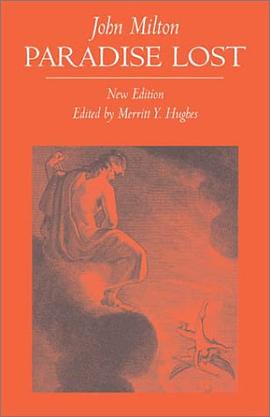
Since its publication by Odyssey Press in 1935, Hughes' richly annotated edition -- revised in 1962 -- remains the preferred text of many instructors.
John Milton’s Paradise Lost is a monumental epic poem that plunges into the profound tragedy of human fall and divine justice. Written in the early 17th century, it recounts the biblical narrative of Lucifer’s rebellion against God, his expulsion from Heaven, and the consequent loss of paradise for both angels and humanity. Milton crafts a sweeping tale filled with celestial battles, dramatic infernos, and profound spiritual struggle, blending classical epic traditions with intense theological inquiry. The poem centers on key figures such as Adam and Eve, whose innocence is shattered by temptation and knowledge’s dual burden—gift and curse. Through vivid imagery and complex verse, Milton explores themes of free will, pride, obedience, and redemption. The narrative unfolds across multiple realms: Heaven’s serene yet distant grandeur, the desolate hellscape below, and the earth caught between fall and hope. Characters wrestle with moral choices under divine scrutiny, their actions shaped by internal conflict and external pressure from fallen and celestial forces alike. Milton employs a rich language marked by grand metaphors, elaborate similes drawn from nature and classical mythology, and intricate syntax that mirrors the epic’s weighty subject. The poem balances theatricality with philosophical depth, inviting readers to ponder not only the story but the nature of God’s justice, human dignity, and the cost of disobedience. Though rooted in religious scripture, Paradise Lost transcends dogma, offering a timeless meditation on loss, sacrifice, and the enduring quest for meaning beyond sin. The structure is divided into twelve books, each unfolding a layer of the tragedy—from Lucifer’s defiant gaze to Eve’s hesitant choice in the Garden, to Adam’s struggle with guilt and revelation. Milton’s use of blank verse gives the work its commanding rhythm, allowing emotional intensity to rise and fall like storm clouds over the fallen world. The poem’s language blends elevated diction with intimate introspection, making divine drama feel immediate and personal. Beyond its literary mastery, Paradise Lost resonates as a cultural touchstone—shaping English poetry, inspiring generations of writers, and framing debates on faith, freedom, and the human spirit. Milton’s vision remains vivid: paradise lost is not merely a place gone but a state irrevocably changed, haunting readers with its beauty and sorrow. The enduring power lies in its ability to render cosmic loss through human eyes—raw, questioning, yet searching. In this way, Milton’s masterpiece endures as both epic tale and eternal reflection on what it means to be lost—and to strive toward light again.
作者简介
目录信息
读后感
评分
评分
评分
评分
评分
用户评价
评分
评分
评分
评分
评分