
具体描述
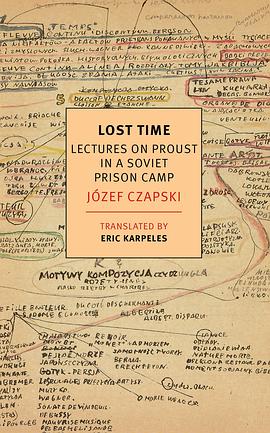
The first translation of painter and writer Józef Czapski's inspiring lectures on Proust, first delivered in a prison camp in the Soviet Union during World War II.
During the Second World War, as a prisoner of war in a Soviet camp, and with nothing but memory to go on, the Polish artist and soldier Józef Czapski brought Marcel Proust’s In Search of Lost Time to life for an audience of prison inmates. In a series of lectures, Czapski described the arc and import of Proust’s masterpiece, sketched major and minor characters in striking detail, and movingly evoked the work’s originality, depth, and beauty. Eric Karpeles has translated this brilliant and altogether unparalleled feat of the critical imagination into English for the first time, and in a thoughtful introduction he brings out how, in reckoning with Proust’s great meditation on memory, Czapski helped his fellow officers to remember that there was a world apart from the world of the camp. Proust had staked the art of the novelist against the losses of a lifetime and the imminence of death. Recalling that triumphant wager, unfolding, like Sheherazade, the intricacies of Proust’s world night after night, Czapski showed to men at the end of their tether that the past remained present and there was a future in which to hope.
作者简介
Józef Czapski (1896–1993) was a writer and artist, as well as an officer in the Polish army. In 1918, he enrolled in the Warsaw School of Fine Arts, but shortly thereafter he suspended his studies in order to travel to Russia at the request of military authorities to search for officers in his division who had disappeared in action. At the end of the Russian Civil War, he went back to his studies, this time at Kraków’s Academy of Fine Arts, and soon relocated to Paris with some fellow students, thus founding the Komitet Paryski (Paris Committee), later known as the Kapist movement. Czapski was drafted into the army at the beginning of World War II, soon after landing in a Soviet prisoner-of-war camp. Once free, he was assigned to investigate another disappearance of officers, who he would discover were victims of the Katyn Massacre, the subject of Inhuman Land. Czapski spent the rest of his years painting and writing.
Eric Karpeles, painter, writer and translator, is the author of Almost Nothing: The 20th Century Art and Life of Józef Czapski. His comprehensive guide, Paintings in Proust, considers the intersection of literary and visual aesthetics in the work of the great French novelist. He has written about the paintings of poet Elizabeth Bishop and about the end of life as seen through the works of Emily Dickinson, Gustav Mahler and Mark Rothko. Painter of the Sanctuary and the Mary and Laurance Rockefeller Chapel, he has also translated Lorenza Foschini's Proust's Overcoat. He lives in Northern California.
目录信息
读后感
用户评价
这本书的叙事节奏掌握得非常到位,仿佛作者是一位技艺精湛的指挥家,精准地调动着每一个情节的高低起伏。故事的主线清晰却不失复杂性,它没有急于将所有的谜团抛出,而是像剥洋葱一样,一层层地揭开内里的奥秘。特别是对人物内心世界的刻画,细腻得令人心惊,那些主角在关键时刻的犹豫、挣扎与最终的抉择,都显得那么真实可信,让人忍不住想代入其中,体会那种身临其境的煎熬与释然。我特别欣赏作者对环境氛围的营造,那些场景描摹,无论是灯光昏暗的书房,还是熙熙攘攘的街道,都充满了强烈的画面感,仿佛我能闻到空气中的尘土味,听到远处传来的喧嚣声。更妙的是,某些看似不经意的对话,在后续的情节发展中竟然起到了至关重要的作用,这显示出作者布局的深远和严谨,绝非信手拈来之作。读完之后,脑海中留下的不仅仅是故事的梗概,更是一种挥之不去的情绪,一种对时间流逝、对选择重要性的深刻反思。这种高质量的阅读体验,实属难得,绝对值得反复品味。
评分我很少读到能够将悬念的设置与情感的铺陈结合得如此完美的作品。它不是那种靠廉价的惊悚桥段来抓人眼球的类型,它的张力是内敛的、逐步积累的。每一章的结尾都像是一把小小的钩子,紧紧地钩住你,让你不得不翻到下一页。但这种钩住并非强迫,而是源于对角色命运的深切关怀。作者对于“失落”和“寻找”这个主题的把握炉火纯青,无论是寻找失散的亲人、失落的记忆,还是仅仅是寻找一个安放自我的位置,那种永恒的追寻感贯穿始终,令人动容。配角的塑造也极为成功,他们绝非推动情节的工具人,而是拥有自己完整世界观和挣扎的个体,他们的出现,丰富了主线的层次感和真实性。这本书的魅力在于,它让你在阅读过程中不断地产生新的假设,然后又看着这些假设被巧妙地推翻或证实,最终得出一个比你最初预想的更加复杂和令人信服的结论。这是一部需要静下心来,细细品味其韵味的上乘之作。
评分说实话,我一开始是被它那大胆的结构所吸引的,它完全打破了我对传统线性叙事的固有认知。作者似乎故意将时间线打散,然后用一种近乎诗意却又极具逻辑性的方式重新编织起来。这要求读者必须全神贯注,稍有走神,可能就会在错综复杂的时间碎片中迷失方向。但这挑战性正是它魅力所在,每一次成功地将一个散落的片段与另一个片段联系起来时,都会产生一种豁然开朗的巨大满足感,那种感觉比解开一个复杂的数学难题还要过瘾。而且,这本书的语言风格变化多端,时而冷静客观,如同历史记录,时而又变得极富抒情色彩,充满了哲学的思辨。这种语言上的张力,让阅读过程充满了新鲜感,避免了任何可能出现的单调乏味。我倾向于认为,这是一部需要“二刷”甚至“三刷”才能真正领略其全貌的作品,因为初次阅读时,你可能忙于追逐情节本身,而忽略了隐藏在文字背后的那些微妙的象征和重复出现的主题,那些才是构建整个世界观的真正骨架。
评分我得承认,一开始读进去有点费劲,因为它似乎并不迎合大众的阅读习惯,它要求你付出专注力。但一旦你适应了作者设定的节奏和视角转换,那种回报是巨大的。这本书的思考深度远超一般的小说,它探讨的主题非常宏大,涉及到记忆的不可靠性、历史的重塑,以及个体在巨大时间洪流面前的渺小与挣扎。作者的文字功力令人佩服,他能用极其凝练的语言,勾勒出极其复杂的情感状态和哲学命题,读来毫不拖沓,却又字字珠玑。我尤其欣赏他对象征手法的运用,那些反复出现的物件或场景,每一次出现都有新的含义被赋予,仿佛它们本身就是故事的另一位沉默的叙述者。总的来说,这更像是一次智力上的探险,而不是单纯的消遣,它挑战了读者的理解能力,迫使我们去审视自己对“真实”的定义。阅读结束时,感觉自己的思维都被重新梳理了一遍,这绝对是一次高价值的阅读投资。
评分这本书的精妙之处,在于它如何处理“缺席”和“存在”的关系。很多重要的信息并非直接呈现,而是通过角色的回忆、旁人的只言片语,甚至是那些被刻意忽略掉的细节中体现出来。作者非常擅长运用“留白”,给予读者足够的空间去填补空白,去推测那些未被言明的真相。我发现自己常常停下来,盯着某一段文字思考,这个人物此刻的内心到底在想些什么?他为什么要用这种迂回的方式来表达?这种主动参与叙事建构的过程,极大地增强了阅读的沉浸感。角色塑造方面,没有绝对的善恶之分,每个人都有其灰色地带,他们的动机复杂而微妙,充满了人性的矛盾性。我尤其喜欢作者对场景切换的处理,常常在两个看似不相关的场景之间突然跳转,却在结尾处巧妙地揭示出它们之间存在着某种深刻的、隐秘的关联。这种精妙的结构设计,让整本书读起来像是一部结构严谨的交响乐,每一个乐章都有其存在的意义和功能。
评分有几个观点颇让人觉得新鲜,1.所有的主题都在第一卷中已经出现。因为只有第一卷是被proust多次修订且生前出版。2.开篇的那个吻决定了作者所有后面的一切感受。幸福的突然,和对幸福的不断回忆。3.作者对爱情易逝,名利易逝的精确描写。4.全书最后一卷是最先写好的。所以,最后一卷是全书的关键。记得周克希先生也说过,第七卷实际上是对全书的揭秘。可惜他老人家没有重译啊。
评分有几个观点颇让人觉得新鲜,1.所有的主题都在第一卷中已经出现。因为只有第一卷是被proust多次修订且生前出版。2.开篇的那个吻决定了作者所有后面的一切感受。幸福的突然,和对幸福的不断回忆。3.作者对爱情易逝,名利易逝的精确描写。4.全书最后一卷是最先写好的。所以,最后一卷是全书的关键。记得周克希先生也说过,第七卷实际上是对全书的揭秘。可惜他老人家没有重译啊。
评分有几个观点颇让人觉得新鲜,1.所有的主题都在第一卷中已经出现。因为只有第一卷是被proust多次修订且生前出版。2.开篇的那个吻决定了作者所有后面的一切感受。幸福的突然,和对幸福的不断回忆。3.作者对爱情易逝,名利易逝的精确描写。4.全书最后一卷是最先写好的。所以,最后一卷是全书的关键。记得周克希先生也说过,第七卷实际上是对全书的揭秘。可惜他老人家没有重译啊。
评分随笔故事。
评分随笔故事。