
具体描述
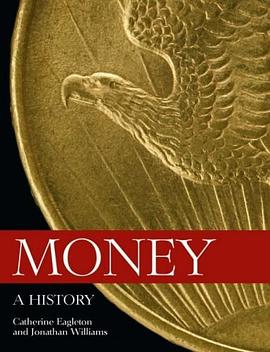
A colorful history of coins and currency from their very beginnings.
Money tells the story of coins and paper money from ancient to modern times. The book is an exciting collaboration by curators at the British Museum, home to one of the world's finest numismatic collections. Profusely illustrated with 545 color and archival images, Money traces the use of monetary exchange from a primitive barter system to the online, cashless systems operating today.
Money examines its subject with authority and imagination, covering its history through the ages and across the world:
Ancient Mesopotamia, Greece and Egypt
The Roman world
Medieval Europe
Islamic lands
India and Southeast Asia
China and the Far East
Africa and Oceania
The early modern period and the modern period.
Including modern developments, such as the introduction of the Euro and e-money, Money is an up-to-date, lively and thought provoking introduction to the subject. It will be of interest to history buffs, economists, bankers and general readers. The beautiful photographs are a fine resource for collectors.
An untold number of books have chronicled--and even pictured--the history of money. These range from scholarly economic treatises to lavishly illustrated works to John Kenneth Galbraith's sweeping Money: Whence It Came, Where It Went (1975). This new look at the growth and development of ancient monetary systems and the origins of coinage occupies a niche somewhere in between. Williams is a curator in the Department of Coins and Medals at the British Museum and a specialist in Roman and Iron Age coins. In the context of today's increasingly "cashless society," this is a fascinating survey of the roles played by various cultures in the concept and evolution of money and exchange. Williams traces the rise and diversity of various mediums of exchange and coinage in Mesopotamia, ancient Greece and Egypt, the Roman world, medieval Europe, Islamic lands, and Asia, Africa, and Oceania. The text is superbly enhanced by more than 500 illustrations, more than 200 of which will be in color.
From simple exchange systems in earliest times to the increasingly cashless society of our own day, this fascinating book presents an accessible and authoritative introduction to the history of money. With the aid of over 500 illustrations, it explores the origins, spread and especially the cultural diversity of monetary exchange throughout the world, viewed against a broader economic and social background. The book begins by tracing the growth and development of monetary systems, from the ancient civilisations of Mesopotamia and Egypt to the establishment of coinage in the Greek and Roman world. The next chapters develop a broader world view, exploring the monetary systems of Europe during the Middle Ages, the Islamic world, India and China. In the final part of the book, the focus is on the processes by which money has become a global phenomenon, with chapters looking at the expanding role of money in early modern Europe and the Americas and the introduction of paper money and banking, the effect of European contacts on the local payment systems of Africa and Oceania, and concluding with an examination of the increasing impact of economic thought on monetary affairs.
作者简介
Written by a team of specialist curators from the British Museum, this classic book is updated to take account of recent developments such as the introduction of the euro and e-money, and includes approximately 40 new illustrations.
目录信息
读后感
在这部讲述货币史的作品《钱的历史》里,远及人类所知最早的支付记录,近到当今的无现钞货币。它带我们穿越历史长河,看到人类对货币的态度随着货币形态和功能的演变是如何变化的,让我们理解“货币的真实历史其实不在统计数字和货币学中,而是在人们的态度与行为中”。 人人...
评分一部图文并茂的钱币史,纵贯古今,精彩纷呈。 《钱》描述了从古到今的硬币和纸币史,由大英博物馆的诸位馆长精心合作完成,该馆是世界上最优秀的钱币收藏馆之一。与545副珍贵历史彩图相得益彰,《钱》展现了从古老的物物交易到现代的在线电子货币系统的发展历程。 《钱》权威翔...
评分发起战争要求铸造货币和建立货币制度,战争要动员的人力物力太过庞大。铸币时代的货币贬值和通货膨胀就是通过减少贵金属含量,说白了就是掺假。生产和消费发达时造不出相应价值的贵金属货币也是相当困扰的。这时出现了假币,其实假币还能促进经济发展,官方不就是权威的假币铸...
评分装帧如此精美,还是大英博物馆出品,自然忍不住翻一翻,结果大跌眼镜,这个译者完全是二把刀,对钱币学一窍不通,胡乱翻译,对读者极不尊重!现在摘录几个如下。 1 撒撒尼国王???kidding me???译者身为博士居然不知道萨珊帝国(Sasanian Empire),如果你是文科,萨珊帝国应...
评分当初,5折,50元买来,打开一看的时候真他妈开心坏了,,竟然全彩页,500百多幅关于钱的图。再看看书的整体内容框架,也觉得挺靠谱。心想,不愧是大英博物馆出的啊。 再看看前言,觉得还挺新颖啊,不从经济学,也不从人类学的角度,而是从历史学的角度来描述钱的历史。他说,货...
用户评价
读完这本书,我感觉自己像是经历了一场关于“信任”的深度冥想。作者高明之处在于,他没有把钱仅仅看作是一种交换媒介,而是将其视为一种社会契约的物化体现。书中对中世纪欧洲行会制度下货币使用的分析尤为精彩,它展示了在缺乏中央权威的时代,地方性的商业惯例和口头承诺如何支撑起复杂的贸易网络。特别是关于“复式记账法”的演变,作者将其提升到了哲学层面——这种记账方式不仅是技术的进步,更是人类对时间、未来义务和责任感进行精确量化的能力飞跃。书中对早期银行家阶层的刻画,也颠覆了我以往的刻板印象,他们并非只是冷酷的放贷人,而是在权力真空地带扮演着不稳定因素的调和者。我特别喜欢作者在描述威尼斯和佛罗伦萨的金融创新时所流露出的赞叹,那种将艺术家的激情融入到商业逻辑中的描述方式,让金融史读起来充满了人性的温度和历史的厚重感。
评分这本书的叙事节奏简直像是穿越了时空的旅行,作者以一种近乎史诗般的笔触,勾勒出了人类社会中“价值”这个抽象概念是如何一步步具象化、制度化的过程。我尤其欣赏他对早期物物交换体系瓦解后,金属货币兴起的细致描摹,那不仅仅是关于冶炼技术和稀有性的讨论,更是对部落间信任机制重塑的深刻洞察。比如,书中对古巴比伦泥板契约的分析,揭示了债务观念是如何先于成熟的货币体系而存在的,这为理解现代金融的根基提供了全新的视角。作者没有陷入纯粹的经济学模型,而是将经济史融入了社会变迁、权力结构乃至宗教信仰的宏大叙事中。阅读过程中,我多次停下来,反复揣摩那些关于“铸币权”的争夺如何塑造了早期王国的兴衰,那种将经济力量与政治合法性紧密捆绑的论述,至今仍让人感到震撼。整本书的行文流畅又不失严谨,它成功地将原本枯燥的经济史,变成了一部关于人类集体想象力与协作能力的精彩编年史。
评分这部作品的视角非常新颖,它很大程度上摆脱了传统经济史中以西方为中心的叙事框架。作者花费了大量篇幅去探讨非西方文明,尤其是在伊斯兰黄金时代和宋代中国出现的早期纸币和信用体系,这极大地拓宽了读者的视野。对于宋代“交子”的讨论,作者敏锐地捕捉到了政府信誉与货币价值之间的微妙平衡点,以及过度发行对社会稳定的潜在威胁,这与几个世纪后欧洲国家遇到的挑战惊人地相似。这种跨文化的对比分析,揭示了人类在管理稀缺资源和建立交换系统时所遵循的某些普遍性规律。行文风格上,作者偏爱使用排比和对比的句式,使得那些看似孤立的历史事件,被巧妙地编织成一张互相关联的巨大网络。我感觉自己不是在读一本历史书,而是在观看一场跨越千年的宏大戏剧,每个角色——无论是国王、商人还是农民——都围绕着“钱”这个永恒的主题上演着各自的悲喜剧。
评分对于当代金融体系的追溯,本书做到了极好的铺垫。作者在深入探讨20世纪初布雷顿森林体系崩溃的源头时,显得尤为冷静和客观。他没有急于评判对错,而是将目光放回到早期对信用和债务的哲学辩论上,从而解释了为什么现代国家会倾向于选择弹性更大的法定货币体系。书中关于通货膨胀的章节,并非单纯地罗列数据,而是通过描绘魏玛共和国时期普通家庭日常生活的破碎,将抽象的经济灾难转化为具象的人间悲剧,其文字力量令人动容。最终,这本书并非要给出现代的货币“解药”,而是提供了一种看待我们日常生活中无处不在的“钱”的全新哲学工具——它提醒我们,我们所依赖的这些数字和符号,其背后承载的是人类最基本的需求、最复杂的社会结构以及最脆弱的集体信任。这是一部值得反复品读、不断反思的杰作。
评分这本书的学术深度毋庸置疑,但它的可读性却丝毫不打折扣,这对于一本宏大叙事的历史著作来说殊为难得。作者似乎有一种魔力,能将晦涩的财政政策和货币理论,用最直观、最贴近生活的例子阐释出来。我印象最深的是对“李尔王”时代铸币混乱局面的描述,那种地方贵族随意改变金属含量,导致商业活动陷入瘫痪的场景,读来令人唏嘘不已。作者不仅展示了问题,更深入剖析了技术官僚和君主之间围绕货币标准展开的微妙博弈。它让我意识到,每一次货币改革的背后,都隐藏着对财富重新分配的强烈政治意愿。此外,书中对于黄金和白银标准体系的兴衰流变,也做出了兼具批判性和同理心的评价,没有简单地将“金本位”浪漫化,而是清晰地展示了其在面对快速工业化和全球贸易扩张时的结构性局限。
评分 评分 评分 评分 评分