
具体描述
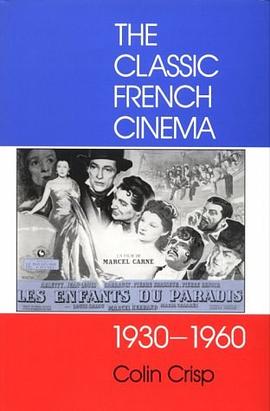
The three decades between 1930 and 1960 were one of the most creative periods in the history of cinema. During this era, films achieved a level of great sophistication, and in France this era produced some of the most famous films ever made - Jean Vigo's Zero de conduite. Rene Clair's A nous la liberte, Jean Renoir's Crime de M Lange, and Jean Cocteau's Orphee. In The Classic French Cinema, 1930-1960, Colin Crisp investigates the critical period from the introduction of sound to the beginning of the New Wave. He details the extraordinary ingenuity of French filmmakers who worked under economic and technological constraints that affected both the production and the consumption of films. In this comprehensive study, Crisp synthesizes a large body of work on the French cinema, most of it published only in French. At the same time, he radically re-writes aspects of the industrial history of the classic French cinema, shedding new light on its periodization and re-evaluating the extent of German influence on the French film industry's postwar organization. Crisp also reveals the New Wave filmmakers to be the natural heirs of the classic French cinema, rather than a break with the earlier tradition. Fully illustrated with over 50 black-and-white photos from these classic films, plus numerous charts, and figures.
作者简介
目录信息
读后感
用户评价
这本《法式经典电影:1930-1960》简直是一场视觉与思想的盛宴!我是在一个偶然的机会下翻到它的,当时就被其沉甸甸的质感和封面散发出的复古气息所吸引。翻开书页,仿佛瞬间穿越回那个星光璀璨的年代。书中对那些诞生于上世纪三十年代到六十年代的法国电影的深度剖析,着实令人惊叹。它不仅仅是罗列电影名称和导演,而是真正深入到每一部作品的精神内核。我尤其喜欢其中关于“诗意现实主义”的章节,作者对让·雷诺阿、马赛尔·卡尔内等大师的解读,让我重新认识了这些经典之作。那些关于社会底层人物的命运、对爱情的独特视角、以及法国特有的那种略带忧郁却又充满诗意的浪漫情怀,都被作者细腻地捕捉并呈现出来。每一次阅读,都能从中挖掘出新的感悟。书中穿插的珍贵剧照和幕后故事,更是为我的观影体验增添了无数细节和趣味。我甚至开始重新翻看很多被遗忘的老电影,每当看到某个场景,都会联想到书中精彩的评论,仿佛与作者一同在影院里重温那些传奇的时刻。这本书不仅仅是一本影评集,更是一份关于法国电影黄金时代的深度文献,对于任何热爱电影,尤其是法国电影的观众来说,都是不可多得的宝藏。它让我对电影艺术有了更深刻的理解,也让我对那个时代的法国社会和文化产生了浓厚的兴趣。
评分Honestly, picking up "The Classic French Cinema, 1930-1960" felt like unlocking a secret vault of cinematic treasures. It’s not just a book about movies; it’s a gateway into a cultural epoch. What struck me immediately was the sheer breadth of coverage, yet with an impressive depth of analysis for each film and movement discussed. The author has a remarkable ability to weave together the artistic, social, and historical threads that define this period of French filmmaking. I was particularly enthralled by the sections dedicated to the evolution of cinematic language. The transition from the more theatrical styles of earlier decades to the more fluid and experimental approaches emerging in the 50s is meticulously charted. It’s fascinating to see how directors like René Clément and Henri-Georges Clouzot pushed the boundaries of storytelling and visual composition. The book doesn't shy away from addressing the political turmoil and societal shifts of the time, explaining how these external factors inevitably seeped into the cinematic narratives. It’s this contextual understanding that elevates the book beyond a mere filmography. I've always found French films from this era to possess a certain je ne sais quoi, a blend of intellectualism and raw emotion, and this book has finally given me the vocabulary and framework to articulate that appreciation. It’s a dense read, but in the best possible way, offering new layers of understanding with each encounter. This is a must-have for anyone serious about film history.
评分我 must say, this book, "The Classic French Cinema, 1930-1960," has been an absolute revelation. As someone who’s always had a soft spot for the elegance and intellectual depth of European cinema, I was initially drawn to the title, hoping for a comprehensive overview. What I got was so much more. The author doesn't just provide plot summaries or biographical details; they delve into the socio-political contexts that shaped these films, the artistic movements that influenced them, and the enduring legacy they've left behind. The meticulous research is evident on every page. I particularly appreciated the nuanced discussions on the impact of World War II on French filmmaking, and how directors navigated censorship and moral ambiguity to create art that was both relevant and timeless. The analysis of films like "The Rules of the Game" and "Children of Paradise" goes beyond superficial praise, offering insights into their complex characters, innovative cinematic techniques, and profound philosophical underpinnings. It’s a book that challenges you to think, to question, and to see these films not just as entertainment, but as powerful reflections of the human condition. The writing style is sophisticated yet accessible, managing to be both academic and engaging. It’s the kind of book you can’t rush; you need to savor each chapter, letting the ideas wash over you. I've found myself constantly referring back to it, cross-referencing with my own film viewing experiences, and feeling a deeper connection to the magic of French cinema from this pivotal era.
评分这本书,就如同同一片浓郁的、经久弥香的法国香水,一旦沾染,便会久久萦绕。我一直觉得,法国电影在某种程度上,是法国人对生活、对情感、对人性的一种独特表达方式,而《法式经典电影:1930-1960》恰恰捕捉到了这一点。作者的文字,带着一种法国人特有的浪漫与审慎,将那些黑白画面中的光影故事,描绘得栩栩如生。我特别欣赏书中对“视觉风格”的讨论,那些巧妙的镜头运用,那些充满象征意义的构图,在作者的解析下,不再是单纯的视觉呈现,而是承载着更深层次的意味。书中对不同时代、不同导演风格的区分,也极具洞察力。我看到了从战前的忧郁浪漫,到战后的反思与重建,再到六十年代初的革新前夜,法国电影是如何在时代的洪流中不断演变和自我超越的。阅读过程中,我仿佛置身于那个时代,感受着电影院里观众的呼吸,聆听着银幕上角色的低语。这本书不只是关于电影,它更是关于一种时代精神,一种法兰西式的优雅与深刻。我推荐给每一个热爱电影、热爱生活、渴望理解那段辉煌岁月的读者,它绝对会让你收获满满,并且,你会发现自己对法国电影的认识,从此达到了一个新的高度。
评分这本书,在我看来,更像是一位老友在娓娓道来一段令人着迷的历史。它没有那种过于学术化的腔调,读起来非常舒服,仿佛是在一个温暖的午后,在一家充满书香的咖啡馆里,与一位资深影评人促膝长谈。书中关于“新浪潮”之前的法国电影的梳理,非常有条理。我特别喜欢作者对不同导演风格的区分,比如雷诺阿那种对人性细致入微的刻画,卡尔内作品中那种弥漫着宿命感的氛围,以及克莱尔那种充满活力和乐观精神的表达。那些在黑白胶片上流淌的画面,在作者的笔下重新焕发了生命。书中对于一些被低估的电影的重新评价,也让我受益匪浅。我一直对一些二战期间或者战后初期的一些法国电影感到好奇,但总觉得缺乏一个清晰的脉络去理解它们。这本书恰恰填补了这个空白,它不仅仅讲故事,更重要的是解读故事背后的时代精神和创作者的考量。阅读的过程,就像是在进行一场跨越时空的电影之旅,每一次翻页,都能发现新的惊喜。那些关于电影制作背后的辛酸、灵感迸发的瞬间,以及演员们精湛的表演,都跃然纸上。我甚至开始尝试用作者提供的方法去分析电影,这让我的观影体验变得更加主动和有深度。这绝对是一本值得反复阅读、细细品味的佳作,它让我更加热爱电影,也更加了解法国文化的独特魅力。
评分The only authoritative work on the industrial and economic history of classic French cinema. Dry but so informative. Any "cinema in crisis" argument should be substantiated or debunked by a work like this. Furthermore, it demonstrates, from an industrial perspective, how the New Wave was possible from the infrastructures set up by the Germans.
评分The only authoritative work on the industrial and economic history of classic French cinema. Dry but so informative. Any "cinema in crisis" argument should be substantiated or debunked by a work like this. Furthermore, it demonstrates, from an industrial perspective, how the New Wave was possible from the infrastructures set up by the Germans.
评分informative but too dry
评分informative but too dry
评分informative but too dry




![国语老歌之音第二辑(3CD) [套装] pdf epub mobi 电子书 下载](https://doubookpic.tinynews.org/dd46fb9bc122d8836795065589621d474f9c0e11ea84304ee49600fc609d46f2/s33460902.jpg)