具体描述
INTRODUCTION<br >Want a hot conversational topic that s sure to spur controversy? Try<br >healthcare. Debate about it spans borders, cuts across all economic<br >levels, permeates political campaigns, and influences boardroom deci-<br >sions. People everywhere are taking a new look at healthcare: what it<br >means, what it costs, who should receive it, who should pay, and how<br >it should be delivered. The way that governments, employers, and<br >ordinary citizens answer these questions will have far reaching conse-<br >quences.<br > As humankind has evolved, our concepts of what constitutes health-<br >rare have changed dramatically. In the beginning, there was no<br >healthcare except that provided by the individual through his or her wits<br >and common sense. Yet people survived and even prospered. Gradually,<br >systems of folk medicine developed in various commtmities that were<br >often remarkably similar despite vast geographic separations. With the<br >rise of civilizations came a corresponding increase in the scope and<br >sophistication of medical care. Trained physicians now treated the sick<br >and counseled the well. Though their practices might differ, ahnost all<br >early healthcare systems were holistic; that is, practitioners believed that<br >the mind and body were one and could not be treated separately.<br >Physicians treated the person and not the disease, and most medications<br >were derived from plants and other naturally occurring substances. With<br >some modifications, physicians practiced this type of medicine for cen-<br >turies. Eastern civilizations and native cultures never abandoned the<br >naturalistic approach, but early in this century, Western medicine took<br > a different course.<br > Spurred by technological advances and an emerging pharmaceutical<br > industry, Western medicine opted for more aggressive tactics. Myriad<br > powerful synthetic drugs (many based on compounds originally de-<br > rived from plants) replaced herbal teas and homemade tonics in the<br > treatment lexicon. Researchers developed sophisticated scientific equip-<br > ment that could plumb the depths of the human body as never before.<br > Progress in medicine came to be measured by the latest miracle drug and<br > cutting-edge technology.<br > The ,pill for an ill" philosophy shifted focus from the person to the<br > disease and thus helped sever the mind-body connection that is the crux<br > of holistic healing. Also, technological medicine made healthcare very<br > complicated--and costly. Only trained physicians knew what was going<br > on in this sophisticated, high-tech envirolunent. The patient simply said,<br > "Okay, doc," and swallowed the pill or underwent the treatment. Nev-<br >
作者简介
目录信息
读后感
用户评价
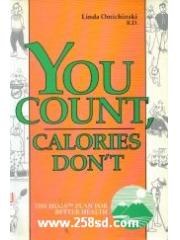
这本书的封面设计,坦白说,第一眼看上去有点朴实过头了,甚至可以说有些过时了。那种排版和字体选择,让人联想到上世纪八九十年代的健康自助指南,缺乏现代感。我本来有点犹豫,心想在这个信息爆炸的时代,一本看起来如此“复古”的书,内容会不会也停留在陈旧的观念里?然而,正是这种外表的低调,反而让我对它的内在产生了好奇。我抱着一种“姑且一试”的心态翻开了扉页。我当时最期待的是,它能否提供一些真正能够在我日常生活中落地生根的、不需要昂贵器械或处方药的实用技巧。我迫切需要的是那种可以在厨房角落里找到材料就能操作的疗愈方法,而不是那些需要专门去某个高端疗养中心才能体验的“玄学”。进入正文后,我发现作者的叙事风格是那种非常平实且富有同理心的,没有故作高深的专业术语,仿佛是一位经验丰富的老邻居在跟你分享她的私藏秘笈,这种感觉非常难得。
评分这本书在组织结构上展现出一种令人惊喜的条理性和跨文化视野。它并非简单地罗列技巧,而是按照身体系统或者常见的健康困扰进行模块化划分。更引人注目的是,作者非常注重知识来源的地域性标注,你能在其中找到源自南美洲传统草药的简化应用,也能看到东亚地区流传已久的食疗智慧。这种全球性的汇编,让这本书的厚度不仅仅停留在“技巧大全”,而更像是一本小型的“世界民间疗愈百科”。这种广博性,避免了任何单一文化疗法的局限性,提供了一种多元选择的空间。对于我这种对文化人类学和传统医学都有兴趣的读者来说,光是阅读这些不同地域的“土方法”是如何演变和适应当地环境的过程,本身就是一种享受,这远超出了我最初对一本“健康手册”的期待。
评分读完前三分之一的内容后,我最大的感受是作者对“低成本”这三个字的理解是极其深刻且全面的。很多所谓的“自然疗法”书籍,最终都会指向一些需要特定稀有草药或者进口精油,这对于普通工薪阶层来说,几乎等于变相的“高成本”。但这本书的切入点很巧妙,它聚焦于那些全球各地被时间验证过的、利用身边唾手可得的资源——比如家里的醋、盐、特定蔬菜的根茎、甚至简单的水温变化——来进行身体调理的智慧。举个例子,书中介绍的几种简易按摩手法,只需要一根圆润的擀面杖或者一个干燥的橙皮,就能有效缓解特定的肌肉紧张。这种务实的态度,让我感到这本书是真正为“大众”服务的,它成功地解构了“健康=昂贵”这个现代社会的普遍误解,让人在阅读过程中不断产生“原来如此简单”的恍然大悟。
评分深入实践后,我发现这本书最大的价值在于它的“易用性”和“即时反馈”。很多健康指南读起来很棒,但真要操作起来,步骤繁琐到让人望而却步。这本书的妙处在于,它将复杂的理论转化成了不超过五步的简单指令。例如,针对失眠的几种辅助睡眠的温敷法,材料准备、水温控制、敷贴时间都写得极其精确,没有任何模糊地带。我尝试了其中一个关于脚底反射区的简单按压法,第二天早上的精神状态确实有肉眼可见的提升。这种清晰、可操作性强的指导,极大地增强了读者的信心,让人愿意持续地将这些方法融入日常习惯,而不是仅仅把书放在书架上当作装饰品。它真正做到了让读者从“知道”跨越到“做到”。
评分总的来说,这本书给我的触动是颠覆性的。我原以为我会得到一本充斥着晦涩难懂的营养学图表和需要精确计算剂量的配方指南,结果却收获了一份充满人间烟火气的、对身体的尊重与自我关怀的工具箱。它的价值不在于提供了什么惊天动地的医学突破,而在于它重新激活了人们内心深处那份利用自身环境和基本常识来维护健康的原始能力。阅读它,就像是为自己重建了一个无需依赖外部权威的“健康堡垒”。我特别欣赏作者那种不急不躁、鼓励实验的精神,它没有给我们任何“必须如此”的压力,而是温柔地引导我们去聆听身体发出的细微信号,并用身边最简单的方式去回应。这是一本真正赋能读者的指南,其价值远远超过其封面所暗示的任何价格标签。
评分 评分 评分 评分 评分