
具体描述
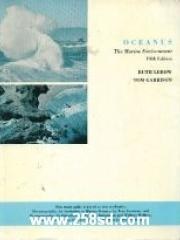
Introduction<br >This is your study guide. Treasure it; struggle cellent source for review. If you have any ques-<br >with it; use it as your personal road map to the tions about content or wish additional inforrna-<br >world of Oceanus. Following the instructions in tion, contact the faculty advisor at the campus<br >this guide will enable you to devote your time where you are enrolled. He or she is eager to<br >to absorbing course content rather than puz- help.<br >zling over what it is you are supposed to be<br >learning.<br > Whether you are a newcomer to television The Text<br >courses, or an old hand, it is important that you<br >become familiar with the components of Oceanus is keyed to two textbooks, either of<br >Oceanus, how they function with each other, which may be used with the television lessons:<br >and how they relate to you. Each of the ele- Oceanography, An Invitation to Marine Science,<br >ments in a telecourse contributes to the whole, by Tom Garrison, published by Wadsworth in<br >effectively using the style of communication 1993; or Oceanography: An Introduction, Fourth<br >peculiar to that particular medium. Edition, by Dale Ingmanson and William Wal-<br > lace, published by Wadsworth in 1989. Atext<br > is an essential part of the course, providing infor-<br >The T__ elevision Lesson marion most appropriate to the print medium. It<br > establishes a foundation of knowledge and elab-<br >The video component of Oceanus calls your at- orates on concepts introduced in the television<br >tention to key concepts and abstract ideas segments through charts, studies, research, and<br >through a variety of formats, from documentary additional photographs. The assignment sec-<br >to demonstration. The camera has the ability to tion of the study guide coordinates reading and<br >travel and observe many activities not normally review assignments with the television segment.<br >available to the classroom student. It brings You should leaf through each assignment<br >noted authorities into your home on a moment s before you begin to read~ Some text assign-<br >notice. You become an eyewitness to natural ments are fairly short, some rather long. In this<br >phenomena rarely seen in a lifetime, way you can gauge the length and detail of the<br > Using television for learning is not like reading, and pace yourself.<br >watching a comedy series or sporting event. At Your campus instructor will tell you which<br >first you will have to concentrate on active of the texts to use. Assignments will be given<br >watching. It is very easy to slip into the passive, for both books (you need not read both).<br >half-viewing stance used for entertainment<br >television. In most instances, you will have a<br >chance to review the lesson in an alternate time ~ Guide<br >period, or watch video cassettes of the lesson at<br >the learning center on campus. As the title indicates, the study guide helps you<br > If you have an audio recorder available, tape to synthesize and integrate the materials<br >the audio portion of the program as you are presented in the text and television segments.<br >viewing it. After you have watched the program Each lesson of the study guide contains the rol-<br >and can visualize it, the audio portion is an ex- lowing segments:<br >
作者简介
目录信息
读后感
用户评价
我最近翻阅了一本名为《海底之光:极端环境下的生物发光》的著作,它给我的感觉就像是进入了一个完全由光影构筑的梦境。这本书完全绕开了宏大的生态叙事,而是聚焦于一个极其微小却又极其普遍的自然现象——生物发光。作者以一种近乎艺术评论家的视角,审视了从甲藻到深海鮟鱇鱼,各种生物如何运用化学能制造出冷光。书中对发光模式的分类细致入微,从用于引诱猎物的“诱饵光”到用于群体识别的“身份光”,每一种光都有其独特的生存意义。文字描述极具画面感,读到“深海的黑色中,只有生命在用磷光书写秘密信息”这样的句子时,鸡皮疙瘩都起来了。这本书的优势在于其主题的独特性和内容的极致专注,它证明了即使是最小的生物,也能在最严酷的环境中,发展出最惊艳的生存策略。它带给我的震撼是视觉和想象力的双重冲击,让我意识到,海洋的深度不仅仅是黑暗,更是无尽的、闪烁的剧场。
评分如果说之前的书籍都在讲述海洋“是什么”或“将如何”,那么《水下迷宫:洋流与气候引擎》则侧重于“如何运作”。这本书的结构如同一个精密的机械蓝图,将洋流系统——从墨西哥湾流到南极绕极流——描绘成地球气候的超级传输带。作者的表达方式极其理性化和结构化,大量使用了比喻和类比来解释那些跨越数千公里的能量传递过程。对我这个习惯于线性思维的读者来说,理解这些复杂的、三维的动态系统一度是个挑战,但作者通过引入“热盐循环”这个核心概念,并辅以清晰的图表说明,最终构建了一个完整的认知框架。它解释了为什么地球某一端正在经历严寒,而另一端却遭受热浪,这一切的答案都指向了那深不可测的、永不停歇的水体运动。这本书的阅读体验是需要投入精力的,它更像是一本高阶的地理教科书,但回报是巨大的——你将不再仅仅是“看”到海洋,而是开始“理解”海洋作为地球生命支持系统的那种磅礴的内在逻辑。
评分《潮汐的低语:全球海洋变迁录》这本书,它展现出的是一种宏大叙事下的忧患意识,视角从微观转向了全球尺度的气候影响。不同于单纯介绍海洋生物的图鉴,作者采取了一种历史学家和环境科学家的双重身份,追溯了过去数百年间,人类活动是如何不经意间重塑了海洋的化学平衡与物理形态。书中对于海洋酸化问题的论述,采用了大量的数据对比和模型推演,尽管数据密集,但作者高超的叙事技巧,使得复杂的化学反应链条也变得易于理解,那些关于碳酸钙溶解的细节,读起来让人感到一种切实的危机感。尤其让我印象深刻的是,它探讨了特定渔场的衰退如何引发了区域性的社会经济动荡,将环境问题与人类命运紧密地联系在了一起。文笔略显沉重,但绝不枯燥,它像是一部警示录,鞭策着我们反思当下的消费习惯和能源政策。我尤其赞赏作者没有停留在“问题”的层面,而是提出了若干切实可行的、基于生态恢复力的解决方案框架,读完后,我立刻去查阅了当地的海洋保护组织信息,这种由阅读引发的行动力,是优秀非虚构作品的标志。
评分这本《深海奇观:海洋生态的奥秘》着实让人眼前一亮,它以一种近乎诗意的笔触,勾勒出了我们星球上那片广袤蓝色疆域的内在生命力。作者似乎拥有与海洋融为一体的魔力,使得那些深藏于海平面之下的复杂生态系统,在我们眼前变得清晰而生动。书中对于珊瑚礁的描绘尤其令人震撼,那些五彩斑斓的微观世界,被细致入微地解剖开来,展示了共生关系如何在极端环境中建立起坚固的生态网。我特别欣赏它对物种多样性的探讨,不仅仅罗列了名字,而是深入挖掘了每一种生物适应环境的“生存哲学”,比如那些能承受巨大水压的深海鱼类,它们身体结构的进化简直是一部微缩的工程学史。阅读的过程中,我仿佛能闻到海水的咸味,感受到洋流的脉动,那种沉浸式的体验是很多科普读物难以企及的。它成功地将科学的严谨性与文学的美感完美地融合,让人在学习知识的同时,也体会到了对自然的深深敬畏。对于任何一个对海洋生物学或生态保护有兴趣的人来说,这本书无疑是一份珍贵的精神食粮,它激发了我想要亲身潜入那片蓝色未知领域的好奇心。
评分《鲸歌的秘密:海洋哺乳动物的智力与沟通》——这本书仿佛是一本关于外星文明的考察报告,只是这个“外星”世界就存在于我们脚下。它完全聚焦于海洋哺乳动物,特别是鲸豚类的社会结构、声学交流和认知能力。作者似乎花了数十年时间,隐身于海面之下,记录下了那些我们人类文明几乎无法触及的对话。书中的故事性非常强,例如对虎鲸家族中母系传承的描述,其复杂程度完全不亚于人类的任何部落历史。最让我着迷的是关于声呐定位和复杂“歌唱”模式的分析,这些声音不仅是简单的信号传递,更像是包含文化和历史信息的复杂叙事。阅读时,我常常被一种强烈的“共情”所占据,仿佛能感受到它们在广阔海洋中的孤独与联结。这本书的语言风格非常感性,充满了对这些伟大生物的敬意,它成功地将科学研究的严谨性,转化成了一场温柔而深刻的生命礼赞,极大地拓宽了我对“智慧”定义的理解边界。
评分 评分 评分 评分 评分

![永远的梅艳芳(CD) [套装] pdf epub mobi 电子书 下载](https://doubookpic.tinynews.org/a87cf560338db6dceb38ef43b5ee7bf9dbce7bef66ffb0554d1e87cfc2fbe1d8/s2799085.jpg)