具体描述
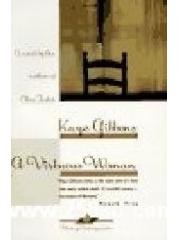
Amazon.com The Bishop and the Missing L Train is the ninth entry in Andrew Greeley's deservedly popular Father Blackie Ryan series. Auxiliary Bishop Augustus Quill, recently posted to the Chicago Archdiocese, could not be described as a loved man. His nickname, bestowed upon him by fellow seminarians, is "Idiot." Despite his relatively high position, one that implies significant intelligence, wit, piety, and compassion, the man seems lacking in all departments save piety. In fact, so disliked is Quill that someone is willing to stop at nothing--at least nothing short of absconding with an entire subway car, bishop included--to keep him from his appointed rounds. Sean Cardinal Cronin, the Archbishop of Chicago, is no more a fan of Quill's than anyone. Still, the act of losing a bishop (or, more precisely, not retrieving an absconded-with bishop) would not be smiled upon by Rome. Fortunately for Cronin (and fans of humorous, clever, well-written amateur-sleuth mysteries everywhere), Bishop Blackie Ryan is on his side. "We cannot permit this, Blackwood!" "Indeed." "Auxiliary bishops do not slip into the fourth dimension, not in this archdiocese." "Patently." "Especially they do not disappear on L trains that also disappear, right?" "Right!" "You yourself have said that we will be the prime suspects, have you not? Don't we have powerful reasons for wanting to get rid of him?" "Arguably," I sighed. "However, as you well know, in the best traditions of the Sacred College we would have dispatched Idiot with poison." As with any amateur sleuth worth the paper he's written on, Ryan has a cadre of variously talented (and oft-related) professionals--cops, psychologists, reporters, etc.--at his beck and call. And good thing, too, for there are that many and more likely suspects--about the same number, arguably, as there are reasons to devour the entire Ryan series. The Bishop and the Missing L Train is another ecclesiastical lulu. --Michael Hudson From Publishers Weekly The lighthearted Bishop Blackie returns with this thoroughly beguiling entry in Greeley's series detailing the misadventures of venerable Bishop John Blackwood Ryan, the erudite assistant to Sean Cardinal Cronin, archbishop of Chicago. An embarrassment to the Vatican, oafish and mean-spirited Most Reverend Augustus (Gus) Quill is appointed by Rome to Cronin's archdiocese as an auxiliary bishop, infuriating Cronin, who calls Quill by his seminary nickname: Idiot. But when the unwelcome Quill disappears, along with the L train he was riding on, the sardonic, benevolent Bishop Blackie is in charge of finding him and unraveling the mystery of why the L never arrived at the terminal. Intertwined with the Quill enigma are the dual quandaries of Tommy Flynn Jr., a young trader at the Chicago Mercantile Exchange who's smitten with Notre Dame's All-American star women's soccer captain, Christy Logan, and irresistibly sexy Jenny Carlson, an abused ex-wife of a Nobel also-ran, who is having a steamy affair with her boss. Tommy's lustful fantasies and Jenny's struggle to find happiness are waylaid when they both become suspects in the investigation, each having made public threats against the missing bishop. When Blackie finds Quill in an alley drugged with heroin, he sets out to track the villains. Bemused observers of Greeley's trademarkAan arguably adolescent, definitely titillating preoccupation with soft-core sexAwill not be disappointed. (July) Copyright 2000 Reed Business Information, Inc. See all Editorial Reviews
作者简介
目录信息
读后感
用户评价
令人印象深刻的是作者对于“缺席感”的刻画。书中的主要人物似乎永远处于一种“未达到”或“尚未出现”的状态。你读着、读着,期待着一个关键人物的现身,期待着一个决定性的转折,但作者似乎故意设置了无数个“几近到达”的瞬间,然后在最后关头将它们抽离。这种持续的、令人心痒的悬而未决,使得阅读体验充满了张力。它迫使你开始质疑:我们究竟是在寻找一个失踪的人或物,还是在追逐一个由我们自身期望投射出的幻影?文字的力量在于其精准的克制,它没有大喊大叫,而是用低沉的、近乎耳语的语气,不断地强调那种真空地带的存在。那种空白不是虚无,而是被沉甸甸的可能性和未曾发生的历史所填满。每次翻过一页,我都感觉到自己离真相更近了一点,但同时,真相本身似乎又后退了一步,这种悖论式的互动,简直让人欲罢不能。
评分这本作品的结构设计堪称精妙,它拒绝线性的叙事,更像是一系列互相交叉的、带有强烈象征意义的片段集合。章节之间的跳跃性很高,有时候仅仅因为一个颜色、一种气味,叙事视角就会突然切换到另一个时间点,让人不得不强迫自己重新校准对“现在”的理解。这种处理手法极大地增强了阅读的挑战性,但也带来了无与伦比的回报——你不是在阅读一个故事,而是在经历一次挖掘的过程。作者非常善于利用物品来承载情感和历史的重量。比如,书页里反复出现的关于一把生锈的钥匙和一张褪色照片的描写,它们的作用远超道具本身,简直像是两个独立的、充满秘密的角色。我尝试着在脑海中构建一个清晰的时间轴,但很快就放弃了,转而享受这种迷失在作者精心编织的迷宫中的感觉。这种叙事策略要求读者放下既有的期待,像考古学家一样,耐心拂去每一层灰尘,去寻找潜藏在日常表象下的深层含义。
评分这本书的开篇就展现出一种令人不安的、几乎是催眠般的氛围。叙事者似乎在用一种非常克制却又极富暗示性的笔调,带领我们走进一个被浓雾和历史尘埃笼罩的城市角落。你会立刻感觉到,这不是那种快节奏的侦探小说,而更像是一部细腻的、关于“缺失”本身的哲学沉思录。作者对环境的描绘达到了令人惊叹的程度,无论是老式建筑上苔藓的颜色,还是午夜电车轨道上反射出的微弱霓虹,都仿佛被注入了某种宿命论的重量。主人公——姑且称他为“观察者”吧——他的行动是如此缓慢,每一步似乎都在与周遭沉重的静默进行一场无声的较量。我特别欣赏作者在处理内心独白时所展现出的那种疏离感,他让我们看到一个被困在时间夹缝中的灵魂,试图拼凑那些散落在记忆碎片中的线索,而这些线索本身,似乎比任何实体证据都更难捕捉和定义。读到某一章时,我甚至停下来,盯着窗外,试图捕捉那种扑面而来的、属于特定时区的潮湿气味,感觉自己已经被完全吸入了故事的粘稠的叙事肌理之中。
评分从文体上看,这本书无疑是文学性的,它带有一种浓厚的欧洲古典文学的影子,特别是那种对城市景观中颓废之美的迷恋。语言的密度非常高,你很难找到一句可以轻松带过的句子。每一个形容词、每一个动词的选择都似乎经过了反复的锤炼,带着一种精确到令人窒息的美感。我尤其注意到了作者对声音细节的处理,比如老式钟表的滴答声,或者遥远海港传来的雾笛声,这些听觉意象被赋予了视觉上的厚重感,它们不是背景噪音,而是推动情绪发展的重要力量。这使得阅读过程变成了一场需要全神贯注的体验,你必须放慢速度,细细品味词语之间的回响和共振。它不是一本可以躺在沙发上随意翻阅的书,它要求你坐直,靠近台灯,仿佛在进行一次私密的、与作者之间的智力对话。
评分这本书真正成功的地方在于它对“城市精神”的捕捉。它描绘的不仅仅是一个地理位置,而是一个充满着集体潜意识和被遗忘秘密的有机体。那些街道、那些隐秘的庭院,都仿佛拥有自己的记忆和呼吸。叙事中偶尔闪现的民间传说和城市神话,与当下发生的事情交织在一起,模糊了现实与虚构的边界。这让我想起一些关于记忆宫殿的理论,这本书似乎就是作者为我们精心构建的一个复杂迷宫,而我们,作为读者,被邀请进入其中寻找出口,或者更确切地说,寻找迷失在其中的自我碎片。它提供了一种深刻的共鸣感,尤其对于那些生活在巨大、沉默的城市中,感受到自身渺小与疏离的人来说。读完之后,你并不会得到一个清晰的答案,但你会带着一种全新的视角去看待你周围的日常环境,仿佛每一扇紧闭的门后都藏着一个宏大的、尚未被揭示的篇章。
评分 评分 评分 评分 评分