
具体描述
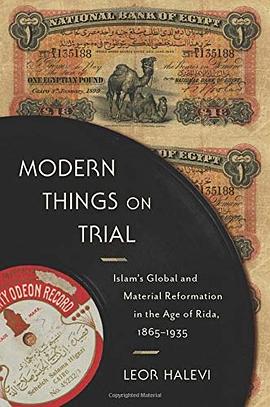
In cities awakening to global exchange under European imperial rule, Muslims encountered all sorts of strange and wonderful new thingssynthetic toothbrushes, toilet paper, telegraphs, railways, gramophones, brimmed hats, tailored pants, and lottery tickets. The passage of these goods across cultural frontiers spurred passionate debates. Realizing that these goods were changing religious practices and values, proponents and critics wondered what to outlaw and what to permit.In this book, Leor Halevi tells the story of the Islamic trials of technological and commercial innovations of the late nineteenth and early twentieth centuries. He focuses on the communications of an entrepreneurial Syrian interpreter of the shari?a named Rashid Rida, who became a renowned reformer by responding to the demand for authoritative and authentic religious advice. Upon migrating to Egypt, Rida founded an Islamic magazine, The Lighthouse, which cultivated an educated, prosperous readership within and beyond the British Empire. To an audience eager to know if their scriptures sanctioned particular interactions with particular objects, he preached the message that by rediscovering Islams foundational spirit, the global community of Muslims would thrive and realize modernitys religious and secular promises.Through analysis of Ridas international correspondence, Halevi argues that religious entanglements with new commodities and technologies were the driving forces behind local and global projects to reform the Islamic legal tradition. Shedding light on culture, commerce, and consumption in Cairo and other colonial cities, Modern Things on Trial is a groundbreaking account of Islams material transformation in a globalizing era.In cities awakening to global exchange under European imperial rule, Muslims encountered all sorts of strange and wonderful new thingssynthetic toothbrushes, toilet paper, telegraphs, railways, gramophones, brimmed hats, tailored pants, and lottery tickets. The passage of these goods across cultural frontiers spurred passionate debates. Realizing that these goods were changing religious practices and values, proponents and critics wondered what to outlaw and what to permit.In this book, Leor Halevi tells the story of the Islamic trials of technological and commercial innovations of the late nineteenth and early twentieth centuries. He focuses on the communications of an entrepreneurial Syrian interpreter of the shari?a named Rashid Rida, who became a renowned reformer by responding to the demand for authoritative and authentic religious advice. Upon migrating to Egypt, Rida founded an Islamic magazine, The Lighthouse, which cultivated an educated, prosperous readership within and beyond the British Empire. To an audience eager to know if their scriptures sanctioned particular interactions with particular objects, he preached the message that by rediscovering Islams foundational spirit, the global community of Muslims would thrive and realize modernitys religious and secular promises.Through analysis of Ridas international correspondence, Halevi argues that religious entanglements with new commodities and technologies were the driving forces behind local and global projects to reform the Islamic legal tradition. Shedding light on culture, commerce, and consumption in Cairo and other colonial cities, Modern Things on Trial is a groundbreaking account of Islams material transformation in a globalizing era.In cities awakening to global exchange under European imperial rule, Muslims encountered all sorts of strange and wonderful new thingssynthetic toothbrushes, toilet paper, telegraphs, railways, gramophones, brimmed hats, tailored pants, and lottery tickets. The passage of these goods across cultural frontiers spurred passionate debates. Realizing that these goods were changing religious practices and values, proponents and critics wondered what to outlaw and what to permit.In this book, Leor Halevi tells the story of the Islamic trials of technological and commercial innovations of the late nineteenth and early twentieth centuries. He focuses on the communications of an entrepreneurial Syrian interpreter of the shari?a named Rashid Rida, who became a renowned reformer by responding to the demand for authoritative and authentic religious advice. Upon migrating to Egypt, Rida founded an Islamic magazine, The Lighthouse, which cultivated an educated, prosperous readership within and beyond the British Empire. To an audience eager to know if their scriptures sanctioned particular interactions with particular objects, he preached the message that by rediscovering Islams foundational spirit, the global community of Muslims would thrive and realize modernitys religious and secular promises.Through analysis of Ridas international correspondence, Halevi argues that religious entanglements with new commodities and technologies were the driving forces behind local and global projects to reform the Islamic legal tradition. Shedding light on culture, commerce, and consumption in Cairo and other colonial cities, Modern Things on Trial is a groundbreaking account of Islams material transformation in a globalizing era.In cities awakening to global exchange under European imperial rule, Muslims encountered all sorts of strange and wonderful new thingssynthetic toothbrushes, toilet paper, telegraphs, railways, gramophones, brimmed hats, tailored pants, and lottery tickets. The passage of these goods across cultural frontiers spurred passionate debates. Realizing that these goods were changing religious practices and values, proponents and critics wondered what to outlaw and what to permit.In this book, Leor Halevi tells the story of the Islamic trials of technological and commercial innovations of the late nineteenth and early twentieth centuries. He focuses on the communications of an entrepreneurial Syrian interpreter of the shari?a named Rashid Rida, who became a renowned reformer by responding to the demand for authoritative and authentic religious advice. Upon migrating to Egypt, Rida founded an Islamic magazine, The Lighthouse, which cultivated an educated, prosperous readership within and beyond the British Empire. To an audience eager to know if their scriptures sanctioned particular interactions with particular objects, he preached the message that by rediscovering Islams foundational spirit, the global community of Muslims would thrive and realize modernitys religious and secular promises.Through analysis of Ridas international correspondence, Halevi argues that religious entanglements with new commodities and technologies were the driving forces behind local and global projects to reform the Islamic legal tradition. Shedding light on culture, commerce, and consumption in Cairo and other colonial cities, Modern Things on Trial is a groundbreaking account of Islams material transformation in a globalizing era.In cities awakening to global exchange under European imperial rule, Muslims encountered all sorts of strange and wonderful new thingssynthetic toothbrushes, toilet paper, telegraphs, railways, gramophones, brimmed hats, tailored pants, and lottery tickets. The passage of these goods across cultural frontiers spurred passionate debates. Realizing that these goods were changing religious practices and values, proponents and critics wondered what to outlaw and what to permit.In this book, Leor Halevi tells the story of the Islamic trials of technological and commercial innovations of the late nineteenth and early twentieth centuries. He focuses on the communications of an entrepreneurial Syrian interpreter of the shari?a named Rashid Rida, who became a renowned reformer by responding to the demand for authoritative and authentic religious advice. Upon migrating to Egypt, Rida founded an Islamic magazine, The Lighthouse, which cultivated an educated, prosperous readership within and beyond the British Empire. To an audience eager to know if their scriptures sanctioned particular interactions with particular objects, he preached the message that by rediscovering Islams foundational spirit, the global community of Muslims would thrive and realize modernitys religious and secular promises.Through analysis of Ridas international correspondence, Halevi argues that religious entanglements with new commodities and technologies were the driving forces behind local and global projects to reform the Islamic legal tradition. Shedding light on culture, commerce, and consumption in Cairo and other colonial cities, Modern Things on Trial is a groundbreaking account of Islams material transformation in a globalizing era.In cities awakening to global exchange under European imperial rule, Muslims encountered all sorts of strange and wonderful new thingssynthetic toothbrushes, toilet paper, telegraphs, railways, gramophones, brimmed hats, tailored pants, and lottery tickets. The passage of these goods across cultural frontiers spurred passionate debates. Realizing that these goods were changing religious practices and values, proponents and critics wondered what to outlaw and what to permit.In this book, Leor Halevi tells the story of the Islamic trials of technological and commercial innovations of the late nineteenth and early twentieth centuries. He focuses on the communications of an entrepreneurial Syrian interpreter of the shari?a named Rashid Rida, who became a renowned reformer by responding to the demand for authoritative and authentic religious advice. Upon migrating to Egypt, Rida founded an Islamic magazine, The Lighthouse, which cultivated an educated, prosperous readership within and beyond the British Empire. To an audience eager to know if their scriptures sanctioned particular interactions with particular objects, he preached the message that by rediscovering Islams foundational spirit, the global community of Muslims would thrive and realize modernitys religious and secular promises.Through analysis of Ridas international correspondence, Halevi argues that religious entanglements with new commodities and technologies were the driving forces behind local and global projects to reform the Islamic legal tradition. Shedding light on culture, commerce, and consumption in Cairo and other colonial cities, Modern Things on Trial is a groundbreaking account of Islams material transformation in a globalizing era.
作者简介
Leor Halevi is associate professor of history and law at Vanderbilt University. He is the author of Muhammads Grave: Death Rites and the Making of Islamic Society (Columbia, 2007).
目录信息
读后感
用户评价
我得说,这本书的叙事节奏处理得非常高明,它不是那种平铺直叙、让你昏昏欲睡的学术报告,而更像是一部精心剪辑的纪录片,充满了意想不到的转折和节奏的变化。开篇部分,作者似乎采取了一种非常克制的疏离感,用大量冷静的观察和数据支撑,构建起一个冰冷的现代社会图景,让人感觉自己像个局外人,在观察一场宏大的社会实验。然而,这种冷静很快就被打破了,随着情节的深入,叙事声音变得越来越具有个人色彩,夹杂着尖锐的讽刺和近乎哀叹的情绪。这种从宏观到微观,从理性到感性的迅速切换,使得阅读体验极其引人入胜。你永远不知道下一页会出现什么——也许是一段精彩的案例分析,也许是一段充满哲思的独白,又或许是一个让你深思的悖论。这种不确定性是这本书最大的魅力所在,它成功地避免了“阅读疲劳”,迫使我必须保持高度的专注力,去捕捉那些稍纵即逝的洞见。它就像一首复杂的交响乐,不同的乐章有各自的主题和速度,但所有元素最终都汇集成一股强大的张力,将读者推向高潮。
评分这本书的语言风格,简直就是一场对传统散文的颠覆性实验。作者似乎完全摒弃了对“流畅性”的刻意追求,转而拥抱一种破碎的、充满张力的表达方式。句子结构常常是错综复杂,充满了大量的插入语和修饰成分,有时候甚至需要倒读好几遍才能真正把握其核心语义。但这并非是故作高深,而是一种有目的的“摩擦感”,它故意设置了阅读的障碍,迫使读者不能被动接受信息,而是必须主动参与到意义的构建过程中去。我尤其喜欢作者在关键论点处所使用的那种极其精准、带着化学反应般精确度的词汇,它们如同手术刀般切开了现象的表层,直击本质,虽然阅读过程需要消耗更多的脑力,但一旦理解,那种醍醐灌顶的快感是无与伦比的。这种语言的“硬度”和“密度”,使得这本书的每一页都充满了信息量,读起来酣畅淋漓,仿佛吞下了一块高纯度的矿石,需要细细咀嚼才能消化其中的精华。
评分毋庸置疑,这本书对当代生活中的种种“新事物”所持有的批判性视角,是其最令人赞赏的方面之一。它没有落入那种简单的“技术决定论”的窠臼,也没有陷入盲目的怀旧情绪中,而是在一个极其复杂的辩证关系中展开讨论。作者似乎对我们习以为常的、被过度美化的现代便利保持着一种近乎偏执的警惕。他不会直接告诉你“这是错的”,而是通过层层剥笋的方式,让你自己看到那些光鲜亮丽的表象之下,可能隐藏着的权力结构、异化效应或是伦理困境。这种批判不是简单的否定,而是一种建设性的解构,它鼓励读者去审视自己与周围环境的关系,去重新评估那些我们为了追求所谓的“进步”而不得不做出的取舍。读完之后,我发现自己看待日常世界的眼神都变了,原本那些模糊不清、理所当然的事情,现在都带上了一层需要被审视的阴影。这本书有效地提供了一种“思想工具箱”,让读者能够更批判、更深刻地参与到我们正在共同塑造的这个复杂世界中去。
评分这本书的封面设计简直让人眼前一亮,那种带着复古未来感的插画风格,用色大胆却又和谐统一,一下子就抓住了我的注意力。我是在一家独立书店偶然发现它的,当时它静静地躺在“新锐思想”的书架上,周围都是那些厚重的哲学论著,但它那种跳脱出来的活力感,让我忍不住伸手去拿。内页的排版也十分考究,字体选择既现代又易读,间距和留白处理得恰到好处,读起来丝毫不感到压抑,反而有一种在精心维护的花园中漫步的感觉。这本书的装帧质量也相当棒,拿在手里沉甸甸的,能感觉到作者和出版方对这本书的用心。我尤其欣赏它在细节上的处理,比如扉页上那句引人深思的格言,虽然和书的主体内容没有直接关联,但它成功地为接下来的阅读设置了一种特定的情绪基调——一种对既有秩序的审视与玩味。光是翻阅这本书的过程,就已经是一种享受,它远不止是一本用来阅读的书,更像是一件可以陈列和珍藏的艺术品,它的物理形态本身就在向读者传达一种关于“现代性”的审美宣言。这种对形式美的执着,让我对内容更加充满期待,仿佛在暗示着,这本书里探讨的问题,也将以同样精致且具有颠覆性的方式呈现出来。
评分这本书里所展现出的那种知识的广度和跨学科的融合能力,着实令人叹为观止。它绝不是局限于单一领域的小打小闹,而是像一张巨大的蜘蛛网,将看似毫不相干的领域巧妙地编织在一起。我能清晰地感受到作者在历史学、社会学、技术哲学乃至艺术评论之间游刃有余地穿梭。例如,他能将某个新兴的数字技术现象,追溯到十八世纪某个晦涩的工业革命时期的社会思潮中去,然后又用现代艺术流派的理论来重新解读当前的文化现象。这种联系的建立,往往不是牵强附会的,而是基于一种深刻而敏锐的洞察力,揭示了事物背后那些隐藏的、共享的结构性逻辑。作为一个有着广泛阅读习惯的读者,我发现自己经常需要停下来,去查阅那些被作者轻描淡写带过的背景知识,但这非但没有带来挫败感,反而激发了我更强烈的求知欲。这本书的价值就在于,它不仅提供了结论,更重要的是,它展示了一种思考世界的全新范式,一种打破学科壁垒、追求整体理解的治学态度。
评分以Rida在al-Manar杂志上的fatwa问答为材料,叙述Rida在回答读者提问时,用lassiez-faire salafism的方式为大量现代科技产品的使用提供教法解释。作为一本研究Rida的专著来说是不错的,但是作者的野心很大,在扩展到全球史、宗教与现代科技等问题时显得力不从心。首先,Rida在全球范围内的影响力和代表性值得怀疑。他的读者大多是富裕的知识分子,对普通穆斯林的影响有限,在南亚等穆斯林世界的影响力也不大,此外他的fatwa是否得到了读者承认都需要进一步研究。其次,作者对穆斯林学者积极接受现代科技的现象持肯定态度,无视了他的反对者和竞争者。这些人对现代科技的抵制或者反思对后现代主义学者来说同样具有价值。
评分以Rida在al-Manar杂志上的fatwa问答为材料,叙述Rida在回答读者提问时,用lassiez-faire salafism的方式为大量现代科技产品的使用提供教法解释。作为一本研究Rida的专著来说是不错的,但是作者的野心很大,在扩展到全球史、宗教与现代科技等问题时显得力不从心。首先,Rida在全球范围内的影响力和代表性值得怀疑。他的读者大多是富裕的知识分子,对普通穆斯林的影响有限,在南亚等穆斯林世界的影响力也不大,此外他的fatwa是否得到了读者承认都需要进一步研究。其次,作者对穆斯林学者积极接受现代科技的现象持肯定态度,无视了他的反对者和竞争者。这些人对现代科技的抵制或者反思对后现代主义学者来说同样具有价值。
评分以Rida在al-Manar杂志上的fatwa问答为材料,叙述Rida在回答读者提问时,用lassiez-faire salafism的方式为大量现代科技产品的使用提供教法解释。作为一本研究Rida的专著来说是不错的,但是作者的野心很大,在扩展到全球史、宗教与现代科技等问题时显得力不从心。首先,Rida在全球范围内的影响力和代表性值得怀疑。他的读者大多是富裕的知识分子,对普通穆斯林的影响有限,在南亚等穆斯林世界的影响力也不大,此外他的fatwa是否得到了读者承认都需要进一步研究。其次,作者对穆斯林学者积极接受现代科技的现象持肯定态度,无视了他的反对者和竞争者。这些人对现代科技的抵制或者反思对后现代主义学者来说同样具有价值。
评分以Rida在al-Manar杂志上的fatwa问答为材料,叙述Rida在回答读者提问时,用lassiez-faire salafism的方式为大量现代科技产品的使用提供教法解释。作为一本研究Rida的专著来说是不错的,但是作者的野心很大,在扩展到全球史、宗教与现代科技等问题时显得力不从心。首先,Rida在全球范围内的影响力和代表性值得怀疑。他的读者大多是富裕的知识分子,对普通穆斯林的影响有限,在南亚等穆斯林世界的影响力也不大,此外他的fatwa是否得到了读者承认都需要进一步研究。其次,作者对穆斯林学者积极接受现代科技的现象持肯定态度,无视了他的反对者和竞争者。这些人对现代科技的抵制或者反思对后现代主义学者来说同样具有价值。
评分以Rida在al-Manar杂志上的fatwa问答为材料,叙述Rida在回答读者提问时,用lassiez-faire salafism的方式为大量现代科技产品的使用提供教法解释。作为一本研究Rida的专著来说是不错的,但是作者的野心很大,在扩展到全球史、宗教与现代科技等问题时显得力不从心。首先,Rida在全球范围内的影响力和代表性值得怀疑。他的读者大多是富裕的知识分子,对普通穆斯林的影响有限,在南亚等穆斯林世界的影响力也不大,此外他的fatwa是否得到了读者承认都需要进一步研究。其次,作者对穆斯林学者积极接受现代科技的现象持肯定态度,无视了他的反对者和竞争者。这些人对现代科技的抵制或者反思对后现代主义学者来说同样具有价值。