
具体描述
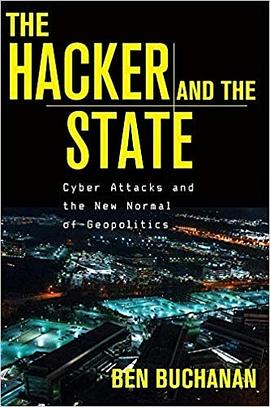
Few national-security threats are as potent―or as nebulous―as cyber attacks. Ben Buchanan reveals how hackers are transforming spycraft and statecraft, catching us all in the crossfire, whether we know it or not.
Ever since WarGames, we have been bracing for the cyberwar to come, conjuring images of exploding power plants and mass panic. But while cyber attacks are now disturbingly common, they don’t look anything like we thought they would.
Packed with insider information based on interviews, declassified files, and forensic analysis of company reports, The Hacker and the State sets aside fantasies of cyber-annihilation to explore the real geopolitical competition of the digital age. Tracing the conflict of wills and interests among modern nations, Ben Buchanan reveals little-known details of how China, Russia, North Korea, Britain, and the United States hack one another in a relentless struggle for dominance. His analysis moves deftly from underseas cable taps to underground nuclear sabotage, from blackouts and data breaches to billion-dollar heists and election interference.
Buchanan brings to life this continuous cycle of espionage and deception, attack and counterattack, destabilization and retaliation. He explains why cyber attacks are far less destructive than we anticipated, far more pervasive, and much harder to prevent. With little fanfare and far less scrutiny, they impact our banks, our tech and health systems, our democracy, and every aspect of our lives. Quietly, insidiously, they have reshaped our national-security priorities and transformed spycraft and statecraft. The contest for geopolitical advantage has moved into cyberspace. The United States and its allies can no longer dominate the way they once did. The nation that hacks best will triumph.
作者简介
Ben Buchanan is a faculty member at Georgetown University’s School of Foreign Service, where he conducts research on the intersection of cybersecurity, artificial intelligence, and statecraft. He is the author of two books, The Hacker and the State (Harvard University Press, 2020) and The Cybersecurity Dilemma (Oxford University Press, 2017). He is also the Senior Faculty Fellow and Director of the CyberAI Project at Georgetown’s Center for Security and Emerging Technology, a five-year $57 million effort to study AI and international affairs. Ben’s other publications include journal articles and peer-reviewed papers on attributing cyber attacks, deterrence in cyber operations, cryptography, election cybersecurity, and the spread of malicious code between nations and non-state actors, as well as articles in the Washington Post, War on the Rocks, and Lawfare. Ben received his PhD in War Studies from King’s College London, where he was a Marshall Scholar. He earned masters and undergraduate degrees from Georgetown University.
目录信息
读后感
用户评价
《The Hacker and the State: Cyber Attacks and the New Normal of Geopolitics》这本书的书名,像一颗精确投掷的石子,瞬间在我平静的思绪湖面上激起了层层涟漪。它所点出的“黑客”与“国家”这两个看似对立却又日益交织的概念,以及“网络攻击”这一充满破坏力与隐匿性的行动,共同勾勒出“地缘政治新常态”这一极具吸引力却又令人不安的图景。我迫不及待地想要一探究竟,它是否能为我解答那些萦绕心头已久的疑问。 我尤其好奇作者是如何处理“黑客”这一角色的。在我的印象中,“黑客”往往与地下世界、反叛精神、或是纯粹的技术好奇心联系在一起。然而,当“国家”成为驱动力时,黑客的行为是否就已经被纳入了某种国家战略的框架之中?书中是否会深入剖析,国家是如何招募、训练、资助甚至是直接指挥黑客组织执行其地缘政治任务的?这种“国家化”的黑客行为,其运作机制、信息传递方式、以及利益驱动又将是怎样一番景象?它是否意味着,曾经的“灰色地带”已经变得越来越清晰,但这种清晰却并非源于透明,而是因为国家力量的强大渗透? 我对书中对于“新常态”的定义充满了期待。在传统的国际关系理论中,战争往往是最后的手段,其后果也常常是显而易见的。然而,网络攻击的出现,极大地模糊了战争与和平的界限。它可以在不引发大规模军事冲突的情况下,对敌对国家造成实质性的损害,从而实现政治目标。书中是否会探讨,这种“不宣而战”的模式,是如何挑战了我们对国家主权、战争定义以及国际法基本原则的理解?这种“新常态”是否意味着,国家之间的竞争将越来越多地转移到数字战场,而传统的军事力量和外交手段的重要性是否会被相对削弱? 我想知道,书中是否会通过对一系列标志性网络攻击事件的详细分析,来印证其关于“新常态”的论断。比如,那些被指控为国家背景的网络攻击,是如何精准地打击了对手的关键基础设施,是如何干扰了其国内选举,又是如何窃取了其敏感的科研数据。通过对这些案例的技术细节、攻击路径、以及最终的政治影响进行梳理,作者能否揭示出国家在网络空间进行地缘政治博弈的通用模式和策略?这些案例的选取,是否能够涵盖不同地区、不同类型的攻击,从而展现出网络攻击地缘政治影响的广泛性? 我期待书中能够深入探讨网络攻击与国家安全之间的复杂关系。在数字时代,网络攻击是否已经成为一种比传统军事威胁更为严峻和难以防范的安全挑战?国家需要投入多少资源来构建其网络防御体系?又该如何平衡网络安全与开放互联网之间的关系?书中是否会探讨,那些遭受网络攻击的国家,其国内的政治稳定、经济发展以及社会秩序将面临怎样的冲击?而这些冲击,又将如何反过来影响其在地缘政治舞台上的地位和影响力? Furthermore, I'm keen to understand the author's perspective on the evolving doctrines and strategies of major global powers in cyberspace. How do countries like the United States, China, Russia, and others approach offensive cyber operations? Are there distinct philosophical differences in their utilization of cyber capabilities for geopolitical gain? For instance, does one nation prioritize disruption, another espionage, and yet another influence operations? Unpacking these strategic nuances would provide invaluable insight into the current geopolitical landscape and its potential future trajectories. The book's exploration of "the new normal" also prompts questions about the future of international cooperation and conflict resolution. If cyber attacks become a commonplace tool of statecraft, how can international norms and agreements be developed and enforced to mitigate escalation and prevent widespread instability? Is it even possible to establish robust international frameworks in a domain characterized by inherent anonymity and attribution challenges? I am eager to see if the author offers any concrete proposals or envisions potential pathways for managing this new form of geopolitical competition. I'm also very interested in the author's analysis of how cyber attacks might impact traditional power dynamics and the balance of influence between states. Can a nation with a less developed conventional military capability leverage sophisticated cyber tools to challenge more powerful adversaries? Does this fundamentally alter the calculus of power projection and deterrence? Understanding how cyber capabilities can equalize or exacerbate power imbalances is a crucial aspect of grasping the "new normal" of geopolitics. Moreover, the psychological and societal implications of persistent cyber warfare are of great interest to me. How does the constant threat of cyber attacks, the erosion of trust in digital information, and the potential for widespread disruption affect public perception and national psychology? Does this create a climate of perpetual unease and vulnerability that states can exploit, or does it foster a greater demand for robust digital governance and security measures? Ultimately, my anticipation for this book stems from a desire to gain a more profound understanding of the invisible battles being waged in cyberspace and their tangible consequences on the world stage. I hope "The Hacker and the State" will not only illuminate the mechanisms of cyber conflict but also offer a compelling vision of how we might navigate this complex and evolving geopolitical landscape, ensuring a more secure and stable future for all.
评分《The Hacker and the State: Cyber Attacks and the New Normal of Geopolitics》这个书名,宛如一道裂痕,在传统的国际关系理论体系中撕开了一个新的缺口。它精准地捕捉到了当下最令人不安却又无法回避的现实:网络空间已经成为国家间竞争的新维度,而“黑客”与“国家”的结合,正在重塑着全球权力格局。我怀揣着一种既渴望理解又带着一丝忧虑的心情,翻开了这本书,希望能找到答案。 我非常期待作者能够深入剖析“黑客”在现代国家机器中所扮演的角色。在我过往的认知中,“黑客”往往是与地下世界、反叛精神,甚至是个人英雄主义联系在一起的。然而,当“国家”成为其背后的驱动力时,“黑客”的行为逻辑将发生怎样的转变?书中是否会详细阐述国家是如何通过各种渠道,包括但不限于直接招募、外包服务、甚至是通过间接支持等方式,来利用和指挥那些具备高超网络技术能力的个体或组织?这种“国家化”的黑客行为,其运作机制、信息传递方式、以及最终的利益驱动又将是怎样一番景象?它是否意味着,曾经那种模糊的、非国家行为体的界限,如今已经被国家力量所侵蚀和主导? 对于“新常态”这一概念,我希望作者能赋予其深刻而富有洞察力的解读。在我看来,这种“新常态”不仅仅是网络攻击事件数量的增加,更在于其性质、影响和作用方式的根本性改变。它意味着,国家可以在不引发大规模传统军事冲突的情况下,对敌对国家造成实质性的经济损害、政治混乱,甚至社会动荡。这种“低成本、高隐蔽性”的攻击模式,是否已经成为国家进行对外施压的新常态?它是否会重塑传统的战略威慑理论,使得旧有的战略平衡被打破?书中是否会通过对一系列标志性的网络攻击事件的深度剖析,来具体阐释这种“新常态”是如何具体体现的? I am particularly intrigued by the book's potential to shed light on the strategic doctrines and operational methodologies of various state actors in cyberspace. How do countries with different geopolitical ambitions and technological capabilities approach offensive cyber operations? Are there discernible patterns in their targeting, their chosen tools, and their ultimate objectives? Understanding these distinctions will be crucial for deciphering the complex web of state-sponsored cyber activities and their impact on the global stage. Furthermore, the book's exploration of "the new normal" prompts questions about the future of international cooperation and conflict resolution. If cyber attacks become a commonplace tool of statecraft, how can international norms and agreements be developed and enforced to mitigate escalation and prevent widespread instability? Is it even possible to establish robust international frameworks in a domain characterized by inherent anonymity and attribution challenges? I am eager to see if the author offers any concrete proposals or envisions potential pathways for managing this new form of geopolitical competition. The title also hints at the potential for significant disruption and transformation. How might widespread cyber attacks reshape economic systems, political landscapes, and even societal structures? Are we heading towards a future where digital vulnerabilities become the primary determinants of national strength and influence? The book's ability to paint a comprehensive picture of these potential ramifications, supported by rigorous analysis and evidence, would be highly valuable. Moreover, I hope that the book will offer a nuanced understanding of the actors involved, moving beyond simplistic notions of "good" versus "evil." By delving into the motivations, strategies, and operational methods of various state actors, "The Hacker and the State" has the potential to provide a more sophisticated and realistic portrayal of cyber warfare and its place in contemporary geopolitics. This will be crucial for developing effective strategies to navigate this evolving landscape. Ultimately, my anticipation for this book stems from a desire to gain a more profound understanding of the invisible battles being waged in cyberspace and their tangible consequences on the world stage. I hope "The Hacker and the State" will not only illuminate the mechanisms of cyber conflict but also offer a compelling vision of how we might navigate this complex and evolving geopolitical landscape, ensuring a more secure and stable future for all.
评分我被《The Hacker and the State: Cyber Attacks and the New Normal of Geopolitics》这个书名深深吸引,因为它精准地抓住了当前国际关系领域最前沿、最迫切需要理解的议题之一。在我看来,这个书名传递的信息是:网络攻击不再是边缘化的、技术性的事件,而是已经成为国家间博弈的核心手段,并且正在深刻地改变着我们对地缘政治的认知。我期待这本书能够为我打开一扇通往这个隐秘世界的大门,揭示出那些隐藏在数字代码背后的政治逻辑与权力游戏。 我特别关注书中对“黑客”与“国家”之间关系的论述。一直以来,我对于“黑客”的印象是独立、技术至上,有时甚至是反建制的。然而,当“国家”这个强大的组织力量介入时,“黑客”的身份和行为将发生怎样的转变?书中是否会深入探讨国家是如何利用其资源和影响力,来招募、支持、甚至直接指挥那些能够执行国家意志的网络攻击者?这种“国家化”的黑客行为,是否意味着过去那种“自由野蛮”的网络空间正在被日益规训和工具化?我非常想了解,国家是如何在技术层面和战略层面上,将黑客活动整合进其整体外交和安全政策的。 关于“新常态”的解读,我抱有极大的期待。在我看来,这种“新常态”不仅仅是指网络攻击的数量增加,更是指其性质、目的和影响力的深刻转变。它意味着,国家可以通过网络攻击,在不引发大规模军事冲突的前提下,对敌对国家造成实质性的经济、政治和社会损害,从而达到其地缘政治目的。书中是否会通过对一系列标志性的网络攻击事件的深度剖析,来揭示这种“新常态”的具体表现形式?例如,那些被指控为国家背景的网络攻击,是如何精准地打击了对手的关键基础设施,是如何干扰了其国内选举,又是如何窃取了其敏感的科研数据。这些案例的分析,将是理解“新常态”的关键。 Furthermore, the book's title suggests a comprehensive examination of the interplay between cyber warfare and the broader geopolitical landscape. I am eager to understand how offensive cyber capabilities are being developed and weaponized by states to achieve strategic objectives. This could involve analyzing the intelligence gathering, planning, and execution phases of cyber attacks, as well as the political motivations behind these operations. The author's ability to synthesize technical details with geopolitical insights will be crucial in providing a holistic perspective. I am also keen to explore the author's perspectives on the evolving international norms and legal frameworks governing cyber warfare. In an era where attribution is often challenging and the lines between espionage, sabotage, and outright aggression are blurred, how are states adapting their behavior and what challenges do international institutions face in regulating cyberspace? The book's potential to address these critical questions about global governance in the digital age is a significant draw. Moreover, the concept of "the new normal" implies a sustained shift in geopolitical dynamics. I would be interested to read about how different states perceive and react to this new reality. Are some states more aggressive in their cyber ambitions, while others focus on defensive measures? How do alliances and international organizations grapple with the implications of cyber conflict? Understanding the varied national approaches and the resulting shifts in the global power balance will be a key takeaway from this book. The title also hints at the potential for significant disruption and transformation. How might widespread cyber attacks reshape economic systems, political landscapes, and even societal structures? Are we heading towards a future where digital vulnerabilities become the primary determinants of national strength and influence? The book's ability to paint a comprehensive picture of these potential ramifications, supported by rigorous analysis and evidence, would be highly valuable. Finally, I hope that the book will offer a nuanced understanding of the actors involved, moving beyond simplistic notions of "good" versus "evil." By delving into the motivations, strategies, and operational methods of various state actors, "The Hacker and the State" has the potential to provide a more sophisticated and realistic portrayal of cyber warfare and its place in contemporary geopolitics. This will be crucial for developing effective strategies to navigate this evolving landscape.
评分《The Hacker and the State: Cyber Attacks and the New Normal of Geopolitics》——光是这个书名,就足以让我这位长期关注国际政治与网络安全交叉领域的研究者,感受到一股强烈的学术探求欲望。它直接点出了一个核心议题:国家行为体如何运用网络攻击这一新兴手段,来重塑地缘政治格局,以及这种“新常态”将给全球秩序带来怎样的深远影响。我满怀期待,希望这本书能够为我提供一个深刻的分析框架,揭示出隐藏在数字阴影下的权力游戏。 我最感兴趣的部分是如何处理“黑客”与“国家”之间的关系。过去,“黑客”常常被视为独立的、技术驱动的个体,他们可能出于好奇、意识形态,甚至是反叛心理而行动。然而,当“国家”成为其背后的支持者或命令者时,“黑客”的行为逻辑将发生怎样的转变?书中是否会深入探讨国家是如何通过各种手段,包括但不限于直接招募、外包服务、甚至是通过间接支持等方式,来利用和指挥那些具备高超网络技术能力的个体或组织?这种“国家化”的黑客行为,其运作机制、信息传递方式、以及最终的利益驱动又将是怎样一番景象?它是否意味着,曾经那种模糊的、非国家行为体的界限,如今已经被国家力量所侵蚀和主导? 关于“新常态”这一概念,我期待作者能赋予其深刻而富有洞察力的解读。在我看来,这种“新常态”不仅仅是网络攻击事件数量的增加,更是其性质、目的和影响力的根本性转变。它意味着,国家可以在不引发大规模传统军事冲突的前提下,对敌对国家造成实质性的经济损害、政治混乱,甚至社会动荡。这种“低成本、高隐蔽性”的攻击模式,是否已经成为国家进行对外施压的新常态?它是否会重塑传统的战略威慑理论,使得旧有的战略平衡被打破?书中是否会通过对一系列标志性的网络攻击事件的深度剖析,来具体阐释这种“新常态”是如何具体体现的? Furthermore, the book's exploration of "the new normal" in geopolitics through the lens of cyber attacks is particularly compelling. I am eager to understand how these digital intrusions are fundamentally altering traditional power dynamics, diplomatic relations, and the very nature of conflict. The author's ability to connect seemingly disparate cyber incidents to broader geopolitical trends will be a crucial aspect of the book's value. I am also very curious about the author's analysis of the strategic doctrines and operational methodologies employed by various state actors in cyberspace. How do countries with different geopolitical ambitions and technological capabilities approach offensive cyber operations? Are there discernible patterns in their targeting, their chosen tools, and their ultimate objectives? Understanding these distinctions will be crucial for deciphering the complex web of state-sponsored cyber activities and their impact on the global stage. Moreover, the book's title suggests a deep dive into the mechanics of cyber warfare and its geopolitical implications. I am eager to explore how offensive cyber capabilities are developed, deployed, and utilized by state actors to achieve specific objectives. This could include understanding the technological underpinnings of such attacks, the intelligence gathering processes involved, and the strategic decision-making that precedes and follows a cyber operation. The author’s ability to bridge the gap between technical expertise and geopolitical analysis will be crucial in illuminating this complex interplay. Finally, I hope that the book will offer a nuanced understanding of the actors involved, moving beyond simplistic notions of "good" versus "evil." By delving into the motivations, strategies, and operational methods of various state actors, "The Hacker and the State" has the potential to provide a more sophisticated and realistic portrayal of cyber warfare and its place in contemporary geopolitics. This will be crucial for developing effective strategies to navigate this evolving landscape.
评分当我第一次在书架上看到《The Hacker and the State: Cyber Attacks and the New Normal of Geopolitics》这个书名时,我立刻意识到,这绝对是我一直在寻找的那种能够深刻洞察当前国际关系核心议题的书籍。它所涵盖的“黑客”、“国家”、“网络攻击”以及“地缘政治新常态”这些关键词,无一不触及到当代全球秩序变革的关键点。我迫切地希望通过这本书,能够获得对这些复杂议题更清晰、更具深度的理解。 我尤其期待书中对“黑客”角色在国家战略中的定位进行深入剖析。传统观念中,“黑客”往往被视为技术精湛但立场独立的个体,他们的行为可能受到技术好奇心、个人信念,甚至是反主流情绪的驱动。然而,当“国家”这个强大的集权力量介入时,“黑客”的身份、动机和行为模式将发生怎样根本性的转变?书中是否会详细阐述国家是如何通过各种渠道,包括但不限于直接招募、外包服务、甚至是通过间接支持等方式,来利用和指挥那些具备高超网络技术能力的个体或组织?这种“国家化”的黑客行为,其运作机制、信息传递方式、以及最终的利益驱动又将是怎样一番景象?它是否意味着,曾经那种模糊的、非国家行为体的界限,如今已经被国家力量所侵蚀和主导? 关于“新常态”这一概念,我期待作者能赋予其深刻而富有洞察力的解读。在我看来,这种“新常态”不仅仅是网络攻击事件数量的增加,更是其性质、目的和影响力的根本性转变。它意味着,国家可以在不引发大规模传统军事冲突的前提下,对敌对国家造成实质性的经济损害、政治混乱,甚至社会动荡。这种“低成本、高隐蔽性”的攻击模式,是否已经成为国家进行对外施压的新常态?它是否会重塑传统的战略威慑理论,使得旧有的战略平衡被打破?书中是否会通过对一系列标志性的网络攻击事件的深度剖析,来具体阐释这种“新常态”是如何具体体现的? Furthermore, the book's title strongly suggests a focus on the strategic implications of cyber attacks within the geopolitical arena. I am eager to delve into how states leverage offensive cyber capabilities to achieve their foreign policy objectives. This could involve analyzing the underlying motivations for such attacks, the choice of targets, and the intended impact on adversary nations. Understanding these strategic considerations will be crucial for grasping the evolving nature of statecraft in the digital age. I am also keen to explore the author's perspectives on the evolving international norms and legal frameworks governing cyber warfare. In an era where attribution is often challenging and the lines between espionage, sabotage, and outright aggression are blurred, how are states adapting their behavior and what challenges do international institutions face in regulating cyberspace? The book's potential to address these critical questions about global governance in the digital age is a significant draw. Moreover, the concept of "the new normal" implies a sustained shift in geopolitical dynamics. I would be interested to read about how different states perceive and react to this new reality. Are some states more aggressive in their cyber ambitions, while others focus on defensive measures? How do alliances and international organizations grapple with the implications of cyber conflict? Understanding the varied national approaches and the resulting shifts in the global power balance will be a key takeaway from this book. The title also hints at the potential for significant disruption and transformation. How might widespread cyber attacks reshape economic systems, political landscapes, and even societal structures? Are we heading towards a future where digital vulnerabilities become the primary determinants of national strength and influence? The book's ability to paint a comprehensive picture of these potential ramifications, supported by rigorous analysis and evidence, would be highly valuable. Finally, I hope that the book will offer a nuanced understanding of the actors involved, moving beyond simplistic notions of "good" versus "evil." By delving into the motivations, strategies, and operational methods of various state actors, "The Hacker and the State" has the potential to provide a more sophisticated and realistic portrayal of cyber warfare and its place in contemporary geopolitics. This will be crucial for developing effective strategies to navigate this evolving landscape.
评分作为一名长期关注国际政治与网络安全交叉领域的研究者,当我第一次在书店的显眼位置看到《The Hacker and the State: Cyber Attacks and the New Normal of Geopolitics》这本书名时,内心便涌起一股强烈的阅读冲动。书名本身就精准地捕捉到了当下国际关系中一个核心的、日益凸显的议题:国家行为体如何利用网络攻击重塑地缘政治格局,以及这种“新常态”将如何影响我们未来的生活。 这本书的作者,在我看来,必定是一位对网络空间作战有着深刻理解,同时又不乏宏观政治视野的学者或从业者。他/她一定能够将冰冷的技术细节与复杂的地缘政治博弈巧妙地结合起来,揭示出那些隐藏在数字阴影下的权力游戏。我期待书中能够详尽地分析不同国家在网络攻击领域的能力建设、战略意图以及实际行动。例如,是否会对近年来发生的几起重大的网络攻击事件进行深入剖析,比如对关键基础设施的攻击,对选举的干预,或是对国家机密的窃取。这些事件往往不仅仅是技术层面的入侵,更是精心策划的政治行动,旨在扰乱对手的稳定,削弱其国际影响力,甚至改变其国内政治走向。 我特别希望书中能够探讨“新常态”这一概念的具体内涵。在过去,战争的界限是清晰的,攻击与反击往往伴随着物理世界的直接对抗。然而,网络攻击打破了这一传统认知。它可以在无声无息中进行,可以在瞬间造成巨大的破坏,其影响甚至可以超越国界,波及全球。这种模糊性、非对称性和低门槛性,无疑为国家行为体提供了一种新的、极具吸引力的施压手段。书中是否会阐释,这种“新常态”是如何改变了传统的战略威慑理论?国家又该如何在这种充满不确定性的环境中构建有效的防御体系和应对机制? 此外,对于“黑客”与“国家”之间关系的界定,我也充满好奇。历史上,黑客往往被视为独立的、反叛的个体。然而,在数字时代,国家力量是否已经渗透到了网络空间的每一个角落,将曾经的“自由精神”收编为一种新的国家工具?书中是否会区分国家支持的黑客组织、与国家有联系的承包商,以及完全独立的、但可能被国家利用的网络犯罪分子?理解这种界限的模糊性和渗透性,对于我们把握网络攻击的真实来源和意图至关重要。 我更加期待书中能够深入探讨网络攻击对国际法和国际准则的挑战。当一个国家能够通过网络攻击在不宣战的情况下对另一个国家造成实质性损害,现有的国际法体系是否还能有效约束其行为?联合国、国际电信联盟等国际组织在应对这一新挑战时,又扮演着怎样的角色?书中是否会提出一些改革性的建议,以适应网络空间日益增长的地缘政治竞争? 更进一步,我希望作者能够为读者勾勒出未来地缘政治可能的发展图景。在网络攻击成为国家间竞争的新战场之后,我们是否会迎来一个“数字冷战”的时代?国家之间的信任将如何被进一步侵蚀?个人隐私和数据安全又将面临怎样的威胁?这本书是否有潜力成为一个重要的预警,提醒我们为即将到来的、由网络攻击驱动的地缘政治变局做好准备? 我还会仔细审视书中对于不同国家网络战略的比较分析。例如,美国、俄罗斯、中国、朝鲜等在网络攻击领域都有其独特的优势和策略。书中是否会对比这些国家的攻击模式、目标选择、以及其背后所代表的地缘政治野心?比如,俄罗斯是否更倾向于利用网络攻击来制造社会分裂和政治动荡,而中国是否更侧重于经济间谍和关键基础设施的渗透?这些细致的对比分析,将有助于我们更清晰地理解当前全球网络安全格局的复杂性。 对于书中提到的“新常态”,我希望能够看到一些具体案例的支撑。不仅仅是罗列事件,更重要的是对这些事件进行深度挖掘,分析其技术手段、攻击链条、以及最终实现的地缘政治目标。例如,某个国家是否利用网络攻击来削弱竞争对手的经济实力,或者通过传播虚假信息来影响其他国家的国内政治进程。这些具体的、有血有肉的案例,将极大地增强本书的说服力和现实意义。 我还期待作者能够探讨网络安全与传统军事力量之间的联动关系。网络攻击是否已经成为现代战争不可分割的一部分?国家在进行网络攻击时,是否会考虑到其对传统军事部署和战略规划的影响?反之,传统军事力量的建设,又是否会受到网络空间日益增长的威胁的驱动?这种跨领域的联动分析,将有助于我们更全面地理解现代国家安全体系的演进。 最后,作为一名关注未来的读者,我希望这本书能够提供一些关于如何应对网络攻击和重塑地缘政治新常态的建设性思考。这不仅仅是关于技术防御,更关乎国际合作、法律框架的完善,以及全球治理的创新。这本书是否能够成为一本行动指南,为政策制定者、研究人员和公众提供有价值的洞见,帮助我们共同构建一个更加安全、稳定和可预测的数字未来?
评分当我的目光落在《The Hacker and the State: Cyber Attacks and the New Normal of Geopolitics》这个书名上时,一种强烈的学术好奇心油然而生。它如同一个精准的信号,预示着本书将深入探讨的是一个当下最具颠覆性和挑战性的议题:国家行为体在网络空间进行攻击,以及这种行为如何重塑了我们对地缘政治的传统认知。我期待这本书不仅仅停留在对技术层面的描述,而是能够提供一个深刻的分析框架,揭示出隐藏在数字攻击背后的权力博弈与战略意图。 我尤其希望作者能够细致地梳理“黑客”与“国家”之间的关系演变。在我看来,过去,“黑客”或许更多地被视为独立于国家意志的个体,他们可能出于技术探索、意识形态驱动,甚至是反叛心理而进行网络活动。然而,随着网络空间逐渐成为国家间竞争的新领域,国家力量似乎已经找到了渗透和利用这些“技术人才”的途径。书中是否会区分不同类型的“国家支持的黑客”?比如,是完全由国家直接操控的攻击小组,还是与国家有紧密联系但保持一定独立性的承包商?抑或是那些被国家“默许”甚至“纵容”的、可能被用来实现其政治目标的民间黑客群体?这种界限的模糊性,恰恰是网络攻击地缘政治复杂性的根源之一。 关于“新常态”这一概念,我期待作者能够赋予其深刻的内涵。在我看来,这种“新常态”并非仅仅是网络攻击的增加,更是其性质、影响和作用方式的根本性改变。它意味着,国家可以在不引起传统战争的情况下,对敌对国家造成实质性的经济损害、政治混乱,甚至社会动荡。这种“低成本、高收益”的攻击模式,是否已经成为国家进行对外施压的新常态?它是否会重塑传统的威慑理论,使得旧有的战略平衡被打破?书中是否会通过对近期发生的几起重大网络攻击事件进行案例分析,来具体阐释这种“新常态”是如何具体体现的? Furthermore, the book's title suggests a deep dive into the mechanics of cyber warfare and its geopolitical implications. I am eager to explore how offensive cyber capabilities are developed, deployed, and utilized by state actors to achieve specific objectives. This could include understanding the technological underpinnings of such attacks, the intelligence gathering processes involved, and the strategic decision-making that precedes and follows a cyber operation. The author’s ability to bridge the gap between technical expertise and geopolitical analysis will be crucial in illuminating this complex interplay. I am also very curious about the author's exploration of the international legal and normative challenges posed by cyber attacks. In a world where attribution is often difficult and the lines between espionage, sabotage, and outright warfare are blurred, how do existing international laws and conventions apply? Are new frameworks necessary to govern state behavior in cyberspace, and if so, what form might they take? The book's potential to address these critical questions about global governance in the digital age is a significant draw. Moreover, the concept of "the new normal" implies a sustained shift in geopolitical dynamics. I would be interested to read about how different states perceive and react to this new reality. Are some states more aggressive in their cyber ambitions, while others focus on defensive measures? How do alliances and international organizations grapple with the implications of cyber conflict? Understanding the varied national approaches and the resulting shifts in the global power balance will be a key takeaway from this book. The title also hints at the potential for significant disruption and transformation. How might widespread cyber attacks reshape economic systems, political landscapes, and even societal structures? Are we heading towards a future where digital vulnerabilities become the primary determinants of national strength and influence? The book's ability to paint a comprehensive picture of these potential ramifications, supported by rigorous analysis and evidence, would be highly valuable. Finally, I hope that the book will offer a nuanced understanding of the actors involved, moving beyond simplistic notions of "good" versus "evil." By delving into the motivations, strategies, and operational methods of various state actors, "The Hacker and the State" has the potential to provide a more sophisticated and realistic portrayal of cyber warfare and its place in contemporary geopolitics. This will be crucial for developing effective strategies to navigate this evolving landscape.
评分当我第一次在书架上看到《The Hacker and the State: Cyber Attacks and the New Normal of Geopolitics》这本书名时,脑海中立刻涌现出无数与网络安全、国际政治、以及地缘战略相关的思考。这个书名精准地概括了一个正在发生的、深刻影响着我们世界格局的现象:国家行为体如何利用网络攻击来重塑地缘政治,以及这种“新常态”将给全球秩序带来怎样的变革。我非常期待这本书能够为我提供一个清晰、深刻的分析框架,来理解这个复杂而隐秘的领域。 我最感兴趣的部分是如何处理“黑客”与“国家”之间的关系。过往,“黑客”常常被视为独立的、技术驱动的个体,他们可能出于好奇、意识形态,甚至是反叛心理而行动。然而,当“国家”成为其背后的支持者或命令者时,“黑客”的行为逻辑将发生怎样的转变?书中是否会深入探讨国家是如何通过各种手段,包括但不限于直接招募、外包服务、甚至是通过间接支持等方式,来利用和指挥那些具备高超网络技术能力的个体或组织?这种“国家化”的黑客行为,其运作机制、信息传递方式、以及最终的利益驱动又将是怎样一番景象?它是否意味着,曾经那种模糊的、非国家行为体的界限,如今已经被国家力量所侵蚀和主导? 关于“新常态”这一概念,我期待作者能赋予其深刻而富有洞察力的解读。在我看来,这种“新常态”不仅仅是网络攻击事件数量的增加,更是其性质、目的和影响力的根本性转变。它意味着,国家可以在不引发大规模传统军事冲突的前提下,对敌对国家造成实质性的经济损害、政治混乱,甚至社会动荡。这种“低成本、高隐蔽性”的攻击模式,是否已经成为国家进行对外施压的新常态?它是否会重塑传统的战略威慑理论,使得旧有的战略平衡被打破?书中是否会通过对一系列标志性的网络攻击事件的深度剖析,来具体阐释这种“新常态”是如何具体体现的? Furthermore, the book's title strongly suggests a focus on the strategic implications of cyber attacks within the geopolitical arena. I am eager to delve into how states leverage offensive cyber capabilities to achieve their foreign policy objectives. This could involve analyzing the underlying motivations for such attacks, the choice of targets, and the intended impact on adversary nations. Understanding these strategic considerations will be crucial for grasping the evolving nature of statecraft in the digital age. I am also keen to explore the author's perspectives on the evolving international norms and legal frameworks governing cyber warfare. In an era where attribution is often challenging and the lines between espionage, sabotage, and outright aggression are blurred, how are states adapting their behavior and what challenges do international institutions face in regulating cyberspace? The book's potential to address these critical questions about global governance in the digital age is a significant draw. Moreover, the concept of "the new normal" implies a sustained shift in geopolitical dynamics. I would be interested to read about how different states perceive and react to this new reality. Are some states more aggressive in their cyber ambitions, while others focus on defensive measures? How do alliances and international organizations grapple with the implications of cyber conflict? Understanding the varied national approaches and the resulting shifts in the global power balance will be a key takeaway from this book. The title also hints at the potential for significant disruption and transformation. How might widespread cyber attacks reshape economic systems, political landscapes, and even societal structures? Are we heading towards a future where digital vulnerabilities become the primary determinants of national strength and influence? The book's ability to paint a comprehensive picture of these potential ramifications, supported by rigorous analysis and evidence, would be highly valuable. Finally, I hope that the book will offer a nuanced understanding of the actors involved, moving beyond simplistic notions of "good" versus "evil." By delving into the motivations, strategies, and operational methods of various state actors, "The Hacker and the State" has the potential to provide a more sophisticated and realistic portrayal of cyber warfare and its place in contemporary geopolitics. This will be crucial for developing effective strategies to navigate this evolving landscape.
评分《The Hacker and the State: Cyber Attacks and the New Normal of Geopolitics》——这个书名本身就如同一枚精准的信号弹,点燃了我对当下国际关系最核心、最前沿议题的好奇心。它清晰地预示着,本书将深入探讨一个正在重塑全球秩序的现实:国家行为体如何通过网络攻击这一隐蔽而有效的手段,来推行其地缘政治议程,以及这种“新常态”将如何深刻地改变我们对战争、和平与国家间关系的认知。我满怀期待,希望通过这本书,能够获得对这个复杂领域更具穿透力的理解。 我最期待的,是作者如何处理“黑客”与“国家”之间错综复杂的关系。在我以往的认知中,“黑客”常常被视为独立、技术驱动的个体,他们的行为可能受到技术好奇心、个人信念,甚至是反叛情绪的驱使。然而,当“国家”这个强大的组织力量介入时,“黑客”的身份、动机和行为模式将发生怎样根本性的转变?书中是否会深入探讨国家是如何通过各种渠道,包括但不限于直接招募、外包服务、甚至是通过间接支持等方式,来利用和指挥那些具备高超网络技术能力的个体或组织?这种“国家化”的黑客行为,其运作机制、信息传递方式、以及最终的利益驱动又将是怎样一番景象?它是否意味着,曾经那种模糊的、非国家行为体的界限,如今已经被国家力量所侵蚀和主导? 关于“新常态”这一概念,我期待作者能赋予其深刻而富有洞察力的解读。在我看来,这种“新常态”不仅仅是网络攻击事件数量的增加,更是其性质、目的和影响力的根本性转变。它意味着,国家可以在不引发大规模传统军事冲突的前提下,对敌对国家造成实质性的经济损害、政治混乱,甚至社会动荡。这种“低成本、高隐蔽性”的攻击模式,是否已经成为国家进行对外施压的新常态?它是否会重塑传统的战略威慑理论,使得旧有的战略平衡被打破?书中是否会通过对一系列标志性的网络攻击事件的深度剖析,来具体阐释这种“新常态”是如何具体体现的? Furthermore, the book's exploration of "the new normal" in geopolitics through the lens of cyber attacks is particularly compelling. I am eager to understand how these digital intrusions are fundamentally altering traditional power dynamics, diplomatic relations, and the very nature of conflict. The author's ability to connect seemingly disparate cyber incidents to broader geopolitical trends will be a crucial aspect of the book's value. I am also very curious about the author's analysis of the strategic doctrines and operational methodologies employed by various state actors in cyberspace. How do countries with different geopolitical ambitions and technological capabilities approach offensive cyber operations? Are there discernible patterns in their targeting, their chosen tools, and their ultimate objectives? Understanding these distinctions will be crucial for deciphering the complex web of state-sponsored cyber activities and their impact on the global stage. Moreover, the book's title suggests a deep dive into the mechanics of cyber warfare and its geopolitical implications. I am eager to explore how offensive cyber capabilities are developed, deployed, and utilized by state actors to achieve specific objectives. This could include understanding the technological underpinnings of such attacks, the intelligence gathering processes involved, and the strategic decision-making that precedes and follows a cyber operation. The author’s ability to bridge the gap between technical expertise and geopolitical analysis will be crucial in illuminating this complex interplay. Finally, I hope that the book will offer a nuanced understanding of the actors involved, moving beyond simplistic notions of "good" versus "evil." By delving into the motivations, strategies, and operational methods of various state actors, "The Hacker and the State" has the potential to provide a more sophisticated and realistic portrayal of cyber warfare and its place in contemporary geopolitics. This will be crucial for developing effective strategies to navigate this evolving landscape.
评分当我第一次在书架上看到《The Hacker and the State: Cyber Attacks and the New Normal of Geopolitics》这个书名时,我的脑海中立刻浮现出的是一个充满未知与挑战的数字战场,以及在这个战场上,国家力量如何与那些隐藏在技术阴影中的“黑客”相结合,共同编织出一幅全新的地缘政治画卷。这个书名本身就预示着,本书将深入探讨的是一个正在深刻改变我们世界的议题,我迫不及待地想要一探究竟。 我尤其关注书中对“黑客”与“国家”之间关系的剖析。在我过去的认知里,“黑客”往往与独立、技术至上,有时甚至是反建制的形象联系在一起。然而,当“国家”这个强大的组织力量介入时,“黑客”的行为逻辑将发生怎样的转变?书中是否会深入探讨国家是如何通过各种手段,包括但不限于直接招募、外包服务、甚至是通过间接支持等方式,来利用和指挥那些具备高超网络技术能力的个体或组织?这种“国家化”的黑客行为,其运作机制、信息传递方式、以及最终的利益驱动又将是怎样一番景象?它是否意味着,曾经那种模糊的、非国家行为体的界限,如今已经被国家力量所侵蚀和主导? 关于“新常态”这一概念,我期待作者能赋予其深刻而富有洞察力的解读。在我看来,这种“新常态”不仅仅是网络攻击事件数量的增加,更是其性质、目的和影响力的根本性转变。它意味着,国家可以在不引发大规模传统军事冲突的前提下,对敌对国家造成实质性的经济损害、政治混乱,甚至社会动荡。这种“低成本、高隐蔽性”的攻击模式,是否已经成为国家进行对外施压的新常态?它是否会重塑传统的战略威慑理论,使得旧有的战略平衡被打破?书中是否会通过对一系列标志性的网络攻击事件的深度剖析,来具体阐释这种“新常态”是如何具体体现的? Furthermore, the book's title strongly suggests a focus on the strategic implications of cyber attacks within the geopolitical arena. I am eager to delve into how states leverage offensive cyber capabilities to achieve their foreign policy objectives. This could involve analyzing the underlying motivations for such attacks, the choice of targets, and the intended impact on adversary nations. Understanding these strategic considerations will be crucial for grasping the evolving nature of statecraft in the digital age. I am also keen to explore the author's perspectives on the evolving international norms and legal frameworks governing cyber warfare. In an era where attribution is often challenging and the lines between espionage, sabotage, and outright aggression are blurred, how are states adapting their behavior and what challenges do international institutions face in regulating cyberspace? The book's potential to address these critical questions about global governance in the digital age is a significant draw. Moreover, the concept of "the new normal" implies a sustained shift in geopolitical dynamics. I would be interested to read about how different states perceive and react to this new reality. Are some states more aggressive in their cyber ambitions, while others focus on defensive measures? How do alliances and international organizations grapple with the implications of cyber conflict? Understanding the varied national approaches and the resulting shifts in the global power balance will be a key takeaway from this book. The title also hints at the potential for significant disruption and transformation. How might widespread cyber attacks reshape economic systems, political landscapes, and even societal structures? Are we heading towards a future where digital vulnerabilities become the primary determinants of national strength and influence? The book's ability to paint a comprehensive picture of these potential ramifications, supported by rigorous analysis and evidence, would be highly valuable. Finally, I hope that the book will offer a nuanced understanding of the actors involved, moving beyond simplistic notions of "good" versus "evil." By delving into the motivations, strategies, and operational methods of various state actors, "The Hacker and the State" has the potential to provide a more sophisticated and realistic portrayal of cyber warfare and its place in contemporary geopolitics. This will be crucial for developing effective strategies to navigate this evolving landscape.
评分 评分 评分 评分 评分