具體描述
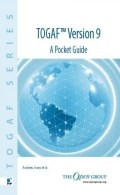
Enterprise Architecture Blueprint: Navigating the Togaf Version 9 Framework for Strategic Business Transformation This guide delves into the foundational principles and practical application of enterprise architecture, specifically as defined by The Open Group Architecture Framework (Togaf) Version 9. It serves as an indispensable resource for professionals seeking to understand, implement, and leverage enterprise architecture to drive business success. Understanding the Core: At its heart, enterprise architecture is a strategic discipline that defines the structure and operation of an organization. It provides a holistic view, connecting business strategy with IT execution, ensuring that technology investments are aligned with business objectives and deliver maximum value. Togaf Version 9, a widely adopted industry standard, offers a robust and comprehensive framework for developing and managing enterprise architectures. Key Pillars of Togaf Version 9: This exploration will dissect the essential components of Togaf Version 9, offering clarity and practical insights into each: The Architecture Development Method (ADM): This forms the iterative lifecycle of enterprise architecture development. We will examine each phase in detail, from the Preliminary Phase (scoping and establishing the architecture capability) through Requirements Management, and the subsequent Architecture Vision, Business Architecture, Information Systems Architectures (Data and Application), Technology Architecture, Opportunities and Solutions, Migration Planning, and finally, Implementation Governance and Architecture Change Management. The cyclical nature of the ADM will be emphasized, highlighting its adaptability to evolving business needs. The Togaf Reference Models: Understanding the generic building blocks provided by Togaf is crucial. This includes the Technical Reference Model (TRM), which describes generic information processing resources and their interrelationships, and the Integrated Information Infrastructure Reference Model (IIIRM), which provides a framework for describing an integrated information infrastructure. These models offer a common vocabulary and a starting point for developing specific enterprise architectures. The Enterprise Continuum: This concept illustrates how architecture assets can be classified and positioned along a spectrum from generic to organization-specific. We will explore the different levels within the Enterprise Continuum – Foundation Architectures, Common Systems Architectures, Industry Architectures, and Organization-Specific Architectures – and how they enable reuse and consistency across an organization and its industry. Architecture Content Framework: This framework defines the deliverables and artifacts produced during the ADM process. Understanding these artifacts, such as architecture principles, business scenarios, capability maps, organization maps, data models, application models, technology standards, and gaps, is essential for effective architecture documentation and communication. Enterprise Architecture Tools and Techniques: The guide will also touch upon the various tools and techniques that support the application of Togaf. This can include modeling languages like ArchiMate, business capability modeling, stakeholder analysis, gap analysis, and risk assessment. The importance of selecting and utilizing appropriate tools to facilitate the architecture development process will be discussed. Strategic Alignment and Business Value: The ultimate goal of enterprise architecture, as facilitated by Togaf, is to drive strategic alignment and deliver tangible business value. This involves: Bridging the Gap: Effectively connecting business strategy with IT strategy. Driving Innovation: Identifying opportunities for leveraging technology to achieve competitive advantage. Improving Agility and Responsiveness: Enabling organizations to adapt quickly to market changes and new business requirements. Optimizing IT Investments: Ensuring that technology expenditures are justified, aligned with business needs, and deliver return on investment. Reducing Complexity and Risk: Creating a clear and understandable view of the enterprise, leading to better decision-making and reduced IT-related risks. Enhancing Collaboration: Fostering a common understanding and language among business stakeholders, IT professionals, and other key parties. Practical Application and Implementation: This resource is designed to move beyond theoretical concepts and provide practical guidance for implementing Togaf. It will address common challenges and offer strategies for overcoming them, such as: Establishing an Architecture Practice: Guidance on setting up and operationalizing an enterprise architecture capability within an organization. Stakeholder Engagement: Strategies for effectively communicating the value of enterprise architecture and gaining buy-in from various stakeholders. Tailoring the Framework: Understanding how to adapt Togaf to the specific needs and context of an organization. Measuring Success: Identifying key metrics and indicators to assess the effectiveness and impact of enterprise architecture initiatives. Who Should Read This Guide: This guide is intended for a broad audience of professionals involved in strategic planning, IT management, business analysis, project management, and enterprise transformation. This includes: Enterprise Architects Solution Architects Business Architects IT Strategists Business Analysts Project Managers IT Managers and Directors CIOs and CTOs Business Leaders and Decision-Makers By understanding and applying the principles and practices outlined in Togaf Version 9, organizations can build a more robust, agile, and strategically aligned enterprise, ready to navigate the complexities of the modern business landscape and achieve their most ambitious goals.